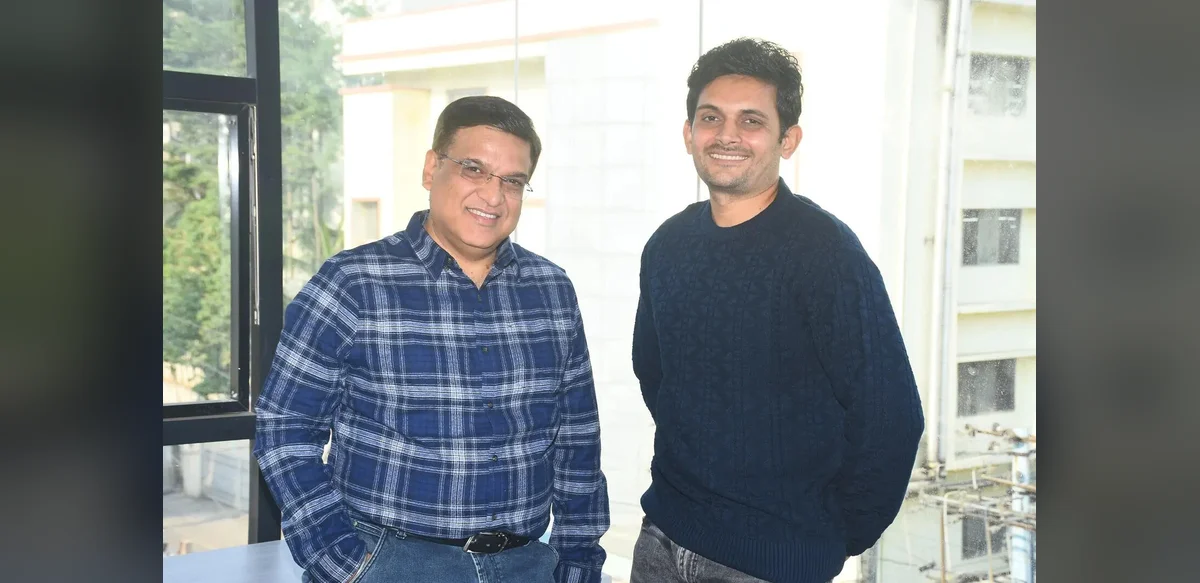
Fabric development currently relies heavily on trial-and-error methods, often requiring up to 20 attempts to achieve a desired result, according to Narahari Payala, cofounder and CEO of STCH, a platform for contract development and manufacturing. The company collaborates with brands such as Shein, Crocodile, and Being Human to design, develop, and procure fabrics that align with international trends. STCH has obtained $7 million in funding, led by Omnivore and including investments from Kae Capital and WVC, to introduce reliability into an industry that is often disjointed and reliant on manual processes. The firm employs artificial intelligence to examine worldwide fashion patterns, analyze fabric structures via images and data, and replicate comparable materials using its research and production networks in India and other Asian regions. It also aligns supply with demand to accelerate manufacturing timelines. ‘We are creating a framework that links inputs like fibers, chemicals, and procedures to outcomes such as softness, strength, or feel. Eventually, specifying a desired fabric should yield the precise formula,’ Payala explained to ET. Established by former Zetwerk leaders Payala and Aseem Chitkara, STCH has secured orders exceeding $15 million from clients in the UK, Europe, the US, and India. ‘Much of the AI progress in fashion targets consumer-facing aspects like design, recommendations, and customization. However, the greatest potential is in the supply chain, particularly in Asia-based manufacturing. Fabric represents a vital but under-optimized component,’ Payala noted. STCH is developing textile options that substitute petroleum-derived synthetics with eco-friendly or recycled alternatives while maintaining quality. ‘For example, we have created materials that mimic polyester but use cotton. The aim is to eliminate compromises between environmental responsibility and functionality,’ Payala said. He observed that client needs vary by sector. ‘Quick-turnaround fashion companies prioritize speed, requesting recreations of 100 designs for rapid release. Established labels emphasize quality and alignment with their identity,’ he added. The firm is constructing a ‘fabric GPT,’ an AI tool trained on extensive collections of textile formulas and results. ‘This can significantly shorten research timelines, reducing iterations to reach optimal fabrics more quickly and affordably,’ Payala stated. He described the larger vision as serving as a comprehensive supply-side collaborator for fashion enterprises. ‘Consumer demands are shifting toward shorter runs and greater diversity. Production systems must adapt accordingly. We intend to manage everything from spotting trends to final shipment, allowing brands to concentrate on customer engagement,’ he said. Omnivore’s managing partner, Mark Kahn, praised the founders’ blend of expertise in materials and logistics. ‘India possesses the resources, facilities, and now, through STCH, an AI-driven system to emerge as a worldwide hub for eco-conscious textile advancements.’ STCH intends to allocate the new funds toward enhancing its AI capabilities, establishing a dedicated fabric research facility, broadening collaborations with mills, and expanding into markets like the US and Spain.