


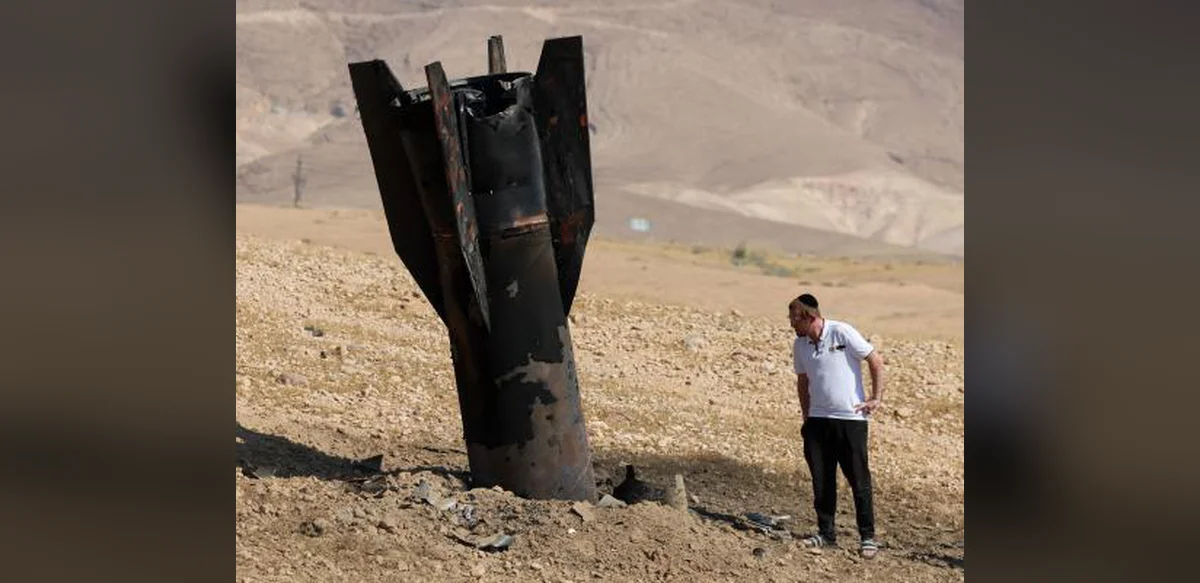
Yemen announced its entry into the conflict for the first time since the April 8 ceasefire. Houthi leaders launched missiles toward Jaffa in Israel and declared that vessels linked to Israel would be barred from the Red Sea, a move likely to unsettle global shipping. Iranian officials had previously indicated that Houthi leaders were weighing a renewed blockade of the Bab al-Mandab strait for Israeli-linked traffic.
In a statement, Yemen’s Houthi leadership, also known as Ansar Allah, declared a total ban on Israeli maritime navigation in the Red Sea. Any vessel movement by the adversary from the time of the announcement would be considered a military target. The group added that it would respond to escalation in kind and that its operations would align more closely with events in the axis of resistance.
The Houthis had previously avoided direct involvement in the US-Iran conflict, focusing instead on talks with Saudi Arabia regarding Yemeni reunification. Aliakbar Velayati, adviser to Iran’s supreme leader, had warned that security arrangements at the Bab al-Mandab strait should not lead adversaries to miscalculate, noting that resistance forces could close both key waterways.
Iranian officials confirmed that Israeli strikes hit the Karun Petrochemical Company in the Petrochemical Special Economic Zone. No casualties were reported, though damage assessments continue. Foreign Minister Abbas Araghchi remained in contact overnight with counterparts including the UK’s Yvette Cooper, Turkey’s Hakan Fidan and Saudi Arabia’s foreign minister.
Iranian state media reported that Tehran’s Mehrabad airport has suspended all flights until further notice. Israel and Iran continued exchanging fire on Monday, with a missile reportedly aimed at a Saudi area hosting a US military base. The escalation marks the most serious challenge to the two-month-old ceasefire and risks renewed regional war.
Yemen’s Iran-aligned Houthis claimed responsibility for an attack on Israel and warned that vessels affiliated with Israel would again face targeting in the Red Sea. The statement by Brig Gen Yahya Saree was aired on the group’s al-Masirah channel. The renewed threat places the Red Sea, Gulf of Aden and Bab el-Mandeb Strait at risk once more.
During the earlier Israel-Hamas war, Houthi attacks killed at least nine mariners and sank four ships in over 100 strikes, disrupting roughly one trillion dollars in annual trade through the waterway. The EU’s foreign policy chief urged restraint, stating that the region requires negotiations rather than further escalation.
Israel carried out airstrikes early Monday on central and western Iran in response to missile launches from Tehran. Iranian state television reported explosions in Isfahan, Karaj, Tabriz and Tehran. Iran closed airspace around Imam Khomeini International Airport following the strikes. Later, explosions were heard over Jerusalem as Israel intercepted a new wave of Iranian missiles. Iran’s Revolutionary Guards stated that Israel had used air-launched ballistic missiles in its operation.

