


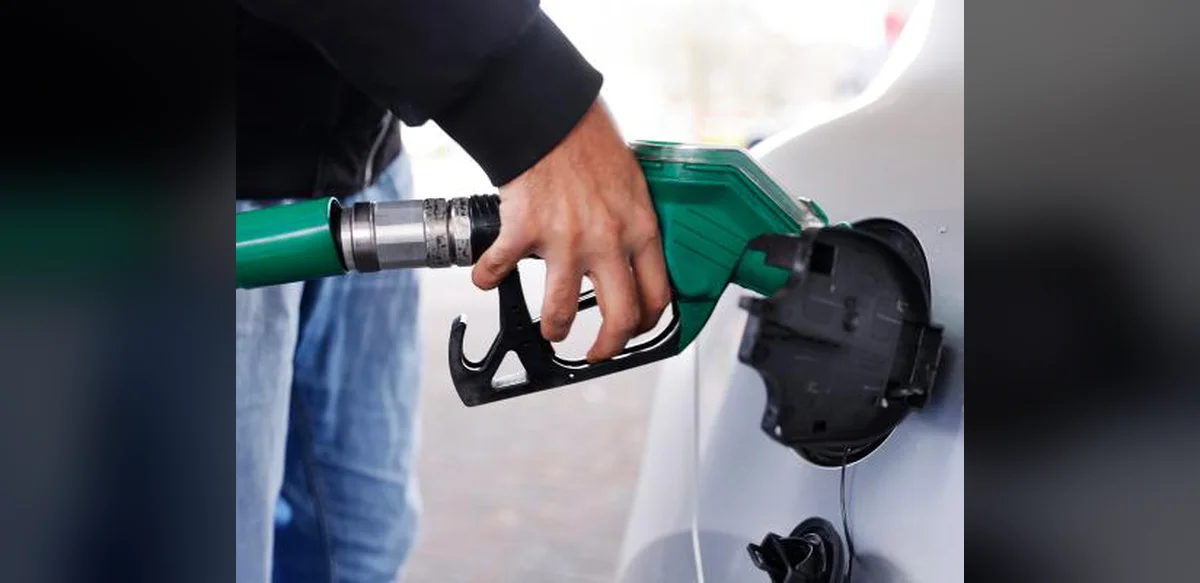
Last month, British retail sales volumes grew by 0.7%, exceeding expectations of a 0.1% rise, according to the Office for National Statistics (ONS). This surge was largely driven by a 6.1% increase in fuel sales as drivers rushed to fill their tanks amid escalating petrol and diesel prices triggered by the Iran conflict. The value of fuel sales jumped 11.6%, marking the largest monthly gain since November 2021.
Susannah Streeter, chief investment strategist at Wealth Club, noted that the sharp price increases led to widespread stockpiling at gas stations, which significantly boosted overall retail figures.
Prior to the U.S.-Israeli strikes on Iran in late February, oil prices stood at $72.50 per barrel. The closure of the Strait of Hormuz, a vital route for about 20% of global oil and liquefied natural gas, drove futures prices to $119.50 per barrel in early March and physical cargoes to nearly $150 per barrel. By Friday, Brent crude had fallen 1.3% to $106 per barrel. Earlier this week, Donald Trump extended a ceasefire with Iran indefinitely, though efforts to resolve the conflict and reopen the strait have not succeeded.
Excluding fuel, retail sales rose 0.2% from the previous month, recovering from a revised 0.6% drop in February. The ONS attributed some of the growth to improved weather, benefiting clothing retailers with a 1.2% sales increase and department stores with a 1.1% rise. However, supermarket and food store sales declined by 0.8%.
Deann Evans, managing director for Europe at Shopify, observed that the uptick indicates consumers are still spending on pertinent items despite ongoing confidence concerns. Ellie Henderson, an economist at Investec, suggested that people reduced savings to cover higher fuel costs rather than cutting other expenditures.
Despite the March gains, the war’s economic effects are eroding consumer sentiment. GfK’s confidence index dropped four points to -25 in April, the steepest decline in a year and the lowest since 2023. The S&P Global purchasing managers’ index reported the sharpest cost increases for UK service firms since 1996 from March to April. Additionally, over a quarter of businesses surveyed by the ONS anticipate raising prices next month, the highest proportion since January 2023.
Jacqueline Windsor, head of retail at PwC UK, warned that rising costs for essentials like food, fuel, and utilities could force cuts in non-essential spending, signaling tougher times ahead for retailers in 2026.
The ONS also reported that fuel duty collections in March were the lowest since July 2023, indicating reduced vehicle usage to save on fuel. This contrasts with higher forecourt sales volumes and values, as duty is collected at refineries, suggesting retailers held lower stocks last month while demand spiked.

