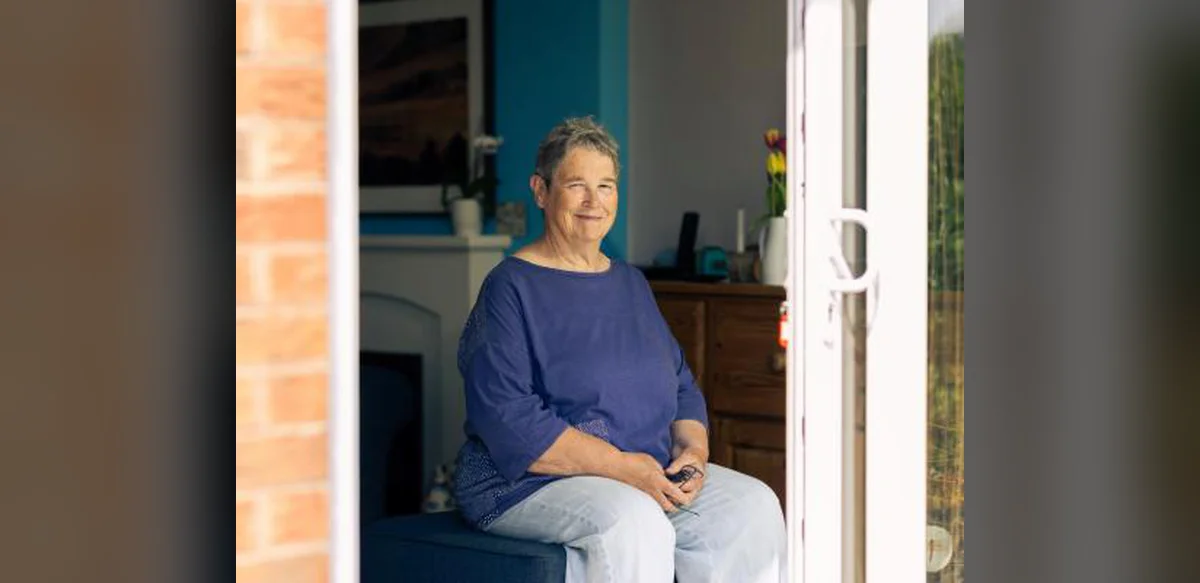
When Maxine Linnell, 78, a retired psychotherapist in Leicestershire, received a dementia diagnosis four years ago, reactions from others proved harder than the news itself. Many quickly altered their views, focusing only on the condition rather than the individual, including some professionals who assumed total devastation ahead. Similar assumptions affect others too. Julie Hayden, a nurse and social worker from Yorkshire, was diagnosed nine years ago at age 54 after earlier symptoms were dismissed as depression or menopause. Doctors linked dementia mainly to older age and overlooked young onset. At diagnosis, she was told nothing could be done and to arrange end-of-life matters. George Rook, a former teacher in Shropshire, received comparable advice in 2014 at age 63: avoid risks, do not tire, and prepare. He found the guidance discouraging and unhelpful for staying social, active, or involved. Campaigner Kate Swaffer describes this as prescribed disengagement, often paired with leaflets but little real support. After diagnosis, Swaffer and Hayden both lost jobs. Linnell, Hayden, Rook, and Swaffer now work as dementia activists, opposing stereotypes and inadequate post-diagnosis help. They see a mix of ageism and ableism fueling fear. Rather than withdraw, they increase involvement by creating groups such as the Young Dementia Network and Dementia Alliance International, or joining efforts like the Dementia Engagement and Empowerment Project. They contribute to research including Living Well With Dementia, and Swaffer pursues a PhD. Dementia ranks as a top feared condition, with half of UK adults ranking it highest among health issues. Linnell observed how others interrupt those struggling for words by claiming similar forgetfulness, revealing widespread anxiety and shame around memory lapses. Limited portrayals of people living with dementia worsen this, as coverage often centers on carer burdens, cure searches, or prevention tips that imply blame. Media depictions usually show advanced stages and stereotypes, though some recent stories offer nuance. Activists criticized a 2024 Alzheimer’s Society advertisement for its negative messaging, which a preview group warned could harm newly diagnosed individuals. Linnell launched a petition urging more hopeful and accurate representations of life with dementia.