


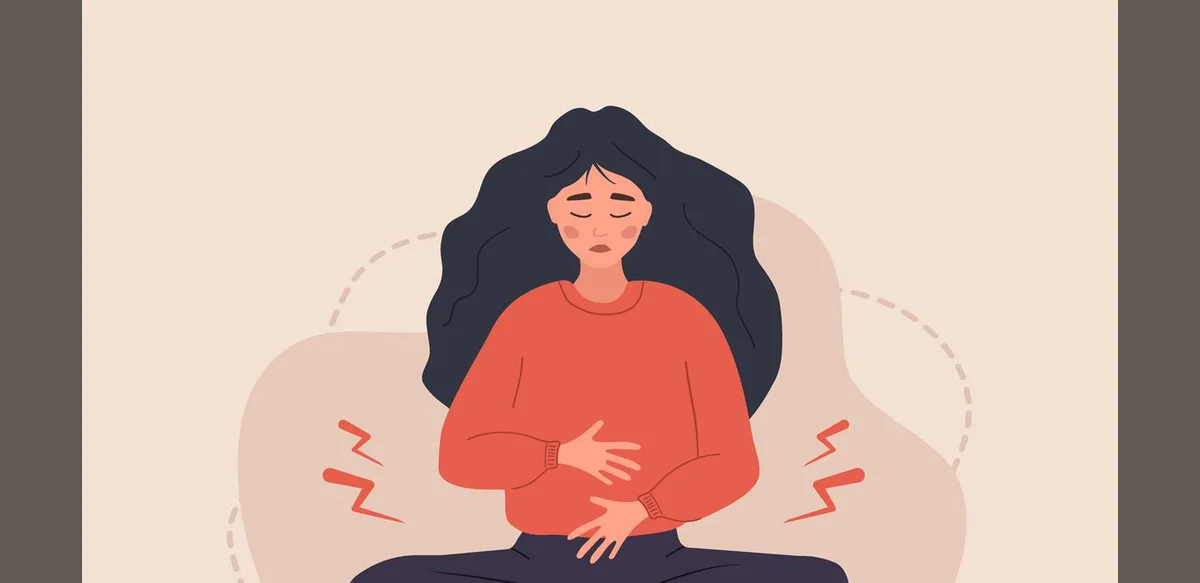
School absenteeism during menstruation remains a significant issue for girls throughout Odisha, where nearly 74 percent miss between one and eight days of classes each cycle, based on a recent menstrual health study released in the state.
The research pointed to pain and discomfort as the main causes of missed classes. Additional factors include insufficient privacy, poor facilities, and ongoing social stigma around menstruation.
Conducted from April 28 to May 25 across 14 districts for schools and eight for public sites, the study revealed ongoing shortcomings in menstrual hygiene management, sanitation infrastructure, awareness, and institutional backing.
It involved 177 respondents from 121 schools and 56 public institutions in rural and urban Odisha, carried out by groups including UNICEF, Aaina, WaterAid, AIIMS Bhubaneswar, and IIT Bhubaneswar.
Although 94 percent of schools had separate girls’ toilets, the absence of basic menstrual hygiene resources and limited water and soap access posed major barriers. About 56 percent of schools lacked proper menstrual waste disposal or used unsafe methods, raising environmental and health risks.
Only 27 percent of schools had a nurse or health worker, while 44 percent had first aid kits, highlighting another gap in support.
Over the past three years, adolescents have audited public spaces in Bhubaneswar using a framework from WRI India, drawing input from more than 800 young people. Key problems include a shortage of inclusive, period-friendly toilets. The Safe, Vibrant, and Healthy Public Spaces project aims to model such facilities at three busy Bhubaneswar locations. Led by adolescent champions from Aaina, it seeks to help city agencies promote accessible sanitation for women, girls, and persons with disabilities, ensuring dignity and comfort.

