


For years, healthcare advancement in India focused mainly on expanding hospitals, medical colleges and public facilities. Although these elements stay essential, the next stage of reform calls for a wider, coordinated strategy connecting infrastructure to access, staff skills, testing services, technology and lasting results. Tamil Nadu illustrates this approach.
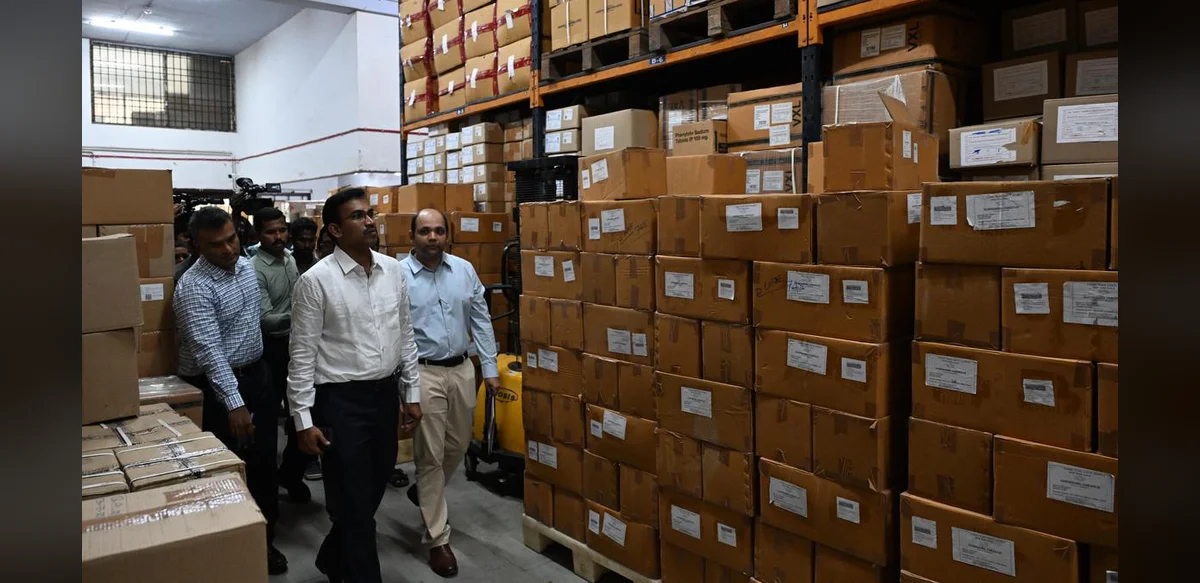
The state’s healthcare advantages developed gradually through long-term attention to primary care, maternal and child services, medical training, disease control, community outreach and local delivery systems. The Tamil Nadu Medical Services Corporation, founded in 1994, improved the purchase, storage and supply of medicines to government centers. By increasing stock availability and cutting waste, it became a national example for public medicine management. This change demonstrated that progress involves building systems for reliable and responsible care, not only new buildings.
Tamil Nadu has formed a developed network that joins government facilities with private cooperation. Its 8,700 sub-health centers spread across districts show that balanced investment strengthens systems more than concentration in cities alone.
A major strength lies in early testing within primary care. Community programs and screenings now serve large numbers of people in both towns and villages. For a vast and varied nation, solid primary systems with good diagnostics matter greatly. Early detection eases demand on higher-level hospitals and lowers overall treatment expenses. Decentralized delivery also helps. Spending of about 360 crore rupees on district hospitals and local lab networks narrows gaps in access between regions.
Technology supports further improvement. Artificial intelligence, electronic records, remote consultations and distant testing can raise efficiency and reach remote populations. Tamil Nadu’s work on digital health platforms and data-based management marks a useful step.
Workforce development remains equally vital. Tamil Nadu draws patients from other states due to its public institutes and colleges. Facilities need matching efforts to train staff in testing, digital tools, AI systems and team-based care to function effectively. The state can also grow as a site for medical device production by using its base in auto parts, electronics and engineering. Lowering reliance on imports would strengthen supply.
Public and private cooperation helps tackle wider issues. Government systems offer scale while private providers add innovation and specialized services. Even advanced systems face pressures from high patient numbers, uneven staffing and operational limits.
The key takeaway from Tamil Nadu is not exact copying but applying core ideas of steady funding, local delivery, staff training and technology use. These principles form the path forward for the country.

