


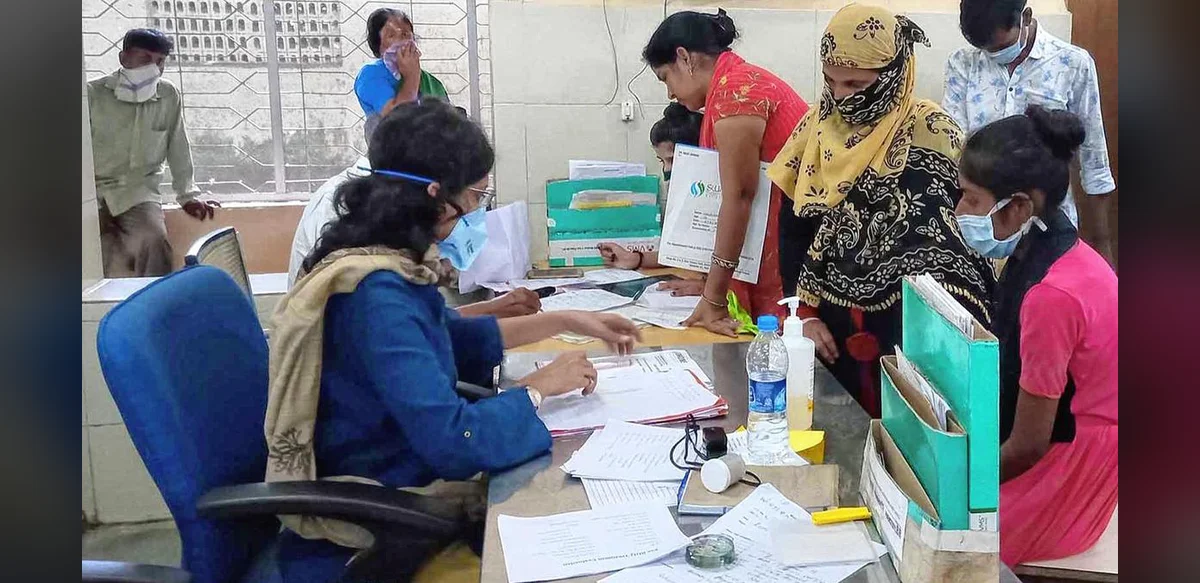
Divya rises at 4 a.m. Her husband departs early for a garment factory in Kurla, requiring meals prepared beforehand. Household tasks including cleaning, water collection and bathing follow before her children wake. She readies them for school by 7:30 a.m.
Divya, a Govandi resident, began TB treatment at Shatabdi Hospital after months of delayed diagnosis. Previously treated in 2010, recurring neck lumps were initially dismissed as dandruff. Further missteps led to multidrug-resistant TB after improper medication.
The India TB Report 2023 notes women often face two-to-three-month diagnostic delays from stigma fears, with 40 percent reporting discrimination such as job loss. Research from Bengaluru DOTS centres shows TB symptoms frequently misread as work-related ailments.
Divya recounts fainting spells and severe drug side effects that damaged her teeth. She later took work as a school bus attendant to cover dental costs. India’s free TB programme excludes many out-of-pocket expenses.
Three kilometres away, Rehana Shaikh leaves Mankhurd at 6:30 a.m. for domestic work in Chembur. Treated for drug-sensitive TB at Shatabdi Hospital, she must visit clinics multiple times weekly, losing half-days and wages. Medication causes dizziness, and medicine shortages add further disruption.
National Time Use Survey 2024 data show women spend 305 minutes daily on unpaid domestic work versus 88 minutes for men. A PLOS study found 30-61 percent of TB patients incur catastrophic costs, mostly from lost income rather than medicines.
Amita travels long distances from Kanjurmarg to Sewri TB Hospital. The homemaker in her late thirties has extrapulmonary TB.

