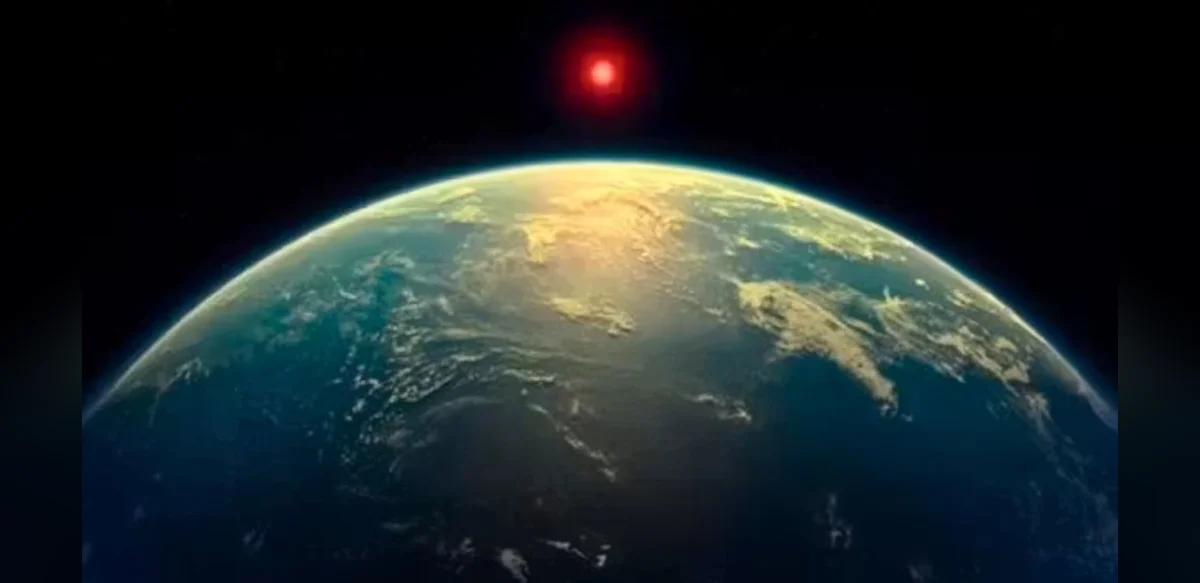
Recent announcements have suggested we may be close to finding alien life. In 2025, a statement claimed the strongest evidence yet of possible extraterrestrial life on exoplanet K2-18b. NASA officials also described a Mars rock sample as the nearest approach yet to detecting life on the red planet. These reports sparked public interest but left open the question of what most scientists believe. Systematic surveys of expert opinion are uncommon. After the 2025 announcements, researchers polled hundreds of astrobiologists worldwide. For K2-18b, just 6.6 percent thought extraterrestrial life had probably been detected, while nearly two-thirds disagreed and 28 percent stayed neutral. In the Mars case, 15.1 percent agreed, 44.6 percent disagreed, and 40.3 percent were neutral. Strong disagreement dropped from 35.1 percent to 11.1 percent between the two cases. The shift reflected movement toward more tentative views rather than outright acceptance. Differences in evidence type help explain the change: one relied on distant atmospheric readings, the other on a rock that could be examined closely. Experts also noted that lifelike features can arise without biology. Scientific opinion rarely splits cleanly into yes or no. Large neutral responses often signal inconclusive evidence or the need for more data. Treating views as simply for or against overlooks these nuances. The findings highlight how expert communities respond to new claims in measured ways.