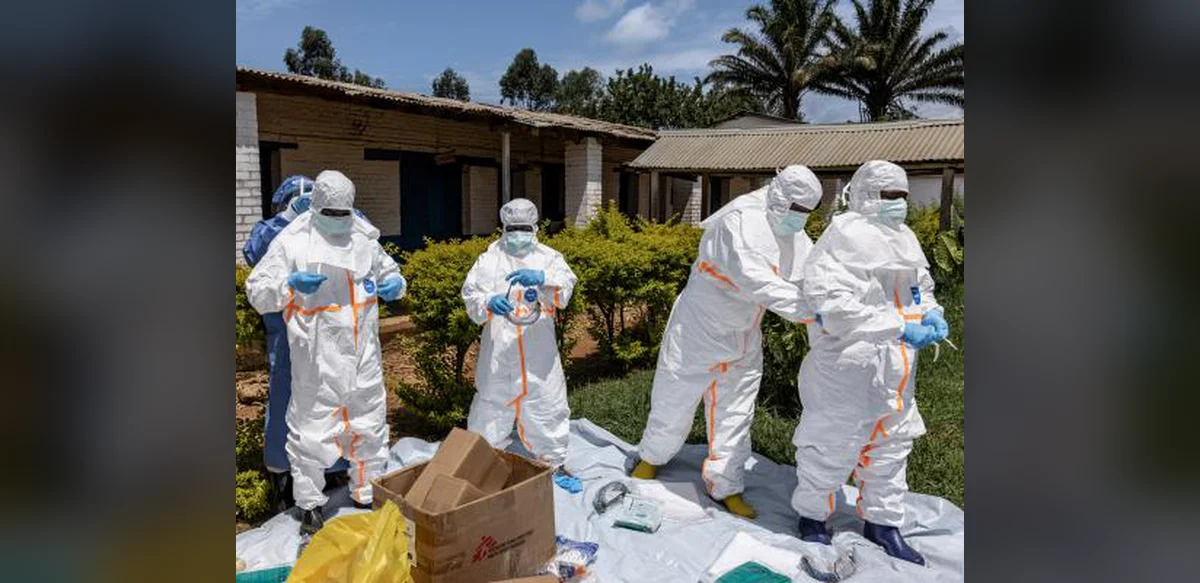
Aid organizations and medical personnel in the Democratic Republic of Congo have delivered blunt alerts and appealed for unified international efforts. The country confronts another Ebola outbreak, raising alarms that its strained medical network may fail to manage a situation experts view as larger than reported figures. Rose Tchwenko, Mercy Corps DRC director, said Thursday the pace of spread is highly concerning and broader regional plus global assistance is essential. Alima field coordinator Hama Amado described accelerating transmission across zones and stressed that control has not been achieved. One week after the seventeenth Ebola declaration, a disease with fatality rates ranging 25 to 90 percent passed through bodily fluids or tainted objects and resulting in organ harm, vessel damage and bleeding, authorities logged nearly 750 suspected infections and 177 suspected fatalities since the first death occurred in Bunia on 24 April. Infection reached others at a funeral in Mongbwalu. Treatment sites filled rapidly. Médecins Sans Frontières emergency manager Trish Newport noted teams found no isolation space after contacting area facilities over the weekend. The accounts illustrate current intensity. Obstacles include absence of licensed medicines or vaccines, isolated insecure terrain, and funeral practices that clash with containment rules, all amid reduced foreign aid partly from US budget cuts. An ICRC report from earlier this year indicated more than half the surveyed clinics in North and South Kivu provinces suffered damage while nearly half recorded major staff exits since January 2025 owing to fighting and instability. Two events this week underscored complications. On Tuesday militants killed at least 17 villagers near Mambasa. On Thursday residents burned a Rwampara treatment site after officials withheld a body for customary rites. Provincial measures now forbid wakes, require specialist burials, bar non-medical corpse transport and cap gatherings at fifty people. Everyday physical greetings hinder broader contact avoidance. ActionAid surveys across Bunia, Nizi and Nyankunde revealed many schools with incomplete attendance records amid undetected spread.