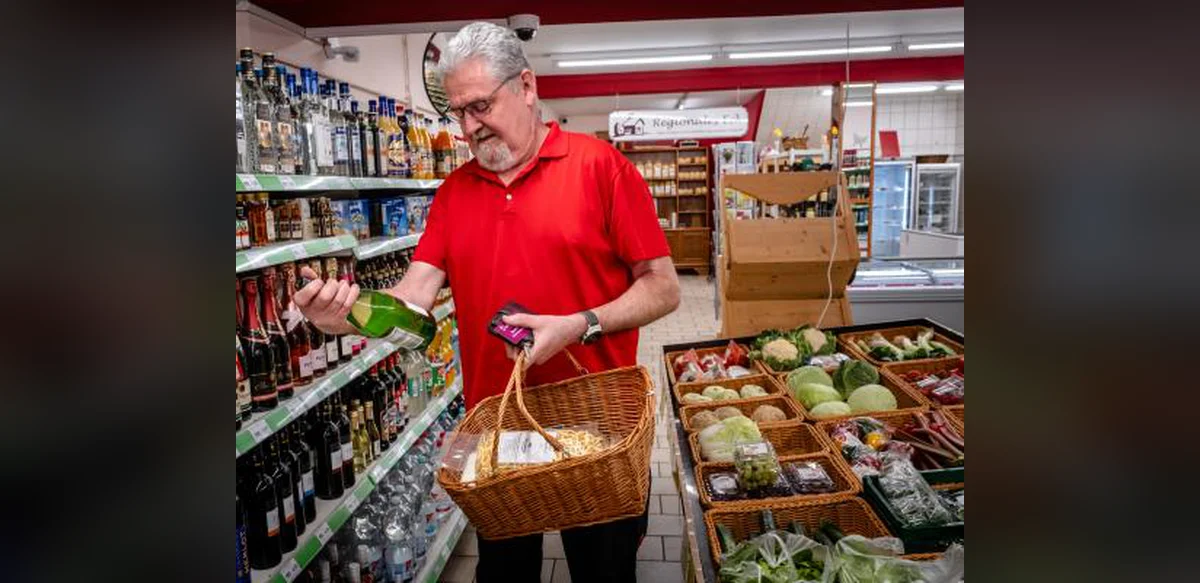
Once every German village featured its own family-run Tante Emma Laden, a community hub where locals purchased groceries affordably and chatted with neighbors. In recent years this network of small businesses across Europe’s largest economy has faced intense pressure from staffing shortages, supermarket competition and rising inflation worsened by the Ukraine conflict. Worried that the gradual closure of these stores is increasing rural discontent and boosting support for political extremes, several regional governments have introduced modern solutions. In Rhineland-Palatinate, where the far-right Alternative für Deutschland placed third with nearly 20 percent in March state elections, a record for western Germany, officials are addressing the roots of such support in rural areas. A pilot program called hybrid village stores retrofits existing shops so residents over 18 can shop independently outside regular hours using an electronic fob or card for entry, self-service and payment. Lower labor costs and extended availability help the businesses remain profitable. Irmtraut Ehtechame, 68, manages the Dorfladen in Seibersbach, a village of 1,200 in the Hunsrück hills, which adopted the hybrid model in December. She noted multiple external pressures had endangered the store. “I had written a cry for help because we kept slipping into the red, between energy price hikes from the Ukraine war and the minimum wage increase,” she said. With her husband Hamid, she stocks staples from a major supplier alongside local sausages, mustards, cheeses and Moselle wines. The nearest large supermarket lies about 10 kilometers away. Even with security cameras, allowing unstaffed access required trust, yet no thefts or vandalism occurred. Retired mechanic Frank Wilhelm, 66, found the system simple after decades as a customer. He values the flexibility to shop early or late and appreciates the community anchor the store provides. Wilhelm and fellow “robust retirees” deliver goods to elderly neighbors and gather weekly at the shop after village maintenance. Volker Bulitta, 69, who received the initial appeal, directs a state advisory program supporting rural businesses and has guided the hybrid initiative. Stores in remote areas without online delivery options would not survive without aid, though the one-time renovation cost of €30,000 to €50,000 yields strong returns. The approach preserves the social character of the shops rather than fully automating them. Rhineland-Palatinate has supported four hybrid stores since early 2025, with 40 more planned after reports showed higher customer satisfaction and profit gains of up to 20 percent. Several other states including Bavaria are exploring similar measures.