

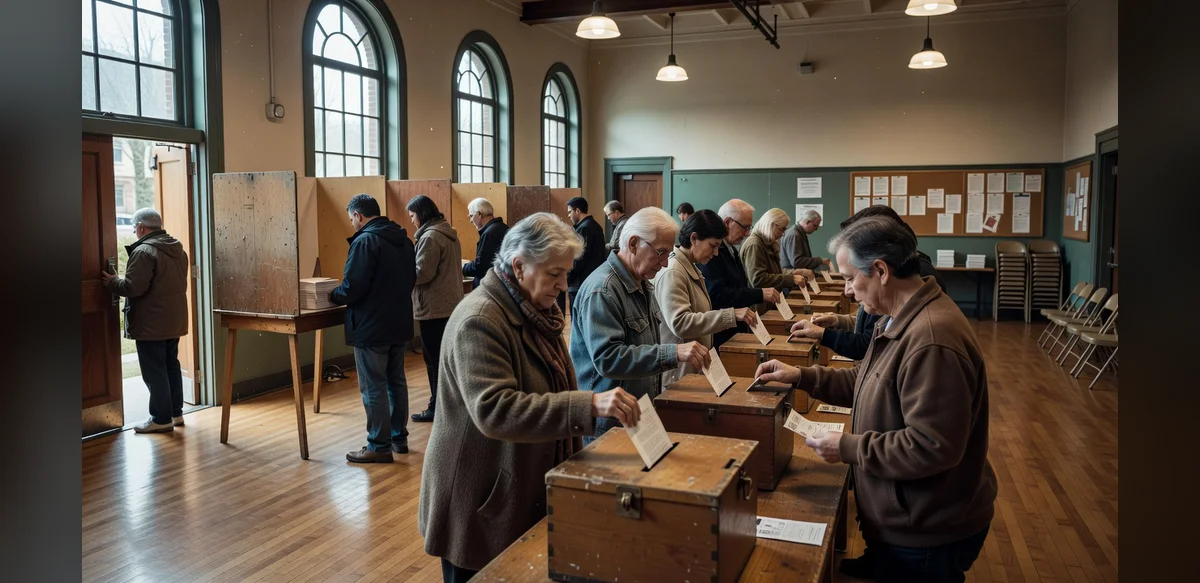
Local elections often receive less attention than national contests, yet they shape the daily lives of residents in profound ways. In Shelby County, the officials chosen on Thursday now confront a series of critical choices that will influence public services, infrastructure projects, and community resources for years ahead.
The responsibilities of county government extend across education funding, public safety measures, transportation planning, and health initiatives. Each decision carries direct consequences for families, businesses, and neighborhoods throughout the region. Voters who participated in the recent balloting helped determine who will guide these priorities.
Many residents may not realize how closely local policies affect routine matters such as road maintenance, library access, and emergency response times. When county leaders allocate budgets or approve development plans, the outcomes determine the quality of life for everyone living in the area. This close connection makes participation in local races especially meaningful.
Historical patterns show that turnout in municipal and county elections tends to lag behind statewide or federal votes. Lower participation can lead to outcomes that do not fully reflect the broader community perspective. Encouraging wider involvement helps ensure that elected bodies represent a true cross-section of the population.
The challenges facing Shelby County include balancing fiscal constraints with growing demands for services. Leaders must weigh competing needs while maintaining transparency and accountability to taxpayers. The individuals selected through the recent process will navigate these trade-offs with significant stakes involved.
Community organizations and civic groups have long stressed the value of informed voting at every level. Workshops and informational sessions aim to clarify the roles of different offices and the impact of specific policy choices. Such efforts seek to bridge gaps in understanding that sometimes discourage participation.
Economic development decisions also fall under local authority. County officials influence zoning regulations, incentives for new enterprises, and support for existing industries. These actions can affect job creation and long-term prosperity across multiple municipalities.
Public health and social services represent another major area of county oversight. Programs addressing mental health, substance abuse prevention, and family support require careful administration and adequate resources. The elected leadership will set directions for these essential functions.
Environmental concerns, including water quality and green space preservation, increasingly appear on local agendas. County government plays a key role in enforcing regulations and planning sustainable growth that protects natural assets for future generations.
The principle that every vote counts gains particular relevance in closely contested local races. Small margins can shift control of commissions or councils, altering policy trajectories on issues that touch residents directly. This reality underscores the importance of consistent civic engagement.
Looking forward, the new officeholders will need to collaborate across political lines to address complex problems. Effective governance at the county level often depends on building consensus and maintaining open communication with the public.
Residents retain the ability to stay involved through public meetings, comment periods, and ongoing dialogue with representatives. Continued attention after election day helps hold leaders accountable and ensures that priorities remain aligned with community needs.
In summary, the recent Shelby County elections highlight how local government serves as the foundation for many aspects of daily life. The officials now in place face weighty responsibilities, and the choices they make will resonate throughout the region. Active participation by citizens remains essential to shaping positive outcomes.


