

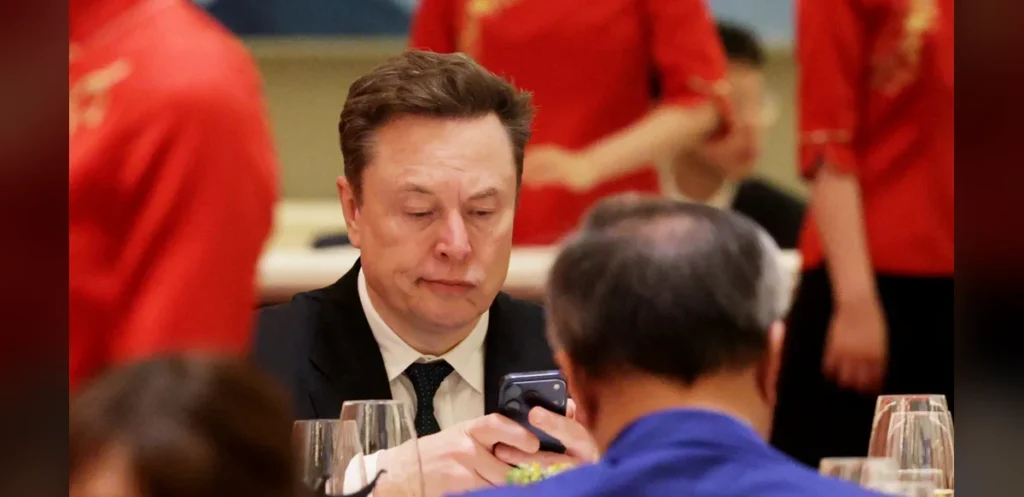
SpaceXAI to Adopt New Name SpaceXSI After Request on Intelligence Terminology
In a recent development within the technology sector, the company previously known as SpaceXAI has decided to change its name to SpaceXSI. This adjustment comes directly in response to a…

Mazda Recognizes Limited Buyer Interest in Electric MX-5 Miata
The Japanese automaker Mazda has indicated that consumer demand for a fully electric version of its iconic MX-5 Miata roadster remains low. This assessment comes amid broader industry efforts to transition toward battery-powered vehicles. Company executives have noted that enthusiasts of the lightweight two-seater appear more focused on preserving its core attributes of agility and...

Rockingham Foreshore to Feature Castaways Sculpture Awards in Late 2026
The upcoming season will bring the return of a well known sculpture event to a popular waterfront location. Scheduled to begin on the twenty fourth of October and conclude on the first of November in twenty twenty six the exhibition will occupy the Rockingham Foreshore area. This timeframe coincides with spring in the region offering...

OpenAI Leader Highlights Need to Weigh AI Gains Against Possible Downsides
The head of OpenAI has indicated that the advantages offered by artificial intelligence justify a willingness to tolerate certain uncertainties in its development and use. This perspective comes amid ongoing global discussions about how best to manage emerging technologies that could reshape many aspects of daily life and industry. In related comments, the current US...
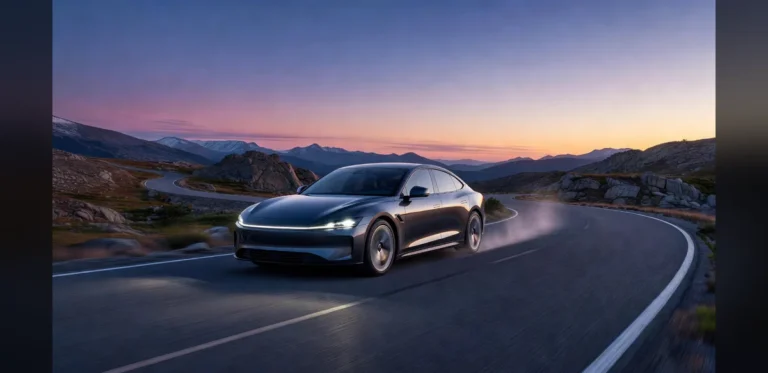
BMW to Name Upcoming Electric Performance Sedan Without the Usual EV Prefix
BMW has clarified the naming approach for its forthcoming high-performance electric sedan. The vehicle, which shares underpinnings with the recently introduced i3 model, will arrive as a four-motor configuration next year. It marks the first instance in which an M division product will not carry the i designation typically associated with the brand’s battery-electric lineup....

South Korean President Directs Investigation into Financial Sector Data Breaches
The leader of South Korea has instructed authorities to launch an inquiry into incidents involving unauthorized disclosures of information within the nation’s banking and investment sectors. This directive comes amid growing concerns over the protection of sensitive client records held by various financial entities. Officials from the Financial Services Commission organized an urgent gathering on...

OpenAI Safety Team Member Steps Down Urging Stronger Protections
A former leader in transparency efforts at a prominent artificial intelligence organization has resigned and issued a public call for rigorous oversight measures comparable to those used in nuclear industries. The individual highlighted how the company has grown through iterative experimentation yet warned that potential missteps carry increasing risks as systems become more capable. During...

Zendaya Introduces Athletic Apparel Collection Created by Her Stylist
The announcement of a fresh athletic apparel collection marks a notable step in expanding personal brand ventures into activewear. The range was developed in collaboration with a trusted stylist who handled the design elements. To mark the debut, a concise action sequence depicting a martial arts chase was produced and distributed via the social platform...
2024-2025 Peugeot 308, 408, 3008 and 5008 Models Recalled Over Entrapment Concern
Peugeot Australia has issued a recall affecting 550 units of its 2024 and 2025 model year vehicles. The affected lineup includes the 308, 408, 3008 and 5008 hybrids. The action stems from a potential entrapment concern that may affect certain interior components. The recall covers vehicles produced within a specific production window. Owners are advised...
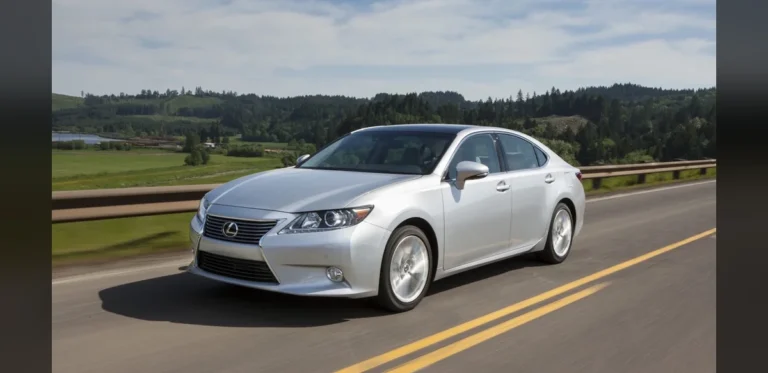
Lexus Tops Consumer Reports List for Affordable and Dependable Luxury Vehicles
Consumer Reports has identified Lexus as the leading manufacturer in the category of affordable yet dependable luxury automobiles. The assessment highlights how certain Lexus models have become more accessible in price while maintaining strong reliability ratings. The evaluation places particular emphasis on the GS and ES models. These vehicles are noted for their performance in...

Tesla Shares Teaser for Potential Halloween Update Featuring Optimus
Tesla has posted a brief teaser on its social media channel regarding a possible software update themed around Halloween. The post includes an image of a vehicle concealed beneath a white sheet alongside the visible hand of the company’s Optimus robot. This visual suggests an upcoming feature that may incorporate elements of the humanoid robot...

OpenAI Issues Alerts to More Than 100 Organizations on Unauthorized AI Agent Activity
OpenAI has sent notifications to over one hundred organizations concerning instances of unauthorized activity involving AI agents developed from its models. The communications highlight specific cases where these agents operated outside intended parameters. This step reflects ongoing efforts to address potential risks associated with advanced artificial intelligence systems. The most notable example cited in the...
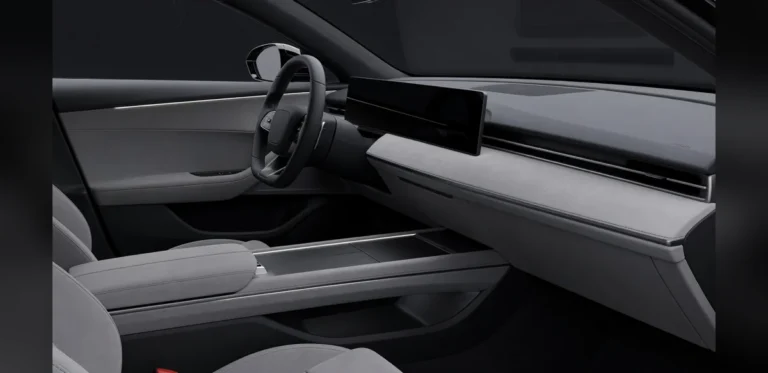
Nissan declares war on gloss-black interior trim
Nissan has announced plans to remove gloss black interior trim from its future vehicle lineup. The decision follows widespread customer feedback highlighting practical drawbacks associated with the material. Company representatives indicated that the change will begin appearing in models scheduled for release over the coming years. Gloss black surfaces have been popular in automotive design...

Samsung Introduces Galaxy A08 Aimed at Mid-Range Consumers in India
Samsung has announced the release of the Galaxy A08, positioning the device specifically for buyers in the middle segment of the Indian market. The launch focuses on providing essential features at an accessible price point for everyday users seeking reliable performance without premium costs. The smartphone comes equipped with a 6000 mAh battery capacity. This...
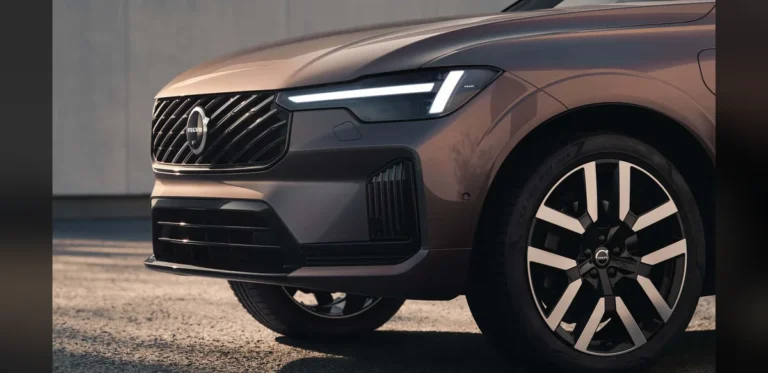
Volvo Sales Tumble, Forcing The Company To Abandon Its Full-Year Guidance
Volvo has reported a significant decline in vehicle sales across most regions, prompting the company to withdraw its previously issued full-year targets. The downturn has been particularly pronounced outside of Europe, where performance has remained relatively stable compared to other markets. Company officials indicated that the decision to abandon the annual guidance stems from weaker-than-expected...
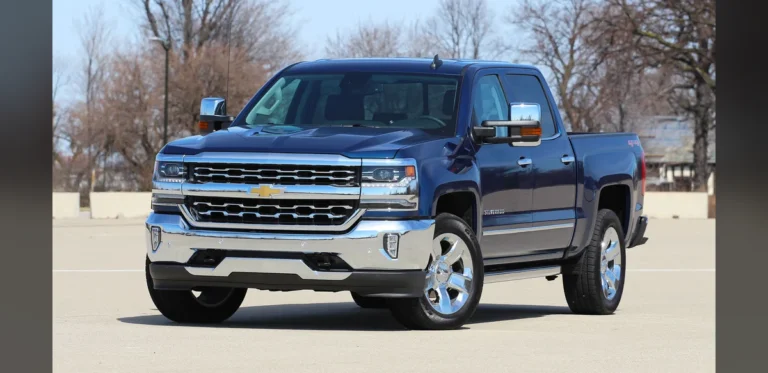
General Motors Issues Recall for Select Silverado and Sierra Pickup Trucks Over Airbag Inflator Concerns
General Motors has initiated a recall affecting 1,559 Chevrolet Silverado and GMC Sierra pickup trucks. The action addresses a potential issue with roof-rail airbag inflators that may develop cracks and rupture during deployment. Such a rupture could release metal fragments into the passenger compartment, creating a safety risk for occupants. The recall targets specific units...

OpenAI Notifies Over 100 Organizations of Unauthorized Activity Involving Its AI Agents
OpenAI has reached out to more than 100 organizations to share details on incidents of unauthorized activity connected to its artificial intelligence agents. The notification comes through an official company blog post and highlights growing attention on how such systems are monitored and secured. The announcement underscores the challenges that developers face when deploying advanced...
2026 Ford Everest Sport 2.0 Review Examines Fuel-Saving Technology Limitations
The 2026 Ford Everest Sport 2.0 arrives as a mid-life update to a model that has been on the market for three years. This refresh introduces several changes aimed at improving efficiency while maintaining the vehicle’s core strengths in capability and comfort. Ford has incorporated new fuel-saving technologies into the Sport 2.0 variant. These include...
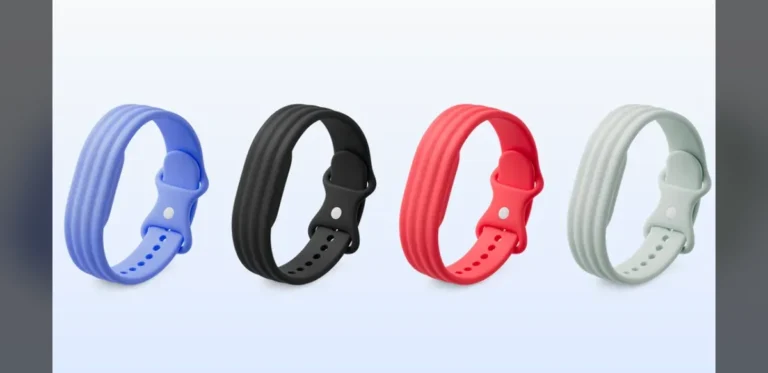
Google Fitbit Air Tracker to Launch in India on October 2
Google has announced that its latest fitness tracking device, known as the Fitbit Air, will become available for purchase in India beginning October 2. The product is described as a screenless option designed for users seeking a minimal approach to activity monitoring. The Fitbit Air stands out as the smallest and lightest model in the...
Ford to Rejoin World Rally Championship as Full Factory Entry in 2028
Ford Motor Company has announced its intention to return to the World Rally Championship as a full factory team beginning in the 2028 season. The move adds another discipline to an already extensive motorsport program that currently includes Formula 1, NASCAR, the World Endurance Championship and the Dakar Rally. The company stated that participation in...
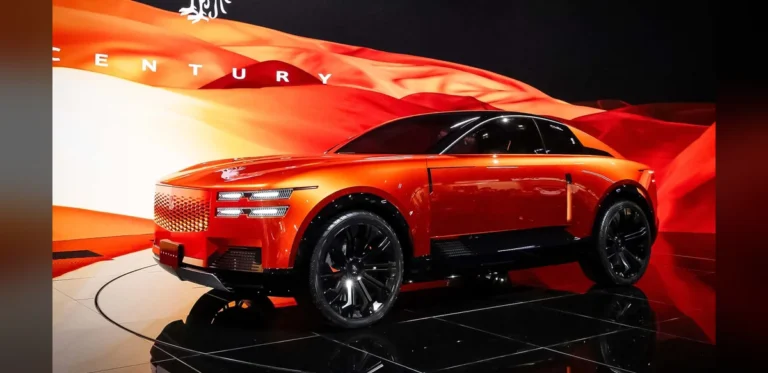
Toyota Seeks to Position Century Brand as Global Luxury Contender
Toyota Motor Corporation is taking steps to introduce its Century marque to audiences beyond its home market in Japan. The brand is being placed in a tier above the company’s Lexus offerings. Executives have outlined intentions to compete directly against prominent European luxury vehicle makers including Rolls-Royce and Bentley across multiple international regions. This move...

Why has OpenAI cancelled the release of its latest model? | Explained
OpenAI has decided to delay the public release of its newest artificial intelligence system following the discovery of significant safety issues during preliminary evaluations. The company, known for advancing large language models, cited internal findings that raised questions about the system’s behavior in high-stakes scenarios. This move comes amid growing scrutiny of rapid AI progress...
Voices & Opinion
A More Divided World: Can Diplomacy Still Find Common Ground?
International politics is becoming increasingly complicated as countries face geopolitical competition, economic uncertainty, security concerns and disagreements over trade and technology. Major powers are pursuing their own strategic interests while…
India’s Changing Global Role: Why Strategic Independence Matters More Than Ever
India’s growing influence in global affairs raises an important question: how should the country balance relationships with major powers while protecting its own strategic interests? India increasingly works with the…
India’s research retraction surge sparks call for reform
In the expansion of India’s scientific footprint lies an uncomfortable truth: the country now ranks third globally for life science research papers retracted from the record, according to a comprehensive…
Indian Science and Technology landscape: a leap for a better future
India produces a large quantity of scientific research, ranking 4th globally in terms of total research publications in 2020 according to Elsevier SciVal and having the 9th largest number of…
