

Health authorities in Louisiana have issued warnings to individuals planning visits to coastal areas along the Gulf of Mexico. The alerts focus on heightened risks from certain waterborne bacteria during the warmer months. Officials emphasize simple protective measures to reduce potential exposure while enjoying beach activities.
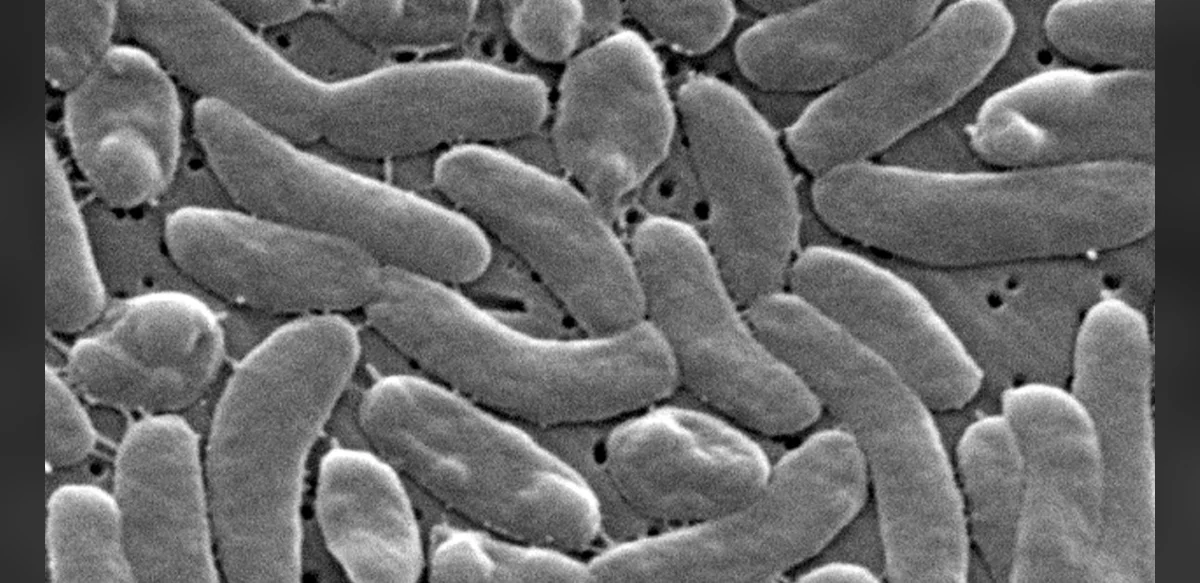
The state has recorded nine instances of infections linked to Vibrio vulnificus so far this year. This figure comes from reports issued by the Louisiana Department of Health. Such cases tend to increase when water temperatures rise and people spend more time in or near the sea.
Vibrio vulnificus occurs naturally in brackish and saltwater environments. It can enter the body through open wounds or by consuming contaminated seafood. Health experts note that most people encounter no issues, yet certain groups face elevated chances of severe outcomes.
Precautions include covering any cuts or scrapes before entering the water. Individuals are also encouraged to wash thoroughly after swimming or handling shellfish. Those with weakened immune systems or chronic conditions should consult medical professionals before coastal outings.
The current uptick aligns with typical seasonal patterns observed in southern states. Officials continue to monitor reports and provide updates through public channels. Awareness campaigns highlight the importance of prompt attention to any unusual symptoms following water exposure.
Residents and tourists alike are reminded that basic hygiene practices can significantly lower risks. Avoiding raw or undercooked shellfish serves as another key recommendation during peak summer periods. Local health departments stand ready to offer guidance on safe recreational habits.
Ongoing surveillance helps track the spread of such bacteria across affected regions. Data collection supports efforts to inform the public accurately without causing undue alarm. The focus remains on empowering people with knowledge for informed decisions.
Beachgoers are urged to stay attentive to official advisories issued by state agencies. These communications often include details on current conditions and recommended actions. Cooperation between communities and health services strengthens overall preparedness.
In summary, the combination of natural environmental factors and human activity contributes to periodic increases in reported cases. By adopting straightforward safeguards, visitors can continue to enjoy coastal environments responsibly. Health officials remain committed to sharing reliable information as situations evolve throughout the season.


