

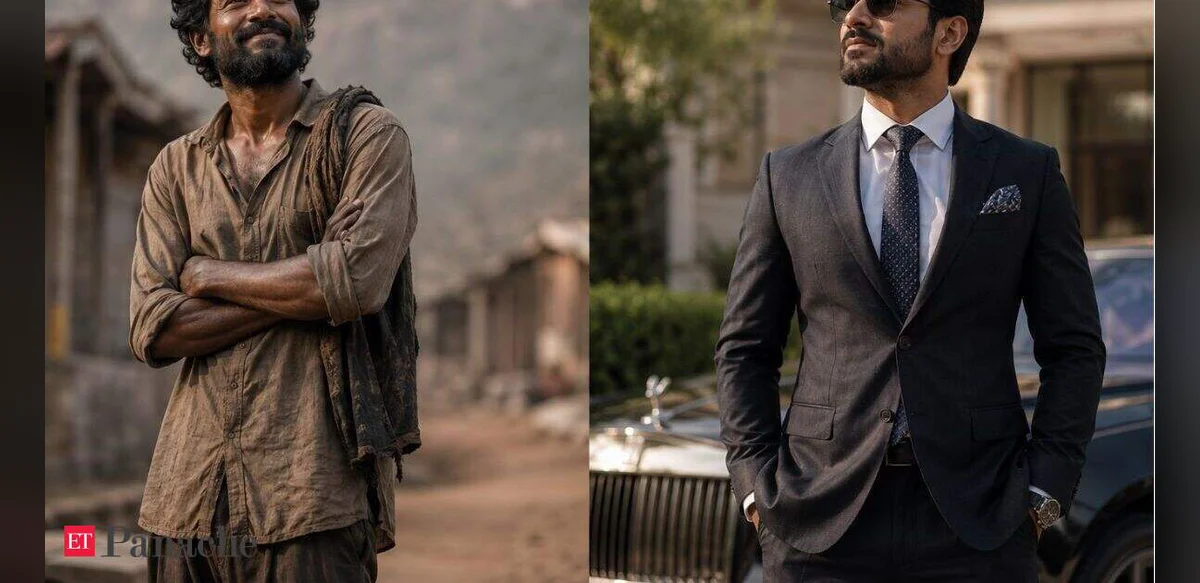
A traditional Sicilian saying offers perspective on the nature of power by distinguishing between two distinct paths. One involves visible influence derived from substantial material resources accumulated over time. The other centers on individuals who possess few possessions yet demonstrate resolve by adhering to personal principles and pursuing meaningful goals.
This distinction encourages reflection on how societies often measure strength through external indicators such as property or financial holdings. At the same time the proverb suggests an alternative measure rooted in consistency and determination regardless of economic status.
Observers note that the first category includes those born into privilege or those who build significant assets through various means. Their authority stems from the ability to direct resources and shape outcomes in tangible ways. The second category highlights people who operate without such advantages but maintain integrity when facing challenges.
The saying originates from cultural traditions in Sicily where oral wisdom has long served to convey lessons across generations. It does not dismiss material success but places equal value on the capacity to remain authentic amid limited means. This balanced view can apply to everyday decisions in professional and personal contexts.
In contemporary discussions the proverb prompts consideration of leadership qualities beyond wealth. Individuals who lack extensive holdings may still exert influence through ethical conduct and persistence. Such examples appear in community initiatives where participants achieve progress without large budgets.
Analysts of cultural expressions point out that similar ideas exist in other regions yet the Sicilian version emphasizes a clear binary. It avoids judgment on either form while underscoring that true capability can manifest differently. This approach fosters broader appreciation for diverse expressions of resilience.
Applications in daily life include evaluating personal ambitions. Someone focused solely on accumulation might overlook the satisfaction derived from value-driven actions. Conversely those with modest circumstances can draw motivation from the recognition that influence need not require riches.
The proverb also invites examination of societal structures that prioritize visible success. By acknowledging the second type of power it challenges assumptions about who holds sway in various settings. Historical accounts from Mediterranean communities illustrate instances where individuals with little property guided collective efforts through steadfast commitment.
Further exploration reveals connections to broader themes of human motivation. Wealth provides tools for action yet inner conviction supplies direction. The saying integrates both without elevating one above the other creating space for multiple interpretations.
Readers encountering the proverb today may find relevance in career choices or community involvement. Choosing to act according to core beliefs even when resources are scarce aligns with the described strength. This perspective supports sustained effort over time rather than immediate gains.
Overall the Sicilian expression serves as a reminder that definitions of power remain multifaceted. Material abundance represents one avenue while principled determination offers another. Both contribute to the complex landscape of human achievement and social dynamics.
Discussions around such sayings often extend to educational settings where they illustrate cultural values. Students learn to recognize varied sources of influence preparing them for diverse environments. The neutral tone of the proverb allows for open dialogue without prescriptive conclusions.
In summary the wisdom encapsulated encourages ongoing reflection on personal and collective measures of strength. It maintains relevance across eras by focusing on universal aspects of human experience rather than specific circumstances. This enduring quality ensures continued consideration in conversations about success and integrity.


