

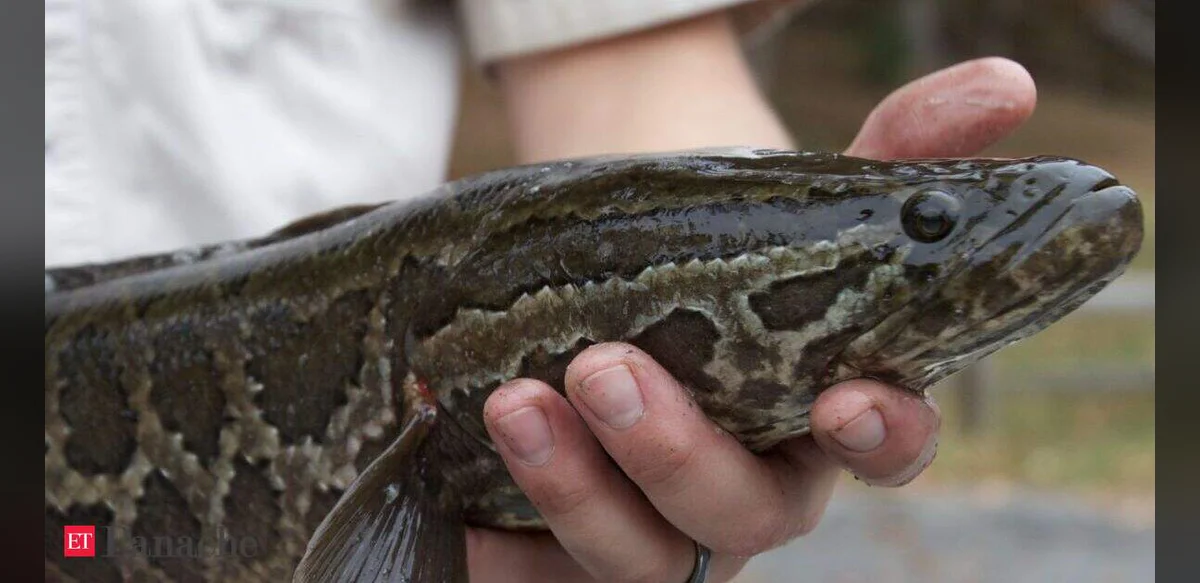
In the early 2000s a fisherman in Maryland pulled an unfamiliar creature from a local pond, setting off a chain of events that drew widespread attention from biologists and the public alike. The fish, later identified as a northern snakehead, displayed physical traits that distinguished it sharply from native species in the region. Wildlife authorities responded quickly by draining the pond to prevent further spread, an action that underscored the seriousness with which the find was treated.
The northern snakehead originates from parts of Asia and is known for its ability to survive out of water for extended periods as well as its predatory habits. Once established in new environments it can disrupt local ecosystems by competing with indigenous fish for food and habitat. Officials noted that the 2002 incident marked one of the first confirmed appearances of the species in North American fresh waters, prompting immediate regulatory measures to limit its movement through the pet trade and live fish markets.
Media coverage amplified public awareness, with reports highlighting the fish’s unusual appearance and potential ecological impact. Several films drew loose inspiration from the event, portraying exaggerated versions of the species as threats to human populations. In reality experts emphasized that the primary concern centered on biodiversity rather than direct danger to people.
Follow-up surveys across the mid-Atlantic region revealed additional sightings in subsequent years, leading states to enact bans on possession and transport. Management strategies included public reporting hotlines and targeted removal efforts in affected waterways. Researchers continue to monitor populations while studying the species’ adaptability to varying water conditions.
The episode also sparked broader discussions about pathways for aquatic invasions, including accidental releases from aquariums and intentional introductions for angling. Educational campaigns now advise anglers on proper identification and reporting procedures to support early detection. Although complete eradication has proven difficult in connected river systems, containment measures have slowed expansion in some areas.
Over time the northern snakehead has become a case study in invasive species response, illustrating both the challenges of rapid intervention and the value of coordinated federal and state efforts. Ongoing research examines its effects on food webs and explores biological controls that might complement physical removal techniques without harming native wildlife.

