

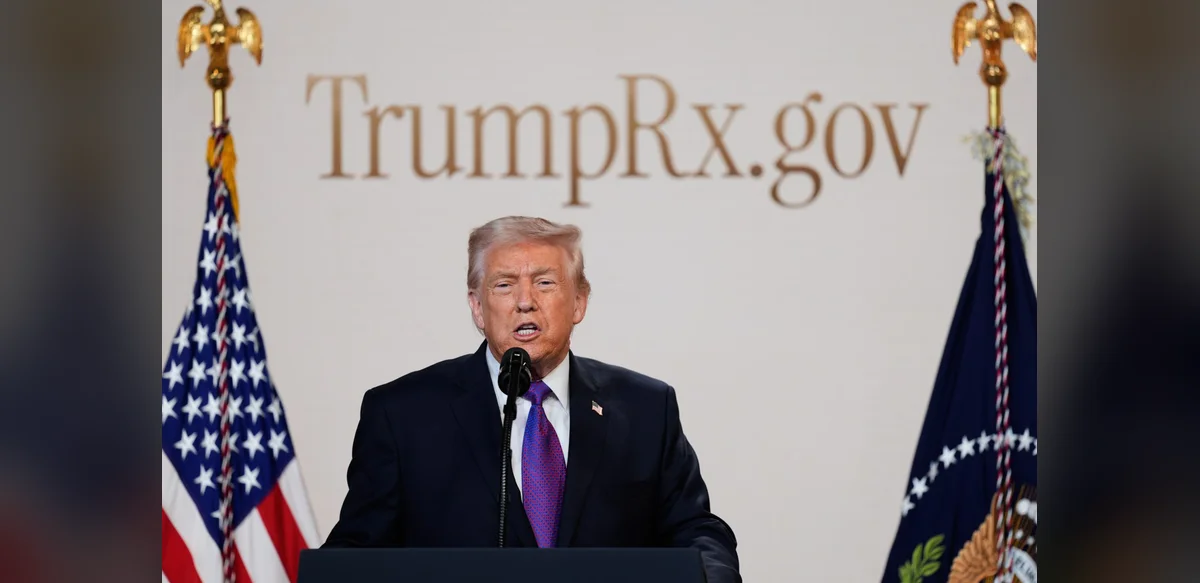
New federal data indicates that prescription drug prices in the United States decreased by 0.8 percent during July. This represents a 3.1 percent reduction compared to the same period one year earlier. The year-over-year decline marks the largest such drop recorded since 1963. President Donald Trump has publicly attributed these changes to actions taken by his administration. However, analysts note that the factors contributing to the price movement are multifaceted and not solely the result of any single policy decision.
The reported figures come from official government statistics tracking consumer prices for medications. These measurements reflect average changes across a broad range of prescription products available to the public. While the overall trend shows a downward movement, individual drug categories may experience varying degrees of change depending on market conditions and supply dynamics.
Observers point out that pharmaceutical pricing involves numerous elements including manufacturer negotiations, insurance reimbursement rates, and shifts in demand patterns. External influences such as production costs and regulatory adjustments can also play roles in determining final consumer prices. The complexity arises because multiple stakeholders participate in the supply chain from development to distribution.
President Trump has highlighted the data during recent public statements, emphasizing improvements in affordability for American consumers. Supporters of the administration view the decline as evidence of effective economic measures. Critics, however, caution against attributing the entire shift to political actions without considering broader economic cycles that affect pricing across sectors.
Historical records show that significant year-over-year drops in drug prices have been infrequent. The current decline stands out when compared to previous decades where increases were more common. This context helps frame the recent statistics within a longer timeline of price fluctuations.
Market participants continue to monitor upcoming data releases to determine whether the downward trend persists. Future reports will provide additional insight into whether the July figures represent a temporary adjustment or the beginning of a sustained period of lower prices. Economic experts recommend examining the data alongside other indicators such as overall inflation rates and healthcare expenditure trends.
The discussion surrounding these price changes occurs against a backdrop of ongoing debates about healthcare costs in the United States. Policymakers from various perspectives have long sought ways to balance innovation incentives for pharmaceutical companies with accessibility for patients. The latest statistics add a new dimension to these conversations without resolving underlying structural questions.
Consumers may notice differences in out-of-pocket expenses depending on their specific insurance plans and the medications they require. Not all individuals will experience the average decline equally, as personal circumstances vary widely. Healthcare providers and pharmacists remain key sources of information for those seeking to understand changes in their own medication costs.
In summary, the federal data confirms a measurable reduction in prescription drug prices with the steepest annual drop in over six decades. Attribution of this outcome involves both political claims and acknowledgment of intricate market forces. Continued observation of economic indicators will help clarify the situation as additional information becomes available.

