

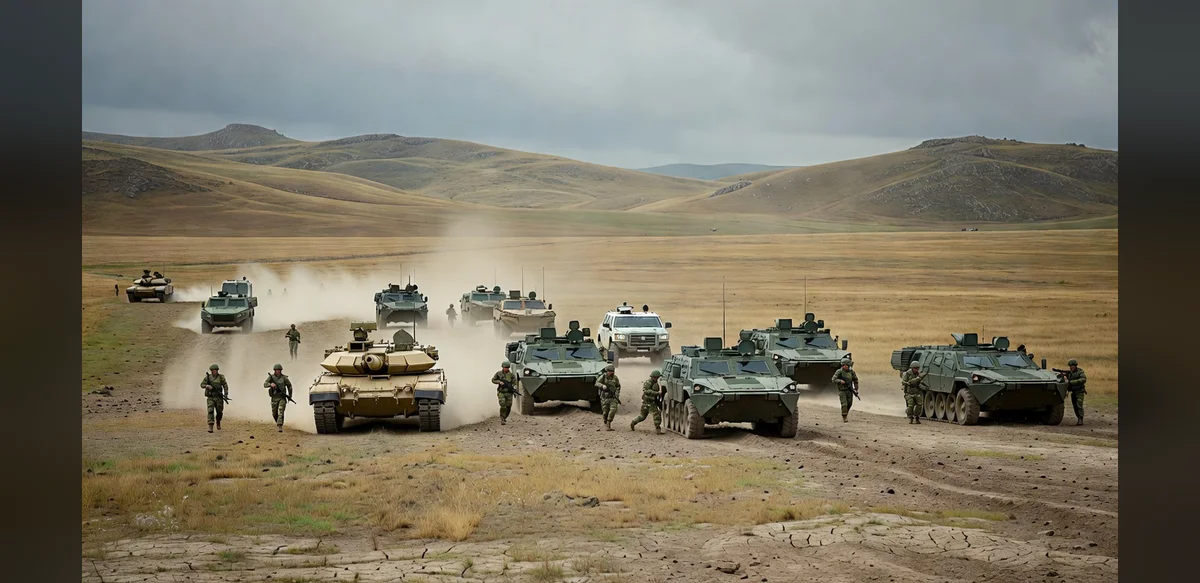
South Korean authorities have decided to end scheduled joint military drills with the United States ahead of the original timetable. The adjustment follows public remarks attributed to former President Donald Trump. Government spokespersons in Seoul described the change as a routine measure intended to support regional stability.
The exercises in question form part of longstanding security cooperation between the two nations. They typically involve coordinated maneuvers, command simulations, and equipment checks. Officials emphasized that core defense commitments remain unchanged despite the shortened schedule.
Regional observers noted that such adjustments occasionally occur in response to diplomatic developments. No specific details were released regarding the exact duration reduction or the number of participating units. Both governments continue to affirm their alliance through separate channels.
Analysts suggest the decision reflects efforts to balance military readiness with broader political considerations. Similar exercises have taken place annually for decades, serving as a demonstration of interoperability. The current modification does not alter the overall framework of bilateral defense agreements.
South Korean defense ministry statements stressed that all activities were conducted in accordance with established protocols. United States military representatives confirmed awareness of the schedule change but offered no further elaboration. Both sides indicated that future training plans will be reviewed through normal consultation processes.
The announcement has prompted limited commentary from neighboring countries. Most reactions have remained measured, focusing on the importance of maintaining open lines of communication. No immediate shifts in force posture have been reported in the area.
Journalists covering the story were directed to official briefings for updates. Additional information is expected to be shared as planning for subsequent activities progresses. The episode underscores the interplay between military planning and high-level political statements.

