


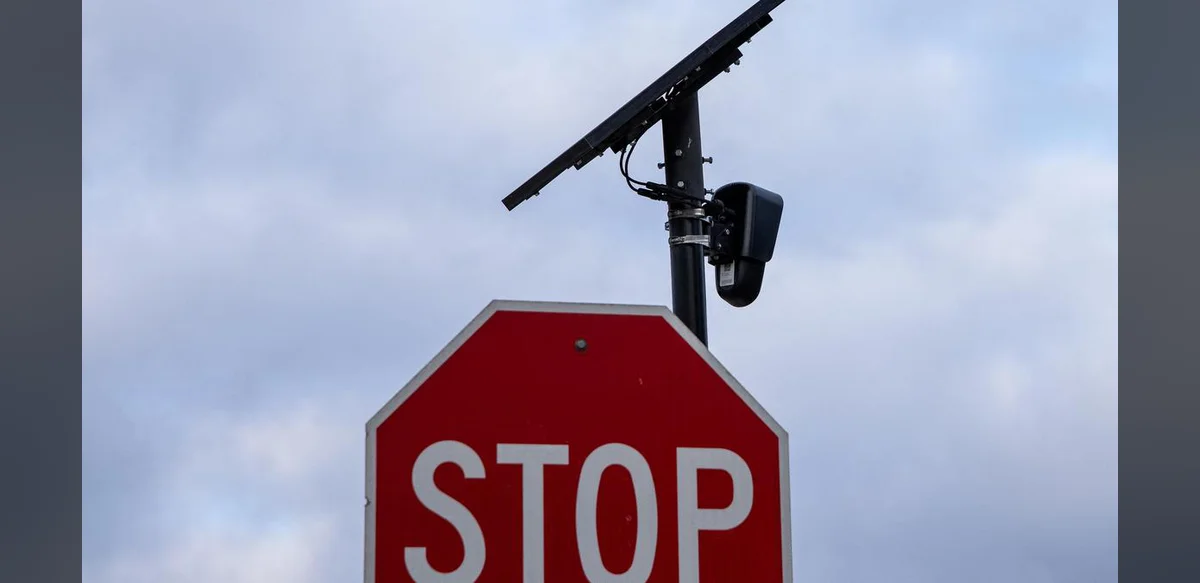
Flock operates a network of cameras designed to capture vehicle license plates and other visual data in public spaces across various communities. The company positions its systems as tools for enhancing public safety through automated monitoring. Recent events have drawn attention to instances where individuals have targeted these devices, leading to questions about public sentiment toward such technology.
Critics argue that the widespread deployment of these cameras contributes to extensive data collection on citizens without sufficient safeguards. They claim that the operator has not implemented adequate controls to prevent misuse of the gathered information by authorities or third parties. This perspective frames the technology as an overreach into personal privacy, prompting some to take direct action against the equipment.
Supporters of the systems counter that license plate recognition aids in locating stolen vehicles and tracking criminal activity. They emphasize the potential benefits for law enforcement in solving cases more efficiently. However, the debate centers on whether the advantages outweigh the risks of constant surveillance in everyday environments.
The controversy highlights broader discussions about the role of private companies in managing public monitoring infrastructure. Questions arise regarding data retention policies, access protocols, and transparency in how information is shared with government agencies. Without clear guidelines, concerns about potential abuse persist among privacy advocates.
In response to the incidents of damage, local authorities have increased patrols around camera locations in affected areas. Investigations into the acts of vandalism are underway, though identifying perpetrators remains challenging due to the nature of the events. Community meetings have been organized to address resident worries and explain the intended purpose of the installations.
Neutral observers note that the situation reflects ongoing tensions between technological advancement and individual rights. As more municipalities consider adopting similar tools, the need for balanced regulations becomes apparent. Public discourse continues to evolve, with calls for greater oversight to ensure responsible use.
Further analysis shows that the cameras operate by scanning plates in real time and storing records for specified periods. This process allows for pattern analysis but also raises issues about long-term data storage and potential profiling. Efforts to mitigate these concerns include proposed audits and user consent mechanisms, though implementation varies by jurisdiction.
The events underscore the importance of community engagement in decisions about surveillance infrastructure. Open forums where residents can voice opinions may help bridge gaps in understanding. Ultimately, the path forward involves weighing security needs against privacy protections in a transparent manner.
Additional context reveals that similar technologies have faced scrutiny in other regions, leading to policy adjustments over time. Lessons from those experiences could inform current approaches to managing public reaction. Maintaining trust requires consistent communication about system capabilities and limitations.
In summary, the backlash against these cameras stems from fears of unchecked monitoring and insufficient protections against misuse. Addressing these issues through dialogue and refined practices may reduce conflicts and promote more acceptable deployment strategies. The situation serves as a reminder of the complexities involved in integrating advanced monitoring into daily life.

