

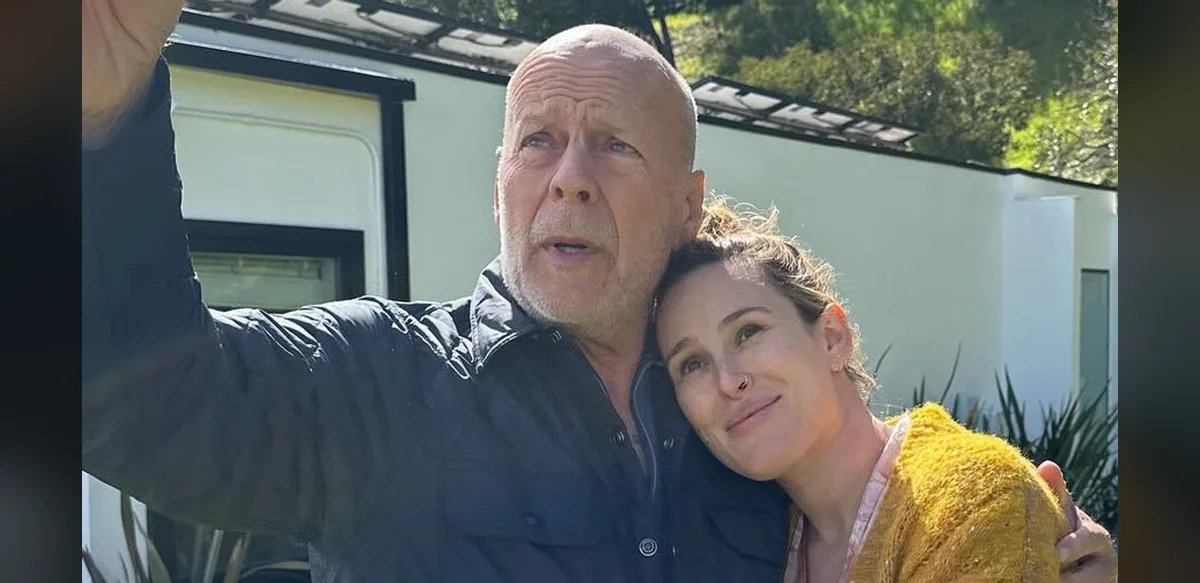
In recent developments concerning family health matters, the daughter of a well-known actor has chosen to undergo screening procedures aimed at early detection of cognitive conditions. This decision follows the public disclosure of her father’s diagnosis with a specific form of dementia. The move highlights growing awareness around proactive health management in the face of hereditary risks.
Medical experts emphasize that frontotemporal dementia represents one category of progressive brain disorders that affect behavior, language, and personality. Unlike more commonly discussed forms of memory loss, this condition often manifests through changes in social conduct and emotional regulation before significant memory issues appear. Families facing such diagnoses frequently explore options for monitoring and prevention where available.
Preventative testing in this context typically involves a combination of cognitive assessments, genetic evaluations, and lifestyle reviews. Professionals in the field note that while no cure exists for many dementia variants, early identification can allow for better planning, support systems, and potential participation in clinical studies. Individuals in the public eye sometimes share such personal steps to encourage broader conversations about brain health.
The process of deciding on screening can involve consultations with neurologists and genetic counselors. These specialists provide information on risk factors, including family history, and discuss the benefits and limitations of available tests. For many, the choice reflects a desire to take informed actions regarding long-term well-being.
Public figures dealing with similar situations often navigate the balance between privacy and openness. Announcements about health screenings can spark interest in related topics such as research funding and community resources. Organizations dedicated to neurological conditions continue to advocate for increased access to diagnostic services and educational programs.
Lifestyle elements including regular physical activity, balanced nutrition, mental stimulation, and social engagement are frequently cited in discussions of brain health maintenance. While these practices do not guarantee prevention, they form part of comprehensive approaches recommended by health authorities. Research into environmental and genetic influences on dementia remains an active area of scientific inquiry.
Support networks play a vital role for those affected by cognitive disorders. Caregivers and relatives may seek guidance on communication strategies, daily routines, and emotional coping mechanisms. Professional organizations offer materials tailored to different stages of the condition, helping families prepare for evolving needs.
The broader context of dementia awareness includes ongoing efforts to reduce stigma and promote understanding. Media coverage of individual cases can contribute to public knowledge, provided it respects personal boundaries. Accurate reporting helps distinguish between various types of dementia and their distinct characteristics.
In summary, the decision to pursue preventative measures underscores the importance of timely information and professional advice when confronting neurological health challenges. Continued advancements in medical understanding offer hope for improved outcomes through early intervention and supportive care. Families and individuals are encouraged to consult qualified practitioners for personalized recommendations based on their specific circumstances.


