

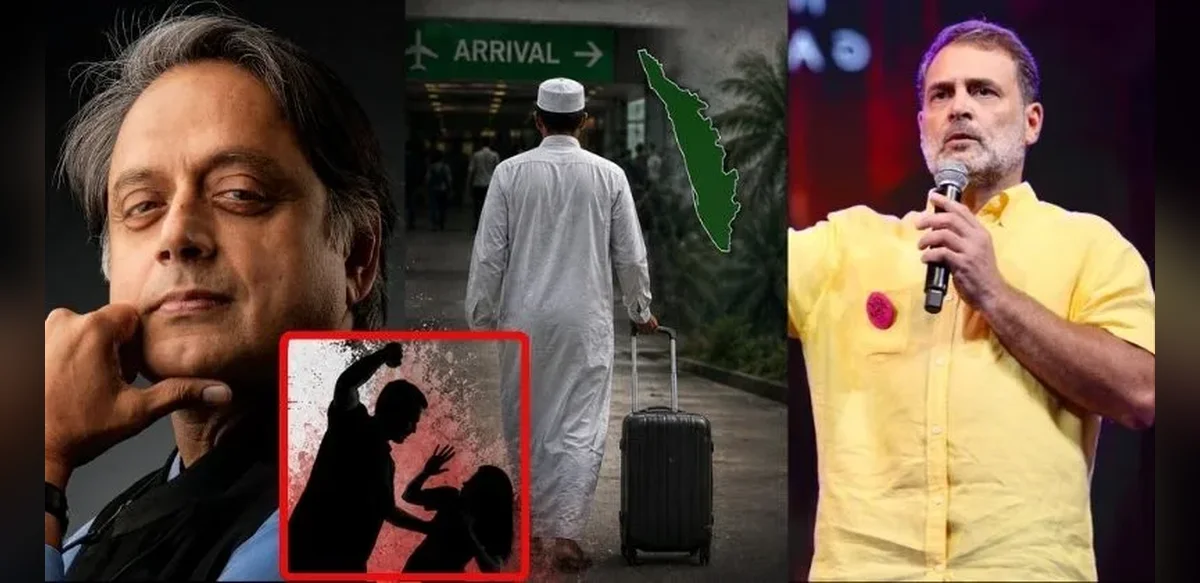
A recent World Bank research paper has drawn attention to differences in gender-related attitudes among men returning to Kerala after working in various Gulf countries. The study titled Beyond Money Does Migration Experience Transfer Gender Norms was published in 2022 and analyzed data from the Kerala Migration Survey of 2013 which covered more than sixty three thousand households. Researchers compared returnees from Saudi Arabia with those from other Gulf nations such as Bahrain Kuwait Oman Qatar and the United Arab Emirates as well as non migrants.
The findings indicated that individuals who had worked in Saudi Arabia tended to express more conservative views on issues involving women and gender based violence compared to non migrants. In contrast returnees from the other listed Gulf countries generally displayed attitudes that were similar to or less conservative than those of non migrants. The paper used statistical methods to separate the influence of migration from the characteristics of people who choose to migrate.
Survey responses highlighted specific differences. Among Saudi returnees approximately forty three percent agreed that a man has the right to beat his wife if she disobeys him. This figure was thirty seven percent among returnees from other Gulf countries. Nearly eighty five percent of Saudi returnees believed a man who cannot control his wife loses respect in the community. Around seventy percent linked women’s immodest dressing to provoking men. Nearly half suggested that a woman who is raped usually did something careless to place herself in that situation. Additional responses showed that about sixty eight percent thought a woman who has been sexually assaulted loses community respect. Roughly fifty three percent of Saudi returnees held that a woman going out alone after dark is to blame if molested. Fifty two percent agreed that in a rape case it is necessary to question whether the female victim is promiscuous or has a bad reputation.
The researchers described these patterns as social remittances referring to the transfer of ideas behaviors and norms from destination countries back to the origin communities. The study noted Kerala’s high levels of female literacy and education including among Muslim women and girls. Muslims represent over forty percent of the state’s emigrants while forming about one quarter of the population with Malabar districts playing a central role in migration to the Gulf.
Kerala has alternated between Congress led United Democratic Front and Communist led Left Democratic Front governments since 1957. The Indian Union Muslim League has participated in coalitions with the United Democratic Front and at times aligned with the Left Democratic Front. Political leaders including Congress figures have described the state’s Muslim community as largely progressive overall. The report raises questions about how migration from regions with differing social environments may influence local attitudes even as state level political discussions address broader themes of gender equality.
The analysis focused on return migrants specifically from Saudi Arabia numbering two hundred fifty six in the sample alongside three hundred twenty two from other Gulf countries and eight thousand six hundred fourteen non migrants. It avoided treating all Gulf migration as uniform due to variations in social settings across destinations. The paper contributes to ongoing discussions about the effects of international labor movement on social norms in sending regions like Kerala.


