

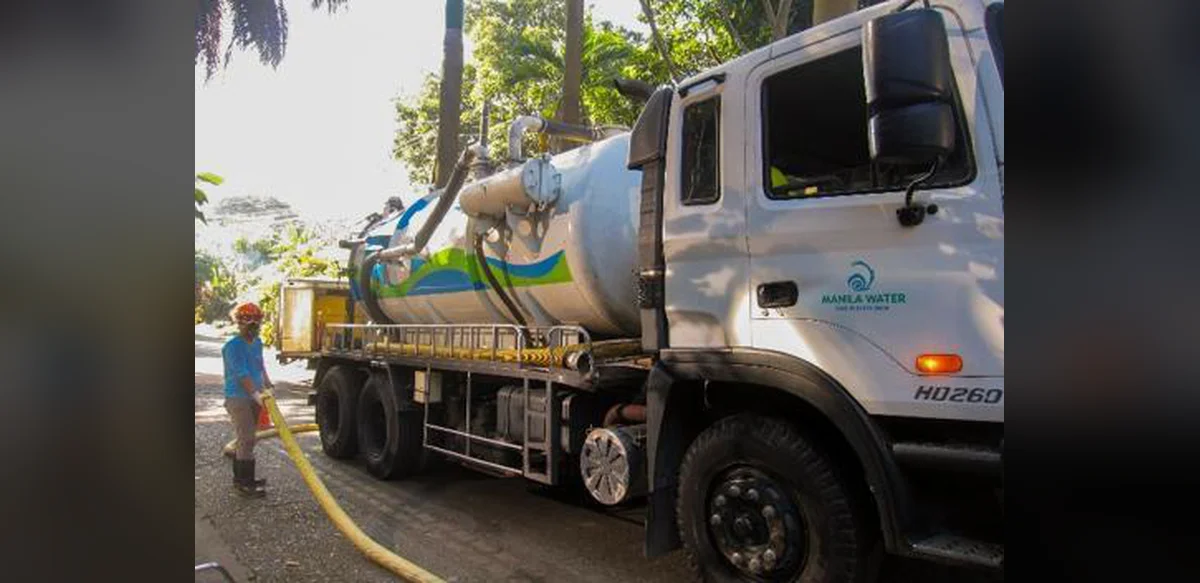
Manila Water has intensified efforts to manage the full water cycle by conducting desludging activities throughout September. The initiative forms part of broader steps to handle wastewater alongside ongoing projects that develop fresh water sources, increase treatment capacity, and upgrade distribution networks.
The company operates in the eastern part of Metro Manila and nearby provinces. Its work includes collecting used water from households and businesses, treating it at specialized facilities, and ensuring safe release back into the environment. Desludging removes accumulated solids from septic tanks and sewer lines, preventing overflows and reducing risks to public health.
September activities targeted multiple residential zones and commercial districts. Crews used vacuum trucks and specialized pumps to extract sludge, which was then transported to treatment plants for processing. The treated material can be converted into biosolids suitable for certain agricultural or industrial uses, supporting resource recovery goals.
Officials noted that regular desludging helps maintain the efficiency of the overall sanitation system. Without periodic removal of solids, pipes and tanks can clog, leading to backups that affect communities. The current campaign builds on previous rounds conducted earlier in the year and aligns with regulatory standards set by national environmental agencies.
Infrastructure improvements continue in parallel. New pipelines are being laid in expanding neighborhoods to connect more households to centralized treatment. Additional treatment plants are under construction or expansion to handle rising volumes of wastewater generated by population growth and urban development.
Water source development remains a priority. The utility is exploring groundwater options and surface water projects to secure supply amid seasonal variations and increasing demand. These efforts complement wastewater management by ensuring that clean water production and used water treatment operate as an integrated cycle.
Community engagement plays a role in the success of desludging programs. Residents receive advance notices about scheduled service dates and are advised on preparations such as clearing access points to septic tanks. Information campaigns explain the environmental benefits and encourage proper disposal practices to avoid system strain.
Challenges include traffic congestion in densely populated areas and the need for coordination with local government units. Weather conditions during the rainy season can also affect outdoor operations, requiring flexible scheduling. Despite these factors, the September drive proceeded according to plan with minimal disruptions.
Data from recent operations show thousands of septic tanks serviced across the coverage area. Volumes of sludge collected reached several hundred cubic meters per day at peak periods. Treatment facilities processed the material without exceeding capacity limits, demonstrating the value of prior investments in plant upgrades.
Looking ahead, Manila Water plans to expand desludging coverage further and introduce technology that improves tracking and efficiency. Digital tools for scheduling and monitoring are being tested to reduce response times and optimize resource allocation.
The approach reflects a commitment to sustainable urban water management. By addressing both supply and sanitation in coordinated fashion, the utility aims to meet long-term needs while complying with environmental regulations. Similar programs in other cities have shown that consistent desludging contributes to cleaner waterways and reduced pollution loads.
Stakeholders from government and civil society have observed the operations. Feedback sessions allow for adjustments based on community experiences. The overall objective remains steady progress toward a closed-loop system where water is used, treated, and reused responsibly.
This September initiative marks another step in that direction. Continued focus on infrastructure, technology, and public cooperation is expected to yield measurable improvements in water quality indicators over the coming months.


