


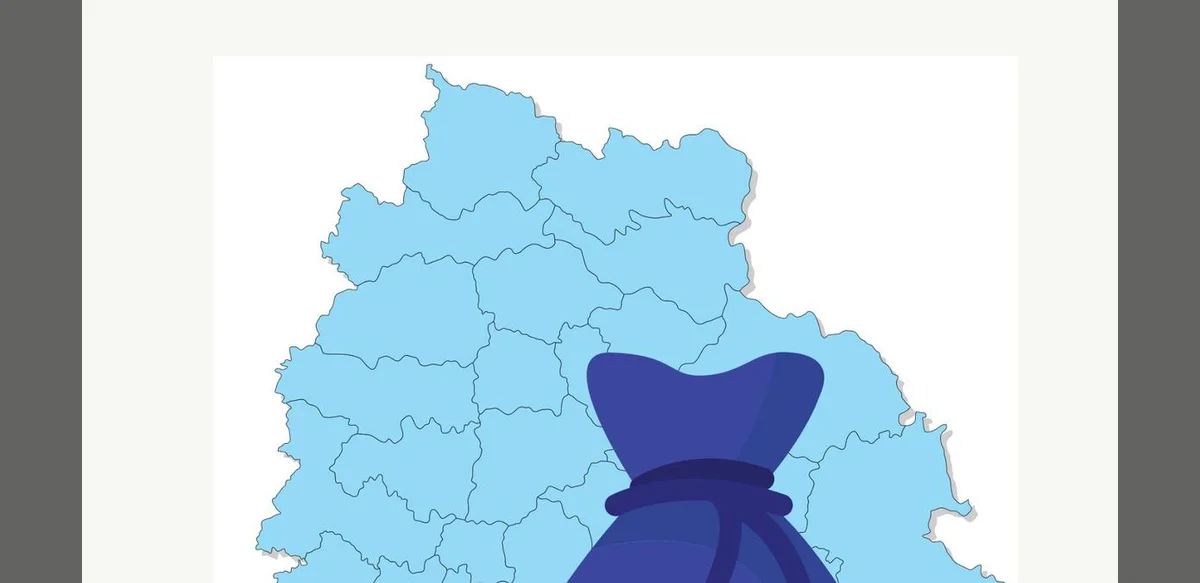
Recent data indicates that members of parliament from Telangana have utilized a modest share of the funds allocated under a central development scheme. Out of a total allotment amounting to 394.8 crore rupees, the 23 representatives from the state have collectively spent 94 crore rupees. This level of expenditure represents 23.8 percent of the available resources.
The national benchmark for similar spending across the country stands at 33 percent. The figures for Telangana therefore fall short of this average. The scheme in question supports local infrastructure and community projects chosen by elected representatives.
Officials note that such allocations are intended to address regional needs through targeted initiatives. The current utilization rate suggests that a substantial portion of the resources remains available for future deployment. Observers point out that spending patterns can vary due to administrative processes and project timelines.
In broader terms, the scheme operates by providing annual grants to each member for development works in their constituencies. Funds are typically directed toward areas such as roads, schools, health facilities, and sanitation. The process involves proposal submission, approval, and execution phases that can extend over multiple fiscal periods.
Telangana, as a state in southern India, has 23 parliamentary seats. The representatives associated with these seats manage the distribution according to guidelines set by the central authority. The reported expenditure covers activities undertaken up to the latest available reporting period.
Comparisons with the national average highlight differences in implementation across states. While some regions have achieved higher rates of fund deployment, others show more gradual progress. Factors influencing these variations include local governance structures and the complexity of proposed projects.
The data underscores the ongoing nature of fund management under the scheme. Remaining balances can be carried forward subject to applicable rules. Stakeholders continue to monitor progress to ensure alignment with intended objectives.
Further details on individual constituency spending are expected in subsequent updates from relevant authorities. This approach allows for transparency in how public resources are applied to development priorities. The overall framework emphasizes accountability and efficient use of allocations.
Additional context reveals that the scheme has been in operation for several years, evolving through various administrative refinements. Its primary aim remains the empowerment of elected members to address grassroots requirements directly. In the case of Telangana, the current statistics provide a snapshot of activity within this established system.
Analysts suggest that sustained efforts in project identification and execution could influence future utilization rates. The gap relative to the national figure may narrow as ongoing works reach completion. Public records serve as the basis for such assessments, promoting informed discussion on resource deployment.
The information presented here draws solely from the reported totals and percentages without speculation on underlying causes. Continued reporting will offer a more complete picture over time. This maintains focus on verifiable outcomes within the scheme’s operational parameters.
In summary, the utilization by Telangana MPs stands at the stated level, reflecting both the amounts spent and the comparative position against broader trends. The scheme continues to function as a mechanism for localized development support across the country.

