

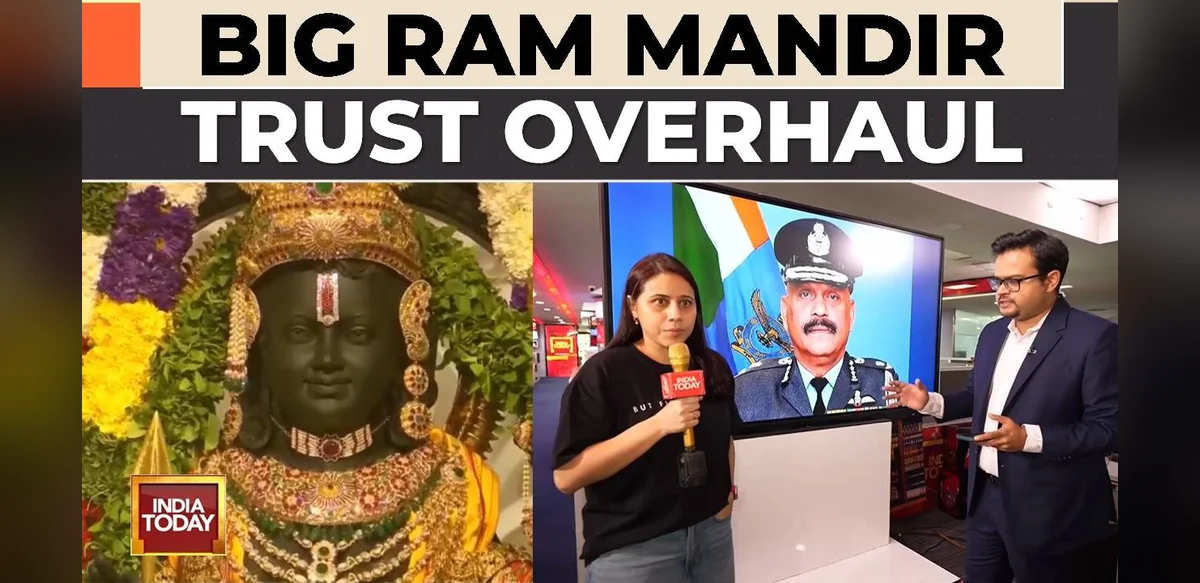
The Shri Ram Janmabhoomi Teerth Kshetra Trust has appointed a retired air marshal as its inaugural chief executive officer. This move comes as preparations intensify for the upcoming assembly elections in Uttar Pradesh. The decision marks a significant step in the trust’s efforts to streamline operations and enhance administrative efficiency at the Ayodhya site.
Officials familiar with the matter indicated that the selection process focused on candidates with extensive experience in large-scale project management and organizational leadership. The former air force officer brings a background in defense logistics and coordination, which is expected to aid in overseeing construction timelines, resource allocation, and visitor management protocols.
The trust, established to oversee the development and maintenance of the Ram temple complex, has been engaged in multiple phases of infrastructure work. These include temple expansion, surrounding facilities, and coordination with local authorities on security and crowd control measures. The new CEO role is designed to centralize decision-making and accelerate ongoing initiatives.
Political observers note that the timing aligns with heightened activity in Uttar Pradesh ahead of the polls. The state has seen sustained public interest in the Ayodhya project since the temple’s consecration. Parties across the spectrum have referenced the development in their outreach efforts, though the trust maintains a focus on religious and administrative functions.
Sources within the trust emphasized that the appointment followed standard internal procedures and was not influenced by external political considerations. The emphasis remains on professional expertise to handle the complexities of managing a major pilgrimage destination that attracts millions of visitors annually.
In recent months, the trust has also worked on refining visitor guidelines, improving accessibility, and ensuring compliance with environmental and safety standards. The incoming CEO is anticipated to review these areas and introduce operational enhancements based on prior experience in high-stakes environments.
Local residents and devotees have expressed varied reactions to the leadership change. Some view it as a positive development for better organization, while others await further details on how daily rituals and access will be affected. The trust has assured continuity in core religious activities.
The broader context involves ongoing discussions about land use, funding mechanisms, and long-term sustainability of the temple complex. Government agencies at both state and central levels continue to provide support for infrastructure linkages, including roads and public amenities.
Analysts suggest the appointment could influence perceptions of governance efficiency in religious and cultural projects. It reflects a trend toward incorporating specialized managerial talent in traditionally faith-based organizations.
As the election cycle progresses, coverage of the trust’s activities is likely to remain prominent in regional discourse. The focus, however, stays on the practical aspects of temple management and visitor experience rather than partisan narratives.
The retired air marshal is scheduled to assume duties shortly, with an initial mandate to assess current operations and propose a strategic roadmap. Trust members have highlighted the importance of transparency and accountability in the new leadership structure.
This development underscores the evolving nature of temple administration in India, where modern organizational practices intersect with longstanding traditions. The coming months will reveal how the new CEO navigates these responsibilities amid public and political scrutiny.


