

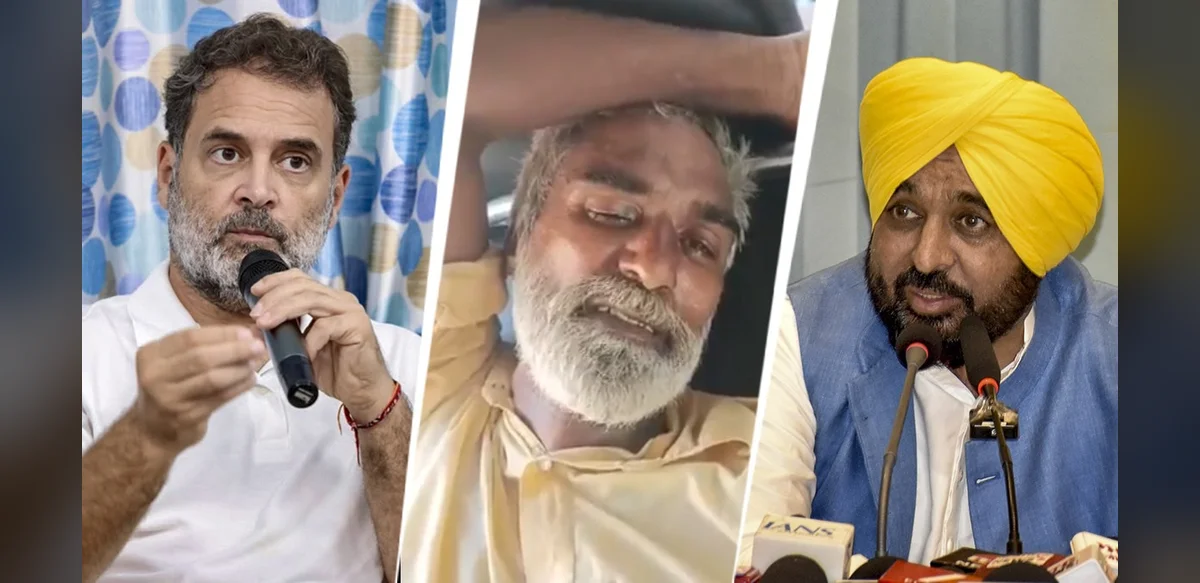
A recent incident involving the death of a Dalit man in Punjab has escalated into a significant political confrontation between national opposition figures and the state administration. Reports indicate that the individual took his own life amid allegations of pressure to issue an apology and exposure to caste-based remarks. This event has prompted immediate reactions from political leaders across party lines.
Rahul Gandhi, a prominent opposition voice, has publicly demanded the resignation of a state minister in connection with the case. He emphasized the need for accountability and urged authorities to address underlying issues related to caste discrimination. His statements have amplified calls for a thorough examination of the circumstances surrounding the tragedy.
In response, Punjab Chief Minister Bhagwant Mann has rejected these demands and countered with criticism directed at the opposition. The Chief Minister highlighted ongoing government efforts to support marginalized communities and questioned the timing and intent behind the resignation call. This exchange has intensified debates within the state’s political landscape.
The matter has also drawn attention from national human rights bodies, which have been requested to oversee an independent inquiry. Protests have been reported in various parts of the state, with participants seeking justice and systemic reforms to prevent similar occurrences. Local authorities have initiated preliminary investigations to establish the sequence of events.
Observers note that such incidents often reflect broader challenges related to social equity and governance in the region. Political analysts suggest that the current dispute may influence upcoming discussions on policy measures aimed at strengthening protections for vulnerable groups. Both sides continue to present their positions through public statements and media interactions.
Community leaders and activists have organized meetings to discuss the implications of the case. They stress the importance of maintaining calm while pursuing factual clarity through official channels. The state government has reiterated its commitment to upholding law and order alongside welfare initiatives.
The episode underscores ongoing tensions in Punjab’s political environment, where issues of caste and administration frequently intersect with electoral considerations. As investigations proceed, further developments are anticipated from both the opposition and ruling dispensation. Neutral observers recommend focusing on verified information to avoid escalation of communal sentiments.
Additional context reveals that Punjab has witnessed periodic discussions on social justice frameworks in recent years. Government programs targeting education and employment for scheduled castes remain active, though critics argue for enhanced implementation. The current controversy may lead to renewed scrutiny of these initiatives.
In summary, the suicide has become a focal point for political discourse, with demands for ministerial accountability met by defensive responses from the state leadership. The situation remains fluid as inquiries continue and public reactions evolve. Stakeholders across the spectrum are encouraged to prioritize evidence-based dialogue to address the root concerns effectively.


