


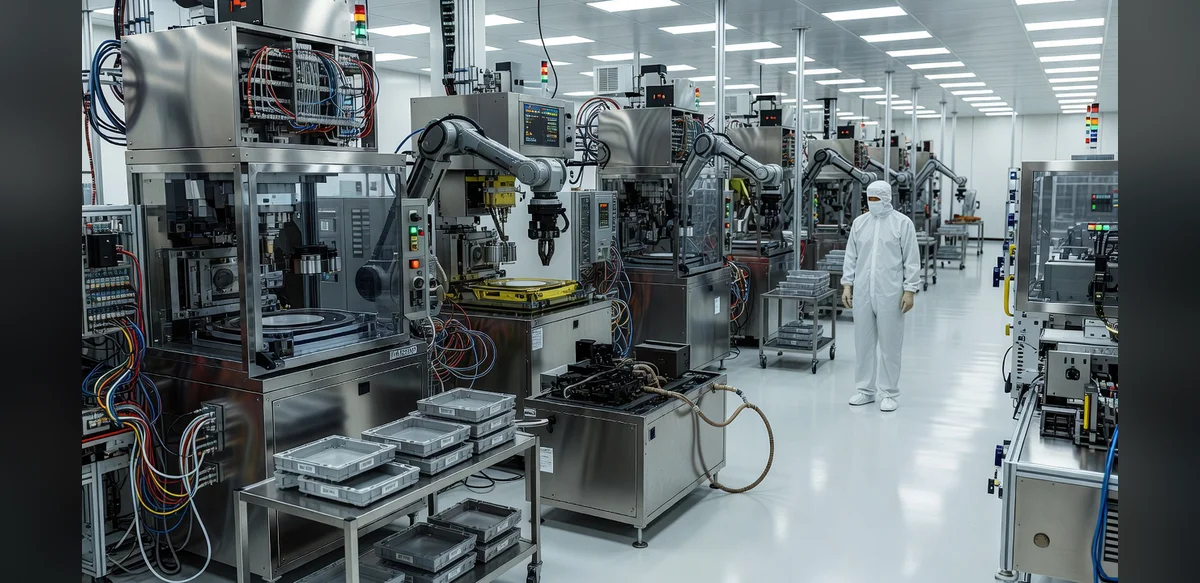
The global technology sector faces significant pressure from increasing requirements for advanced computing capabilities driven by artificial intelligence applications and blockchain operations. Semiconductor production faces persistent limitations that affect the availability of essential components across multiple regions. European facilities responsible for supporting computational needs encounter ongoing restrictions in obtaining necessary hardware supplies.
Foundries responsible for manufacturing chips operate with extended timelines that can stretch across several years before new orders are fulfilled. These delays compound difficulties for organizations seeking to expand or upgrade their systems in response to market demands. Trade-related tensions further complicate the movement of materials and finished products between key international suppliers and end users.
As a result, infrastructure dedicated to computation in Europe remains limited in its ability to scale effectively. This situation arises precisely when requirements for processing power continue to grow rapidly due to developments in artificial intelligence and distributed ledger technologies. Stakeholders in the industry monitor these developments closely while exploring potential adjustments to procurement strategies.
The combination of production constraints and external economic factors creates a challenging environment for maintaining steady progress in computational capacity. European entities must navigate these conditions carefully to sustain operations amid fluctuating global supply dynamics. Observers note that such pressures highlight broader vulnerabilities within the international semiconductor ecosystem.
Efforts to address these issues involve coordination among manufacturers, policymakers, and technology developers. Long-term planning becomes essential when lead times for critical components extend significantly. The ongoing evolution of demand patterns in specialized computing areas continues to test the resilience of existing supply networks.
Overall, the interplay between technological advancement and resource availability shapes current discussions around infrastructure development. European computational resources reflect these wider trends as they adapt to sustained interest in high-performance applications. Continued attention to these factors will influence future capabilities in the sector.


