


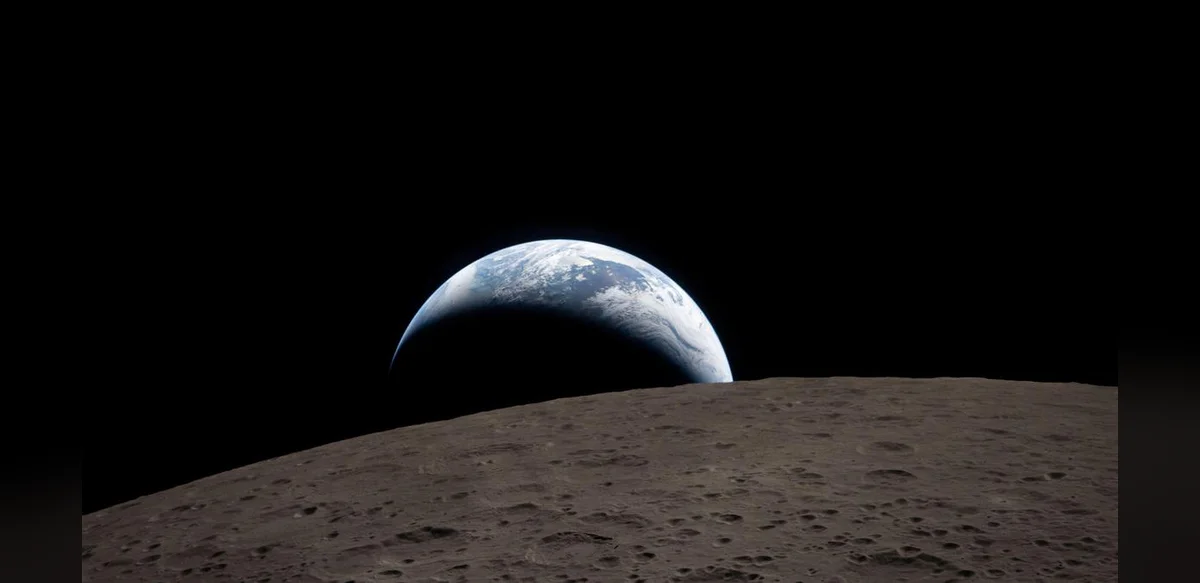
On September 14 1959 an object crafted by human hands made contact with the lunar surface for the first time. This probe later known as Luna 2 became the initial artificial creation from Earth to arrive at another celestial body. The achievement opened a new chapter in humanity’s efforts to explore beyond the planet. News of the success spread rapidly across continents and sparked widespread discussion about future possibilities in space travel.
The mission demonstrated that travel between Earth and the moon was achievable with existing technology of the era. Engineers and scientists had worked to ensure the probe could withstand the journey through space and complete its trajectory accurately. Upon impact the craft delivered its payload of scientific instruments and symbolic items intended to mark the occasion.
Global reactions varied from excitement in scientific communities to curiosity among the general public. Reports highlighted the technical precision required for such an endeavor and the implications for understanding the solar system. Observers noted that this event shifted perceptions about the reach of human ingenuity and the potential for further discoveries.
In the broader context of mid twentieth century advancements the landing underscored progress in propulsion systems guidance mechanisms and materials science. It served as a foundation for subsequent explorations that would build upon the lessons learned. Analysts at the time emphasized the collaborative nature of the project involving multiple disciplines working toward a shared objective.
The announcement prompted renewed interest in astronomy and related fields among students and researchers worldwide. Educational institutions began incorporating discussions of space achievements into curricula to inspire the next generation. Media coverage included diagrams and explanations aimed at making the complex engineering accessible to non specialists.
Over the decades that followed the significance of this early success continued to be recognized in historical accounts of space exploration. It illustrated the determination to overcome challenges such as distance communication delays and environmental hazards in vacuum conditions. The event remains a reference point for evaluating later missions that expanded on its achievements.
Public fascination with the moon grew as a result leading to increased support for research programs focused on planetary science. International observatories and amateur astronomers tracked related developments with heightened attention. The probe’s journey symbolized a collective step forward in expanding knowledge of the universe.
Technical reviews after the mission provided valuable data on trajectory calculations and impact dynamics. These insights informed refinements in design for future probes and vehicles. The overall outcome reinforced confidence in the feasibility of interplanetary travel despite the uncertainties involved.
Today the legacy of that September day endures as a testament to early innovations that paved the way for more ambitious undertakings. It continues to motivate ongoing efforts to study and visit other bodies in the solar system. The story of the first human touched object to touch the moon serves as an enduring reminder of exploration’s incremental yet profound nature.


