


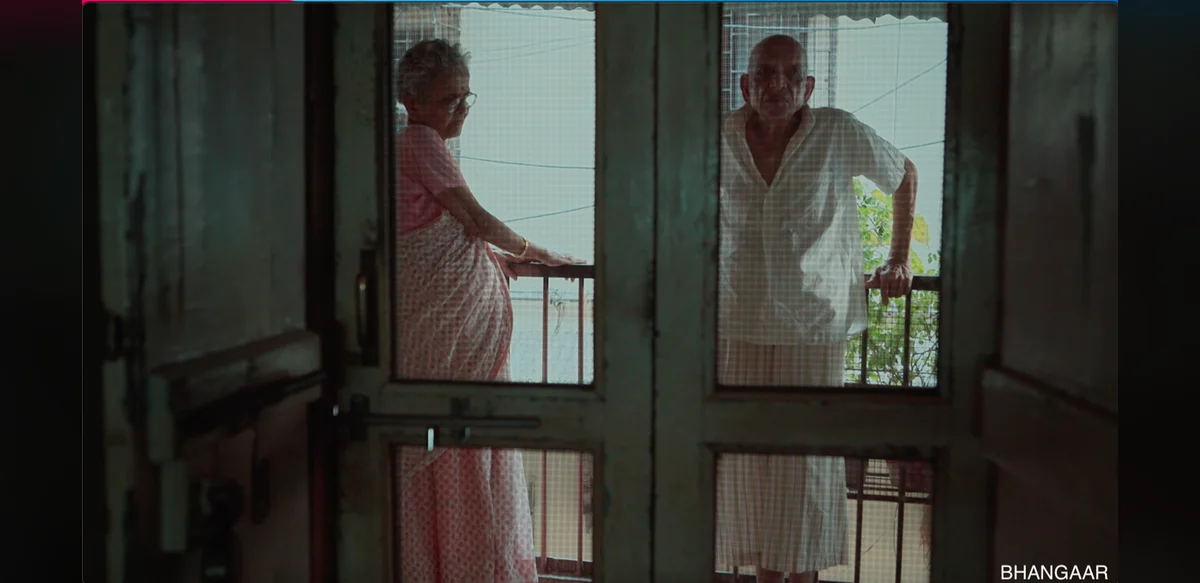
The 72nd National Film Awards have recognized a poignant documentary that addresses pressing issues surrounding aging and personal choice in contemporary India. The film, directed by Sumira Roy, centers on the experiences of an elderly couple known as the Lavates, who have publicly expressed their desire for euthanasia amid declining health and diminishing independence.
India’s demographic landscape is shifting rapidly, with the proportion of citizens over the age of sixty expected to rise significantly in the coming decades. This growth brings renewed attention to questions of healthcare access, family support systems, and individual rights in the final stages of life. The documentary uses the Lavates’ story as a lens to examine these broader societal changes without offering prescriptive solutions.
Roy’s approach emphasizes personal narratives over statistics. Through extended interviews and observational footage, the film captures daily routines, family interactions, and moments of quiet frustration experienced by the couple. Viewers witness how physical limitations and reliance on others can erode a sense of control, prompting difficult conversations about end-of-life options.
The National Award citation highlights the work’s sensitive handling of a topic often considered taboo. By focusing on real individuals rather than abstract policy debates, the documentary encourages audiences to consider the emotional and ethical dimensions of autonomy for older adults. It avoids sensationalism, instead presenting a measured portrayal grounded in the couple’s own words and circumstances.
Public discourse around euthanasia in India remains complex, shaped by legal precedents, cultural values, and varying interpretations of dignity. The film does not advocate for legislative change but documents one family’s request within this evolving context. Experts in gerontology and ethics have noted that such stories can contribute to greater awareness of the challenges faced by aging populations, particularly in regions where traditional family structures are undergoing transformation.
Production of the documentary involved close collaboration with the subjects over an extended period. Roy has stated in award-related remarks that the goal was to preserve the humanity of those featured while illuminating systemic gaps in support for the elderly. The resulting work has been screened at several domestic festivals prior to its national recognition.
As India’s elderly population continues to expand, stories like that of the Lavates underscore the need for thoughtful dialogue on quality of life, medical decision-making, and respect for personal agency. The award-winning film serves as a starting point for such conversations, inviting reflection on how society can better uphold dignity across all stages of life.
Additional context provided by census data and health ministry reports indicates that chronic conditions and mobility issues affect a growing number of seniors, often leading to increased dependence on caregivers. The documentary subtly connects these realities to the couple’s expressed wishes, illustrating the intersection of personal experience and demographic trends.
Critics have praised the film’s restrained visual style and its avoidance of emotional manipulation. Long takes and natural lighting allow the subjects’ environment to speak for itself, reinforcing the theme of lost autonomy without overt narration. This technique aligns with a tradition of observational documentary that prioritizes authenticity over dramatic reconstruction.
The recognition at the National Film Awards places the work alongside other entries that address social concerns through personal storytelling. Organizers noted that selections this year reflected a range of contemporary issues, including those related to health, family dynamics, and individual rights. For audiences interested in these themes, the documentary offers a focused case study rather than a comprehensive survey.
Future screenings and discussions are anticipated following the award announcement. Educators and community groups may find the film useful for prompting conversations about aging, ethics, and policy. While the Lavates’ specific situation remains unique, the broader questions it raises resonate with many families navigating similar circumstances across the country.

