


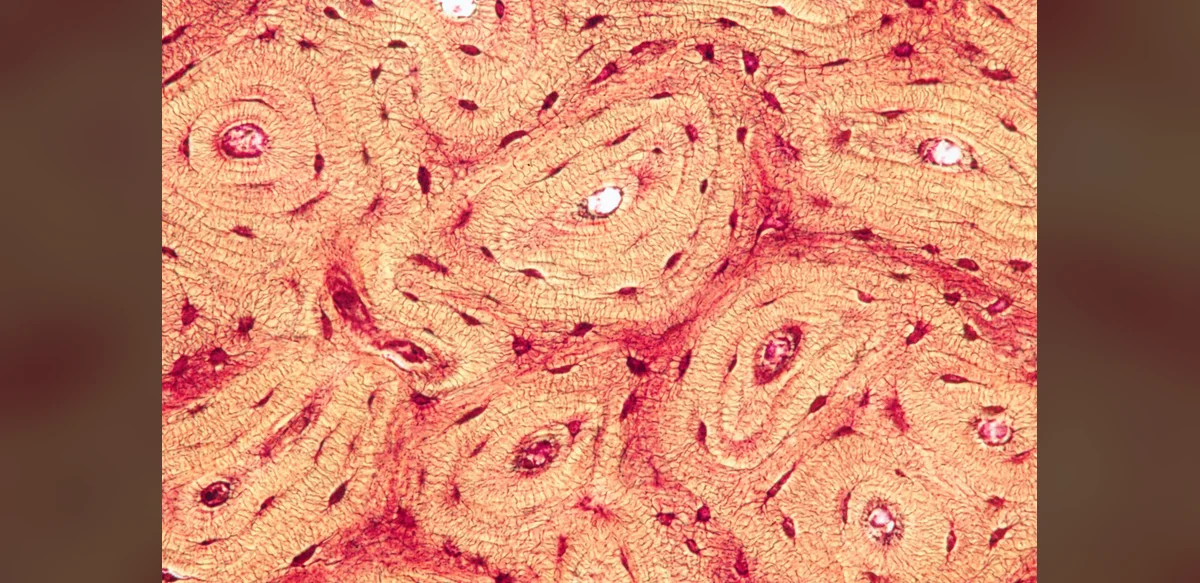
Recent experiments have explored how mechanical pressure applied to bones might influence recovery from traumatic brain injuries. In controlled studies involving mice and pigs, researchers observed improvements in both cognitive functions and motor abilities after compressing the shin bones of the subjects.
Traumatic brain injuries remain a significant medical challenge worldwide, often resulting from accidents or impacts that disrupt normal brain activity. Standard treatments focus on managing symptoms and supporting rehabilitation, yet many patients experience lasting effects on memory, coordination, and daily functioning.
The new approach centers on the release of specific molecules triggered by bone compression. When pressure is applied to the shin bones, certain biochemical signals appear to travel through the body and interact with brain tissue. This process seems to mitigate some of the damage associated with head trauma.
In the mouse trials, animals with induced brain injuries underwent brief periods of controlled bone compression. Follow-up assessments revealed better performance in tasks measuring learning, memory retention, and physical movement compared to untreated groups. Similar patterns emerged in the pig studies, where larger subjects allowed for more detailed monitoring of physiological responses.
Scientists noted that the improvements were measurable through standardized behavioral tests and neurological evaluations. The findings suggest that the molecules released during compression may help reduce inflammation or support neural repair mechanisms, though the exact pathways require further investigation.
These animal models provide a foundation for understanding potential human applications. However, translating results from rodents and larger mammals to clinical settings involves additional safety and efficacy testing. Researchers emphasize that the method remains experimental and is not yet available for medical use.
The studies highlight an innovative intersection between mechanical stimulation and neurological recovery. By focusing on bone-derived signals, the work opens avenues for non-invasive interventions that could complement existing therapies for brain trauma.
Ongoing research aims to identify the precise molecules involved and determine optimal compression parameters. Such details could refine the technique and assess its broader applicability across different injury severities.
Public health experts view these developments with cautious optimism, noting that any new strategy must undergo rigorous clinical trials before consideration in treatment protocols. The emphasis remains on prevention of brain injuries through safety measures while exploring supportive recovery options.
Overall, the observations from the animal experiments contribute to a growing body of knowledge on how the body’s skeletal system might influence brain health following trauma. Continued investigation will clarify whether this method can eventually aid patients recovering from traumatic brain injuries.

