


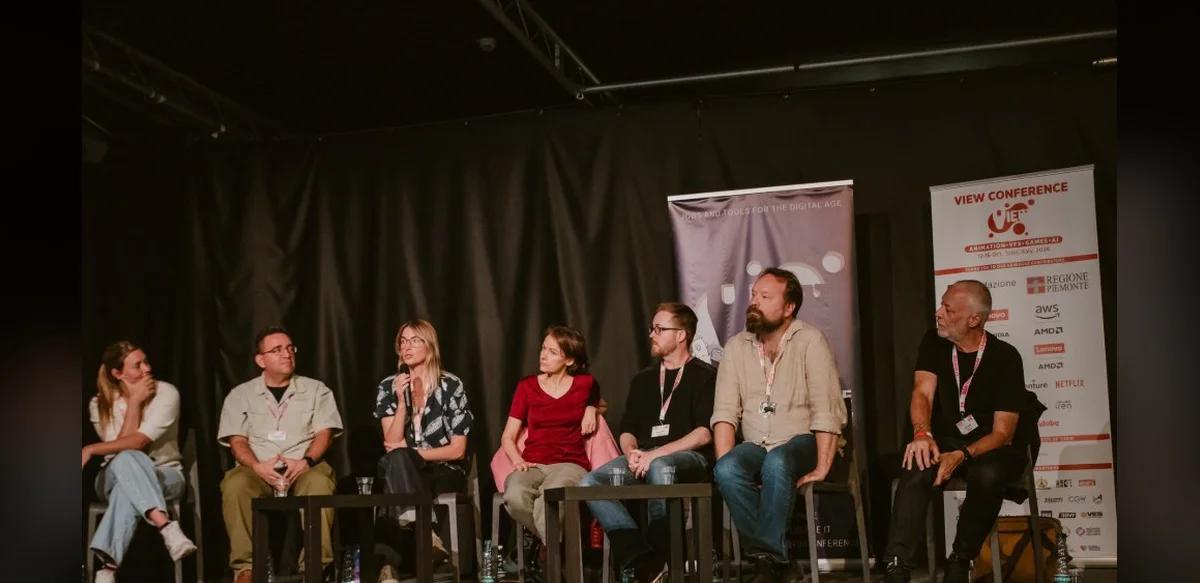
Professionals from leading visual effects studios gathered at the View Conference to examine how emerging digital tools are transforming both filmmaking and interactive entertainment. The discussions centered on virtual cameras, motion capture systems, and virtual reality applications that allow creators to blend traditional cinematic techniques with real-time game development processes.
Speakers highlighted the growing overlap between these fields, noting that technologies once confined to one medium now serve dual purposes. Virtual cameras enable directors to visualize scenes in three-dimensional space during pre-production, reducing the need for costly physical sets. This approach has streamlined workflows by permitting immediate adjustments to framing and lighting without repeated takes.
Motion capture continues to evolve as a bridge between performance and digital characters. Participants described refinements in markerless systems that capture subtle expressions and body language with greater accuracy. These advancements support more nuanced storytelling in both feature films and video games, where character interactions must feel authentic across extended narratives.
Virtual reality was presented as a tool for immersive previsualization and collaborative design reviews. Teams can now enter shared virtual environments to review sequences from multiple angles, fostering faster decision-making among directors, animators, and technical artists. The technology also opens new avenues for audience engagement, allowing viewers to experience stories from perspectives previously limited to flat screens.
The conference sessions emphasized practical integration challenges, such as maintaining consistent visual quality when assets move between game engines and film pipelines. Solutions discussed included standardized file formats and improved rendering pipelines that preserve detail regardless of the final delivery platform.
Attendees explored case studies demonstrating reduced production timelines when virtual production methods replace conventional shooting schedules. By capturing performances in controlled digital spaces, studios minimize location expenses and weather-related delays while retaining creative flexibility.
Future directions outlined during the event included deeper incorporation of artificial intelligence to automate repetitive capture cleanup tasks. This would free artists to focus on interpretive elements rather than technical corrections. Additionally, expanded use of cloud-based rendering was proposed to handle the increased computational demands of hybrid projects.
The overall tone of the presentations remained forward-looking yet grounded in current capabilities. Experts stressed the importance of cross-disciplinary training so that professionals in both industries can effectively utilize shared toolsets. Educational initiatives and workshop formats were suggested as ways to build these skills among emerging talent.
Discussions also touched on ethical considerations surrounding realistic digital doubles and the need for clear guidelines on consent and usage rights. As these technologies become more accessible, industry standards will play a key role in responsible adoption.
The View Conference concluded with calls for continued dialogue between cinema and gaming sectors. Organizers expressed optimism that ongoing collaboration will yield innovative storytelling formats that leverage the strengths of each medium while addressing technical and creative hurdles.
In summary, the event underscored a clear trajectory toward unified production ecosystems where virtual cameras, motion capture, and virtual reality serve as foundational elements. This convergence promises more efficient workflows and richer audience experiences across entertainment platforms.


