


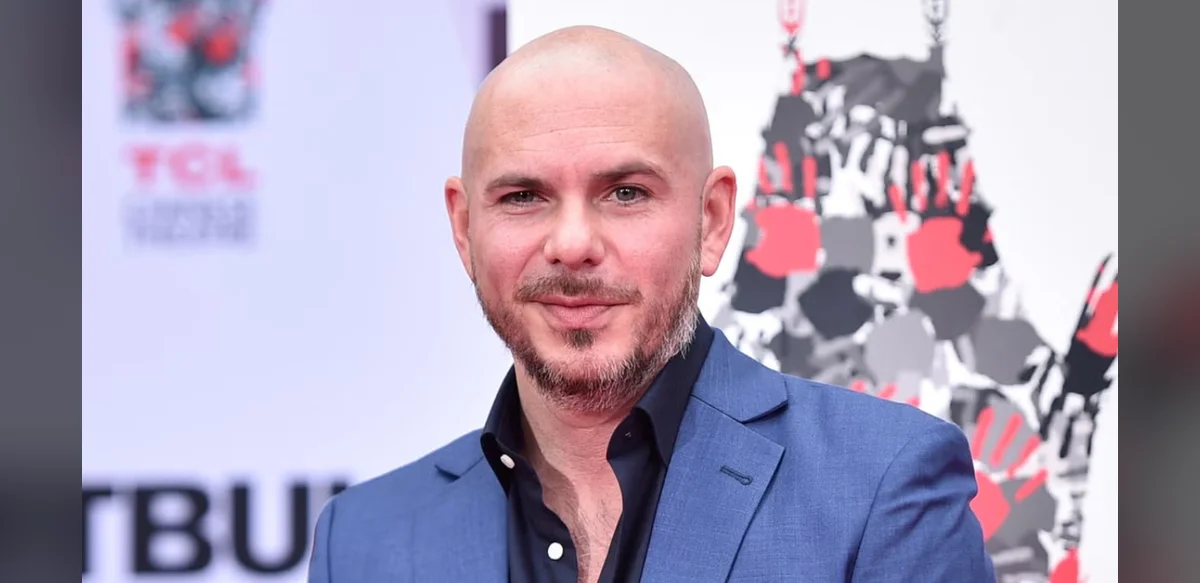
The American rapper known as Pitbull has shared insights into his approach to raising children while maintaining a high-profile career. He emphasizes the importance of allowing his kids to determine their own level of public visibility as they mature. This stance stems from a desire to shield them from potential challenges that could arise due to his fame.
In discussions about family life, the artist highlights concerns over how constant attention might affect his children’s everyday social experiences. He focuses on their overall well-being above all else, ensuring that their personal development remains unaffected by external pressures. Such decisions reflect a thoughtful balance between professional demands and parental responsibilities.
His protective measures extend beyond immediate family matters and appear to shape aspects of his creative output. Themes related to his children often find their way into his work, underscoring their significance in his personal and artistic evolution. This integration demonstrates how private priorities can influence public expressions in meaningful ways.
Observers note that this method offers lessons for contemporary parents navigating similar situations. By placing emphasis on consent and gradual exposure, individuals in the spotlight can foster environments where young ones grow with greater autonomy. The rapper’s example illustrates the value of deliberate choices in an era of widespread media presence.
Maintaining boundaries in such circumstances requires consistent effort and clear communication within the household. Pitbull’s reflections suggest that these strategies help preserve normalcy despite external interest. Families facing comparable dynamics may find guidance in prioritizing emotional security and individual choice.
Ultimately, the focus remains on long-term benefits for the children involved. Decisions made today aim to support healthy relationships and self-determination in the future. This perspective aligns with broader conversations about privacy in the lives of public figures and their loved ones.
Additional context reveals that the artist’s music continues to draw from these personal experiences, creating connections between his private world and artistic themes. Such influences add depth to his projects while respecting the limits he has set for his family. The approach serves as a reminder of the complexities involved in blending fame with family life.
Parents today often grapple with questions of visibility and protection in digital and traditional media landscapes. Insights from figures like Pitbull contribute to ongoing dialogues about effective strategies. By advocating for children’s agency, he promotes a model centered on respect and foresight.
The commitment to these principles appears steadfast, guiding both daily interactions and broader career decisions. It underscores a dedication to family that resonates with audiences interested in the human side of celebrity. Through measured statements, the rapper conveys the nuances of his choices without unnecessary elaboration.
In summary, this outlook encourages a measured response to public life, one that safeguards young family members while allowing for personal growth. The principles discussed hold relevance for many navigating the intersection of private and professional spheres.


