


The weekly newsletter from The Hindu focuses on making scientific topics accessible to everyone by presenting them in straightforward language free from complex terminology. This approach helps readers understand developments across various fields without requiring specialized background knowledge.
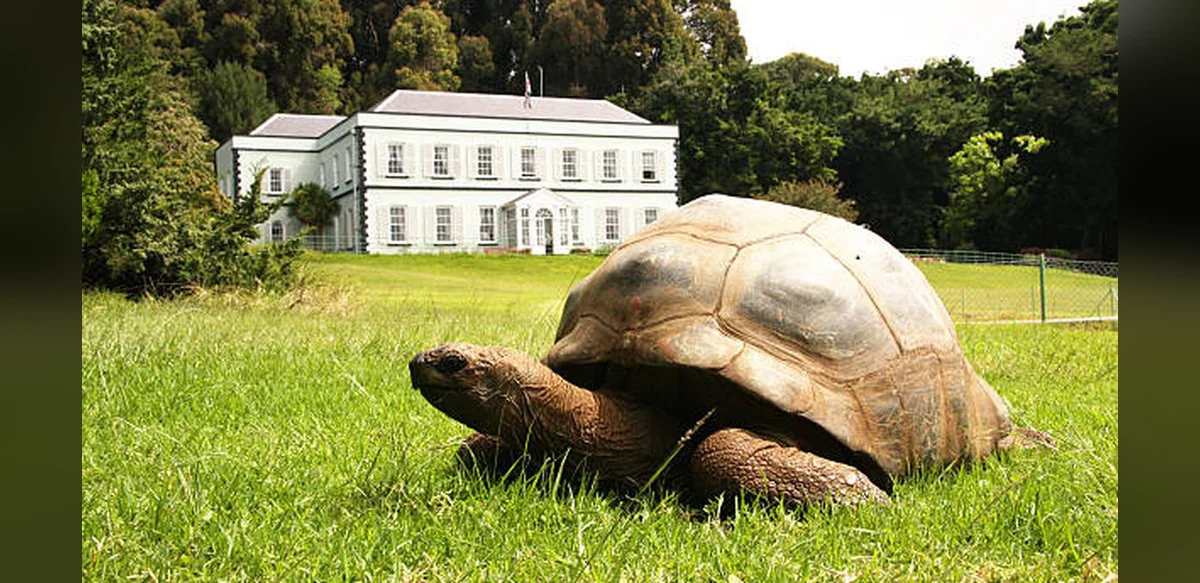
One recent highlight involves the story of a remarkably aged giant tortoise known as Jonathan. At approximately 198 years old, this creature has become a symbol of exceptional lifespan in the animal kingdom. The discussion centers on what allows such longevity rather than any sensational claims.
Giant tortoises belong to a group of reptiles noted for slow growth and extended lifespans. Their biology features a low metabolic rate which means the body uses energy at a reduced pace compared to many mammals. This slower pace can limit wear on cells and tissues over decades.
Diet plays a supporting role. These animals consume vegetation that provides steady nutrition without excess calories. Consistent access to plants rich in fiber supports digestive health across many years. In managed environments caretakers ensure the food supply remains balanced to avoid deficiencies.
Habitat conditions also contribute. Stable temperatures and protection from extreme weather help maintain steady body functions. When threats such as predators or habitat loss are minimized the animal can allocate resources toward maintenance rather than constant defense.
Scientific interest in these traits extends beyond one individual. Researchers examine similar patterns in other long-lived species to identify common factors. Observations include efficient DNA repair mechanisms and resistance to certain age-related changes. Such studies remain ongoing and emphasize observation over quick conclusions.
The newsletter format encourages questions from readers. By breaking down observations into everyday terms it invites broader participation in conversations about biology and natural history. This method aligns with the goal of widening access to information that might otherwise stay confined to academic circles.
Further sections explore related areas such as conservation efforts for tortoise populations worldwide. Habitat preservation and breeding programs aim to support species that face pressure from human activity. Success depends on combining local knowledge with scientific monitoring.
Readers are reminded that individual stories like that of an aged tortoise serve as entry points. They illustrate broader principles about life processes without overstating what is currently understood. Continued research will likely refine these insights over time.
Overall the publication maintains a consistent tone that prioritizes clarity. It covers topics ranging from basic life sciences to emerging questions in environmental studies. Each edition builds on the previous by reinforcing core ideas while introducing new examples.
The emphasis stays on evidence gathered through careful study rather than speculation. This foundation allows the content to remain reliable even as new data emerges from field observations and laboratory work.
By presenting material in this manner the newsletter supports informed public interest in science. It demonstrates that complex subjects can be approached through patient explanation and attention to detail.

