


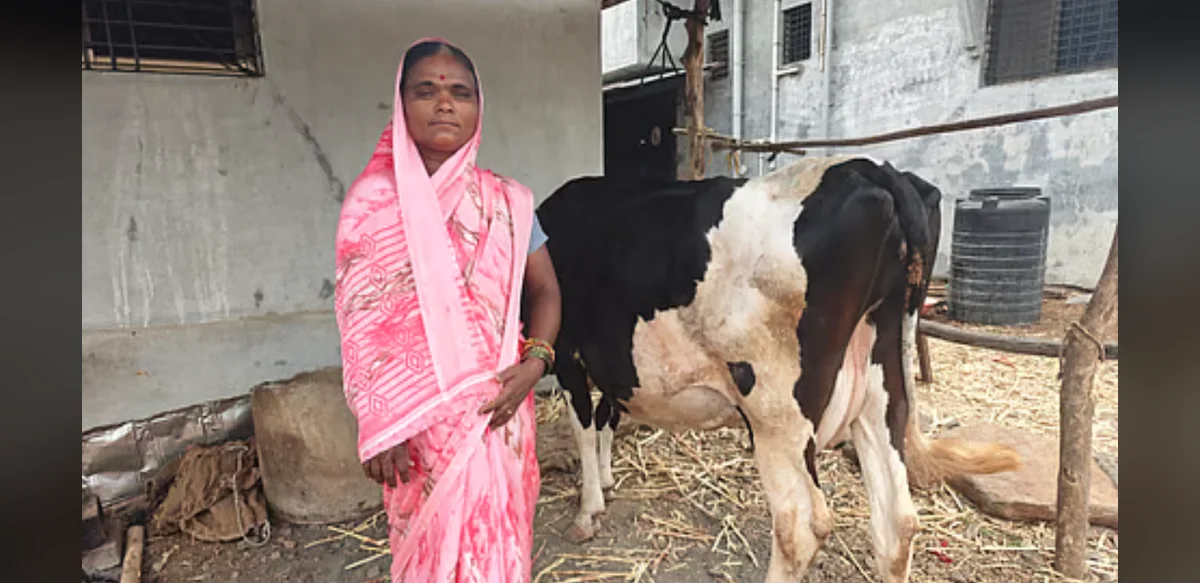
In the village of Pachod, a determined individual has reshaped traditional agricultural approaches to achieve notable improvements in output. Starting with modest daily earnings from manual labor in the fields, this person consistently set aside a portion of income each day despite limited resources. Over time, these savings and persistent efforts led to gaining oversight of family-owned land spanning twelve acres.
Early attempts at cultivation faced setbacks due to inconsistent results from the soil. Undeterred, the individual pursued formal control over the property and introduced updated techniques suited to local conditions. These changes focused on better resource management and timing of activities, resulting in stronger performance from cotton plants specifically.
Beyond single-crop reliance, the strategy expanded to include varied plant types. This shift aimed at long-term viability by reducing risks associated with weather or market fluctuations. The approach combined practical knowledge with careful planning to support ongoing productivity.
Annual earnings from these operations have reached approximately two lakh rupees, providing stability for the household. The transformation highlights how incremental daily discipline and adaptation can alter outcomes in rural settings. Community observers note the visible difference in field conditions compared to previous years.
Challenges included initial low returns and the need to balance immediate needs with future investments. By prioritizing savings even from small wages, the foundation for larger-scale management was established. Integration of improved methods addressed soil and yield issues directly.
The emphasis on diversification supports resilience against seasonal variations common in the region. Cotton output increased through targeted practices, while additional crops contribute to overall balance. This model demonstrates potential for similar small-scale operations seeking sustainability.
Local agricultural patterns often involve such transitions from labor roles to ownership responsibilities. The case in Pachod illustrates measurable progress through consistent application of revised strategies. Continued focus on these principles may influence neighboring areas over time.
Details of the journey underscore the role of personal initiative in overcoming early harvest disappointments. Securing land rights marked a pivotal step toward independent decision-making on cultivation choices. Advanced practices were selected based on observed needs rather than external trends.
The resulting income level reflects cumulative gains from both volume increases and crop variety. This outcome aligns with broader efforts in rural Maharashtra to enhance farm viability. The story remains grounded in practical steps taken over several seasons.
Further observations indicate that such changes require ongoing attention to soil health and water use. The twelve-acre holding now serves as an example of managed diversification within traditional frameworks. Annual figures provide a benchmark for assessing progress in comparable contexts.
Overall, the developments in Pachod center on methodical shifts from wage-based work to comprehensive land stewardship. The combination of savings habits, rights acquisition, and technique updates forms the core of the reported success. This narrative stays focused on verifiable elements without external embellishments.

