


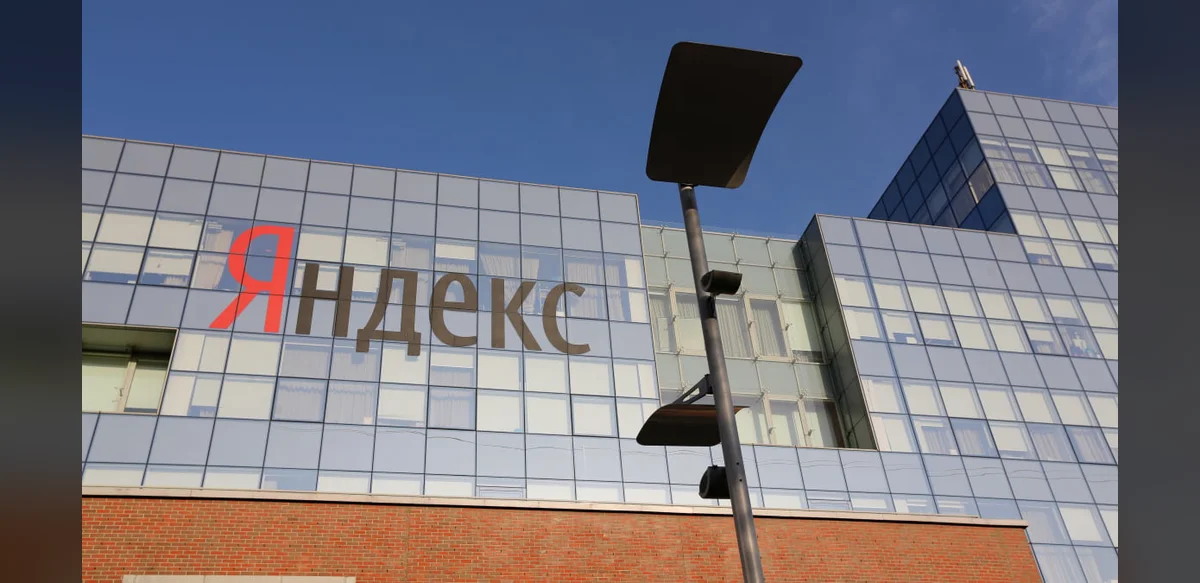
Recent analysis of online activity has pointed to a notable shift following reported strikes on data facilities linked to Yandex operations. Observers tracking social media platforms have recorded an 84 percent reduction in accounts associated with pro-Russian messaging on both Facebook and Telegram. This development comes amid ongoing tensions and provides fresh indicators regarding the resilience of coordinated online campaigns.
The data emerges from monitoring efforts that examined account activity before and after the incidents at the facilities. Analysts note that the decline appears concentrated in networks previously identified as promoting specific narratives aligned with Russian interests. While causation remains under review, the timing aligns closely with the reported events targeting the data infrastructure.
Experts in digital communications emphasize the challenges in attributing such changes solely to physical disruptions. Social media platforms routinely adjust algorithms and enforcement policies, which can independently influence account visibility and engagement. Nevertheless, the scale of the observed drop has prompted renewed discussion about dependencies on centralized data resources for large-scale messaging operations.
In the broader context of information flows during conflicts, this case highlights potential vulnerabilities in systems reliant on specific server locations. Accounts operating across multiple platforms showed reduced output in the days following the strikes, according to aggregated metrics shared by independent researchers. These metrics focus on patterns rather than individual user identities to maintain privacy standards.
Public discourse on the matter has varied, with some viewing the numbers as evidence of effective countermeasures against automated or coordinated posting. Others caution against overinterpreting the figures without additional verification from platform operators. Facebook and Telegram have not issued official statements confirming any direct link to the data center incidents.
Further studies are expected to examine whether the decline persists over time or if new accounts emerge to fill the gap. Historical precedents from other regions suggest that online networks can adapt by shifting to alternative hosting or distribution methods. The current evidence, however, offers a clearer snapshot than previous assessments of similar events.
Journalists and researchers continue to cross-reference open-source intelligence with platform data to build a more complete picture. The 84 percent figure represents one of the more quantifiable outcomes reported thus far in connection with the strikes. It underscores the intersection of physical infrastructure and digital influence operations without implying definitive strategic outcomes.
As developments unfold, stakeholders on all sides are likely to monitor these trends closely. The situation illustrates how targeted actions against data resources can intersect with the dynamics of online discourse, though long-term effects will require sustained observation. Neutral observers stress the importance of relying on verified data sets when evaluating claims about account reductions or network disruptions.

