


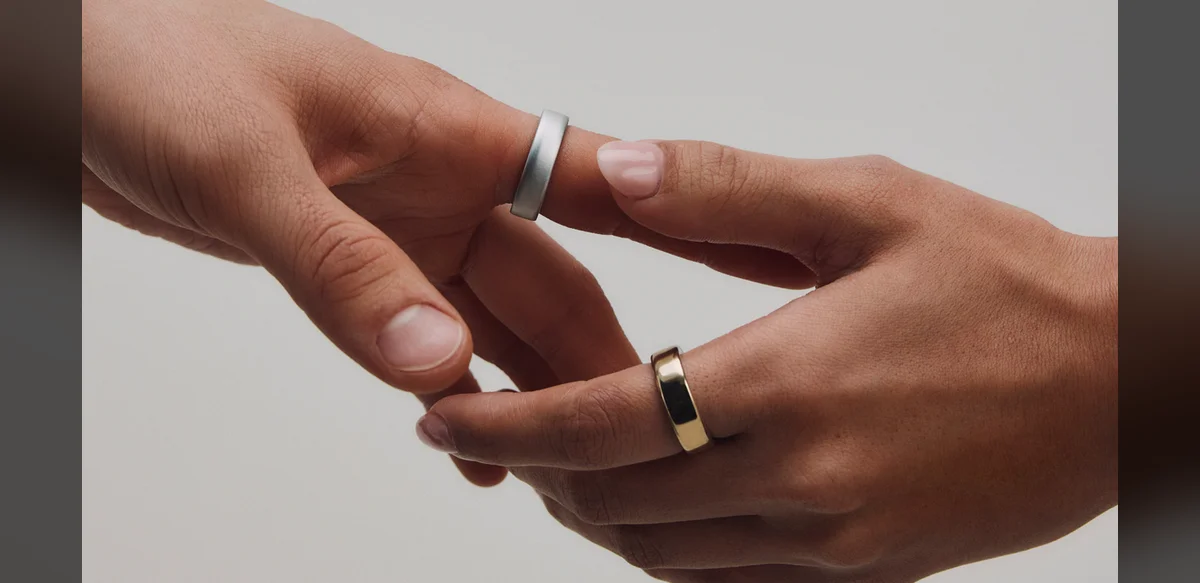
Wearable devices designed to monitor personal wellness have grown in popularity as people seek convenient ways to observe daily patterns. One such device, a smart ring, recently introduced updates aimed at users experiencing shifts in body composition due to certain medications. These updates intend to provide ongoing insights even as physical measurements evolve.
The ring in question fits snugly around the finger and collects data on various indicators. When body weight decreases noticeably, the fit can become less secure. This physical change raises questions about how accurately the device continues to function under altered conditions. The manufacturer has responded with features tailored to medications known as GLP-1 agonists, which often lead to reduced appetite and subsequent weight reduction.
Users have reported that their rings feel increasingly loose after starting such treatments. While the new software adjustments attempt to account for these developments, some observers note that hardware limitations may still affect performance. A ring that no longer sits properly could influence sensor contact and data reliability over extended periods.
Health tracking tools like this one operate by measuring signals close to the skin. Any gap created by a looser fit might introduce variability in readings. The company behind the product emphasizes that its latest options help maintain relevance during periods of change. However, the experience of individuals suggests that additional refinements could improve consistency.
Discussions around these devices often center on their role in supporting broader wellness goals. They provide feedback on sleep, activity, and recovery metrics. When paired with medical interventions that alter body mass, the technology must adapt to remain useful. The ring’s design prioritizes comfort and discretion compared to wrist-worn alternatives.
Industry analysts point out that consumer interest in such gadgets continues to rise alongside advances in medication options for metabolic health. Features addressing dynamic body states represent an effort to stay aligned with user needs. At the same time, practical issues like ring sizing highlight areas where further engineering might be beneficial.
The core promise of these wearables lies in delivering continuous, passive monitoring without requiring constant user intervention. As medications influence physical form, the accompanying technology faces the task of interpreting new baselines. This interplay between pharmaceutical effects and digital tools illustrates evolving intersections in personal health management.
Readers considering similar devices should evaluate how well they accommodate potential fluctuations. Manufacturers may explore modular components or adjustable elements in future iterations. Current offerings demonstrate progress, yet real-world application reveals opportunities for enhancement.
Overall, the situation underscores the importance of matching technological capabilities with the realities of human physiology under treatment. Continued observation and feedback from users will likely shape subsequent developments in this space. The ring serves as one example of how innovation in monitoring must keep pace with changes in medical approaches to weight and related conditions.

