


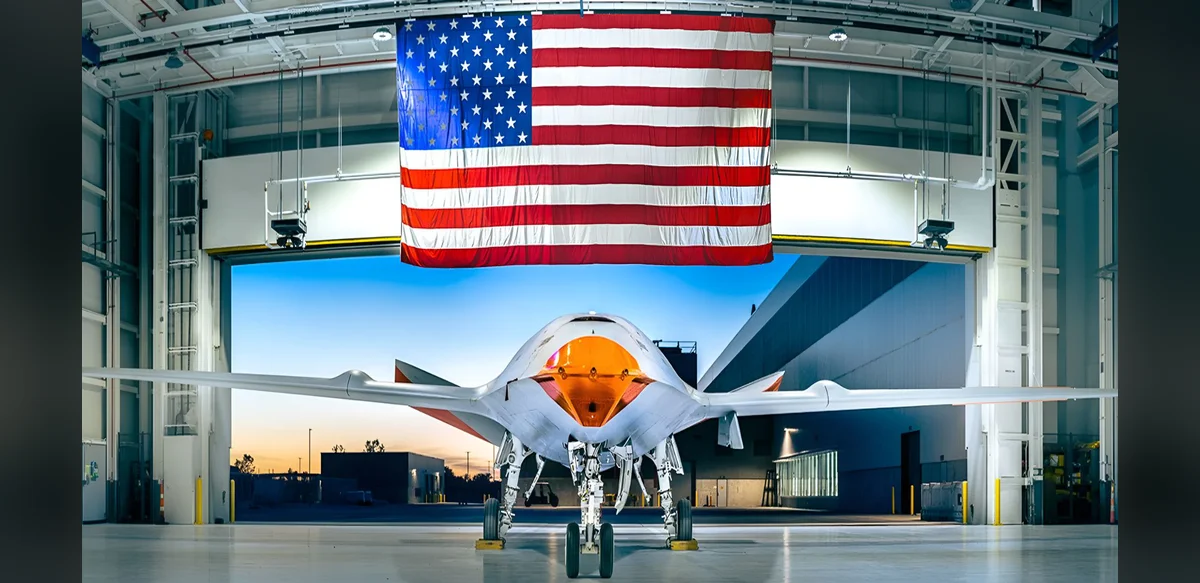
The United States Navy has successfully established a satellite-based control connection with an MQ-25A refueling drone positioned more than 2,100 miles away from an aircraft carrier. This development marks a notable step in remote operations for naval aviation assets.
The connection was formed using satellite communications, allowing operators to maintain command over the drone despite the substantial distance involved. The MQ-25A serves primarily as an aerial refueling platform designed to extend the range of carrier-based aircraft during missions.
Such long-range control capabilities could enhance flexibility in naval deployments by reducing the need for close proximity between control stations and the unmanned vehicle. The test demonstrated reliable data transmission and command execution across vast oceanic expanses.
Naval forces have been exploring advanced unmanned systems to support various operational needs, including logistics and reconnaissance. The MQ-25A program focuses on providing in-flight refueling services to manned fighters and other aircraft launched from carriers.
The achievement highlights ongoing efforts to integrate satellite technology with drone operations in maritime environments. By leveraging existing satellite networks, the Navy can potentially manage assets from distant command centers without direct line-of-sight requirements.
Further testing is expected to refine these control methods and assess performance under different conditions, such as varying weather or electronic interference. The current result provides a baseline for evaluating system reliability at extended ranges.
Aircraft carriers typically operate with a range of support vehicles and aircraft to maintain air superiority and logistical support. Incorporating remotely controlled refuelers could streamline these processes by allowing centralized oversight from secure locations.
The MQ-25A is engineered for compatibility with carrier flight decks and existing naval infrastructure. Its refueling role aims to increase the endurance of strike aircraft without requiring additional manned tankers.
This satellite link test underscores the importance of robust communication systems in modern naval strategy. Operators were able to issue commands and receive telemetry data in real time despite the separation of over 2,100 miles.
Continued advancements in this area may lead to broader applications for unmanned systems across different branches of the military. The focus remains on ensuring secure and stable connections that support mission-critical functions.
Overall, the Navy’s demonstration illustrates progress toward more autonomous and remotely managed aerial platforms. The specific distance achieved in this instance sets a reference point for future evaluations of similar technologies.

