


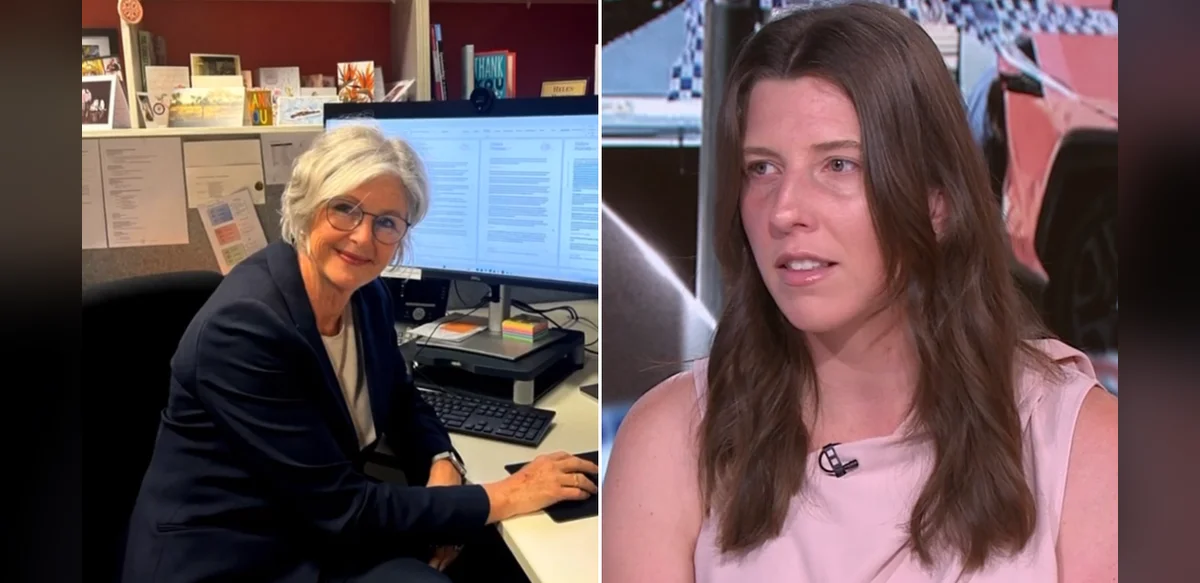
Recent events have prompted renewed discussions about the safety of women participating in Australian public life. An attack on an independent member of parliament has highlighted ongoing concerns regarding harassment and violence directed at female politicians.
The incident has drawn attention from various political figures who emphasize that such occurrences are not isolated. Many have pointed out that women across the political spectrum routinely face similar challenges in their professional environments.
One prominent voice noted that nearly all women involved in Australian politics have encountered some form of abuse during their careers. This observation underscores the widespread nature of the issue and the need for systemic responses.
Advocates are urging authorities to implement additional protective measures. These could include enhanced security protocols at public events, improved reporting mechanisms for threats, and greater awareness training within political institutions.
The conversation extends beyond individual cases to broader questions about inclusivity in governance. Ensuring that women can engage fully without fear of intimidation is seen as essential for democratic health.
Political analysts suggest that addressing these concerns may require collaboration across party lines. Joint initiatives could focus on legislative changes aimed at deterring abuse and supporting victims.
Public reactions have been mixed, with some expressing solidarity and others calling for more concrete actions rather than statements alone. Community groups have organized forums to discuss strategies for prevention.
Historical context shows that similar incidents have occurred in the past, leading to temporary spikes in attention but limited long-term reforms. Observers hope the current momentum will translate into lasting improvements.
Data from various studies indicate rising reports of online and in-person harassment targeting women in leadership positions. This trend affects recruitment and retention in political roles.
Experts recommend a multifaceted approach combining legal, educational, and technological solutions. For instance, better monitoring of digital platforms could reduce the spread of harmful content.
The affected politician has received messages of support from colleagues and constituents alike. Recovery efforts are ongoing, with emphasis placed on both physical and emotional well-being.
Looking ahead, upcoming parliamentary sessions may feature debates on related policy proposals. These discussions could shape future standards for conduct and accountability.
Overall, the episode serves as a reminder of the vulnerabilities faced by those in public service. Sustained efforts will be necessary to foster a safer environment for all participants regardless of gender.
Stakeholders continue to monitor developments closely, advocating for evidence-based interventions that prioritize prevention and support.

