


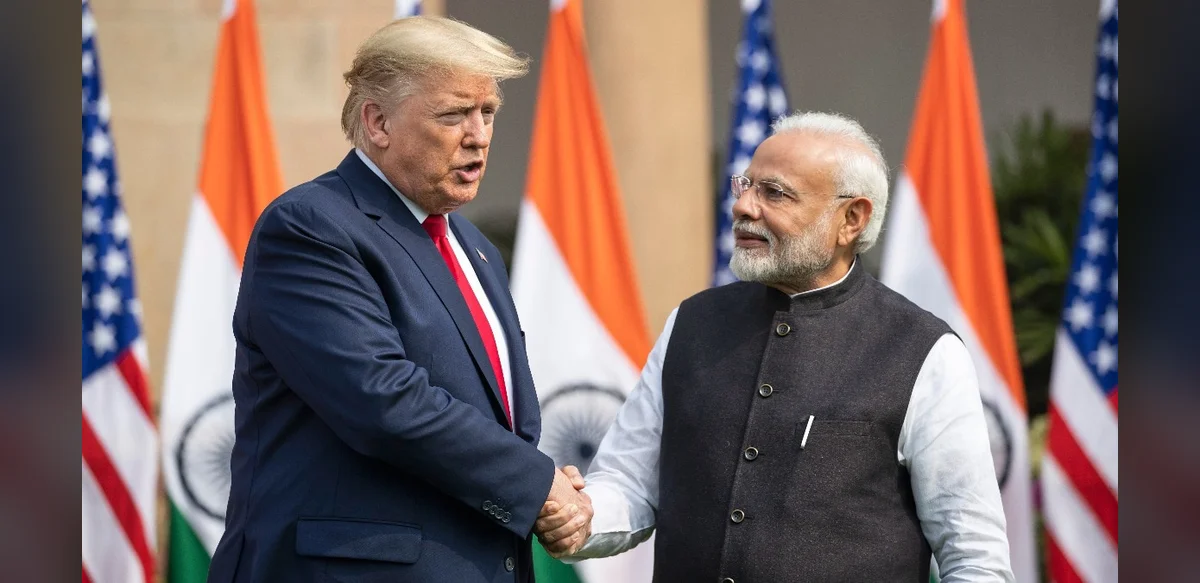
US President Donald Trump has indicated that a trade agreement between India and the United States is close to finalization. He noted that the pact would stand apart from previous deals in its structure and terms. The statement comes amid ongoing discussions aimed at strengthening economic ties between the two nations.
Trade relations between India and the United States have grown steadily over the years. Both countries have explored ways to reduce barriers and expand opportunities in key sectors such as technology, agriculture, and manufacturing. Officials from both sides have held multiple rounds of talks to address outstanding issues including tariffs, market access, and regulatory frameworks.
Trump emphasized that the upcoming agreement would introduce new elements not seen in earlier arrangements. This approach could allow for greater flexibility in addressing specific concerns raised by businesses and industries in each country. Analysts suggest that such differences might focus on digital trade, intellectual property protections, and supply chain resilience.
The potential deal has drawn attention from global markets. Investors are watching for signs of progress that could influence stock prices and currency values. A successful conclusion might also set a precedent for other bilateral negotiations involving major economies.
Indian officials have welcomed the positive signals from the US side. They have stressed the importance of balanced terms that benefit both partners equally. Discussions are expected to continue in the coming weeks with the goal of reaching a mutually acceptable framework.
Past trade pacts between the two countries have covered areas like defense cooperation and energy imports. The new agreement is anticipated to build on these foundations while introducing fresh provisions tailored to current economic realities. Experts believe this could lead to increased exports and job creation in various regions.
Challenges remain in aligning positions on sensitive topics. Both governments are working to resolve differences through dialogue and compromise. The emphasis on a distinct format suggests an effort to avoid repeating patterns from older deals that faced criticism.
Public statements from leaders on both sides reflect cautious optimism. Further details are likely to emerge as negotiations advance. The outcome could have implications for broader international trade policies in the Asia-Pacific region.
Business communities in India and the United States have expressed support for an early resolution. They highlight the need for clear rules that promote stability and predictability. Continued engagement at high levels is seen as essential to maintaining momentum.
Overall, the developments point to a period of active diplomacy focused on economic cooperation. The final agreement, once reached, will be closely examined for its long-term effects on bilateral relations and global commerce.

