


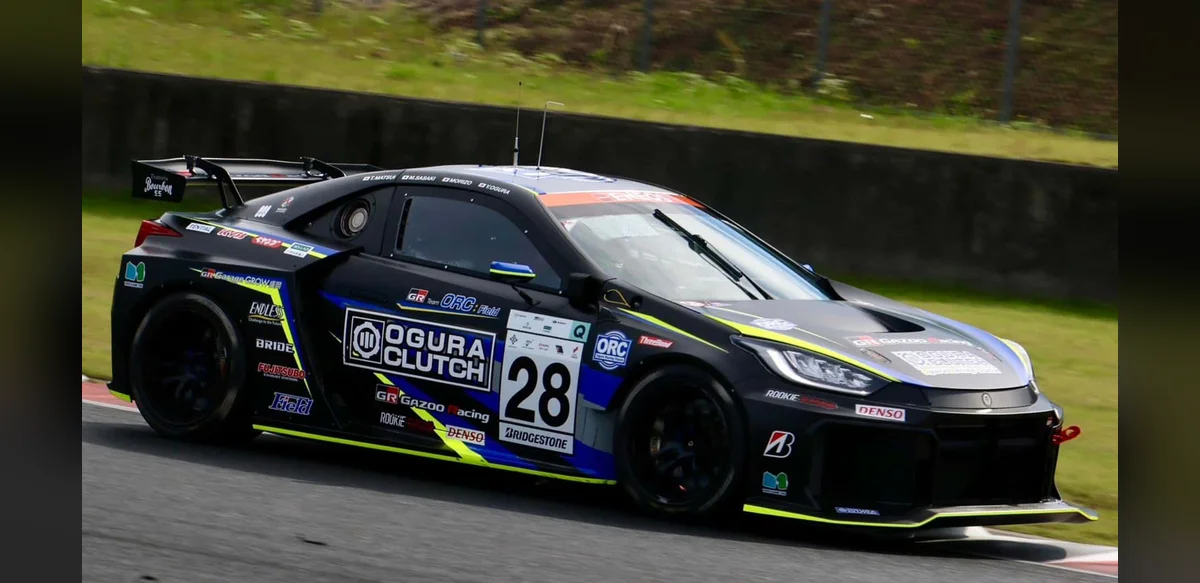
Toyota is progressing with efforts to create a new mid-engined sports car by using a specially adapted test model based on the GR Yaris platform. The vehicle under evaluation has been reconfigured from its standard hatchback form into a coupe shape. This adjustment supports further evaluation sessions scheduled for the coming weekend as part of broader development work on the next generation MR2.
The testing program focuses on gathering data about handling, balance, and performance characteristics in a racing environment. Engineers aim to refine the overall design through real-world track conditions. Such sessions allow the team to assess how the altered body style influences aerodynamics and weight distribution compared to earlier prototypes.
Industry observers note that converting the GR Yaris M into a coupe configuration represents a deliberate step in exploring different vehicle architectures. The original hot hatch layout has been set aside temporarily to prioritize the coupe silhouette during these trials. This approach enables direct comparison of driving dynamics ahead of finalizing elements for the production MR2.
Track time this weekend will provide critical feedback on suspension tuning and power delivery. Data collected will inform subsequent iterations of the prototype. Toyota continues to emphasize reliability and driver engagement as core priorities throughout the process.
The shift in body style also highlights the flexibility of the underlying platform. By adapting an existing model for these purposes, the manufacturer can accelerate certain phases of validation without starting from a completely new chassis. Observers expect additional test vehicles to appear in similar configurations as development advances.
Overall, the current phase underscores Toyota’s commitment to reviving the MR2 nameplate with modern engineering standards. Weekend activities at the circuit will mark another milestone in this ongoing project. Further updates are anticipated once initial results from the sessions are reviewed internally.
Additional context around the testing includes standard safety protocols and data logging equipment installed on the prototype. These measures ensure comprehensive monitoring of all vehicle systems during high-speed runs. The coupe body introduces new variables that the engineering group seeks to understand fully before moving to later stages.
Public interest in the project remains high given the heritage associated with the MR2 designation. Enthusiasts await official confirmation of specifications once the development cycle reaches completion. In the meantime, the modified GR Yaris M serves as a key tool for validating design choices.
The weekend event is expected to draw attention from automotive media and specialists monitoring Toyota’s motorsport-related activities. Results from these tests will likely influence decisions on final production features. Continued iteration remains essential to achieving the desired balance of performance and usability.
In summary, Toyota’s use of the reconfigured test vehicle demonstrates a methodical path toward introducing the next MR2. The coupe silhouette adopted for this round of evaluation represents a focused experiment within the larger program. Track sessions scheduled shortly will contribute valuable insights to the project team.

