


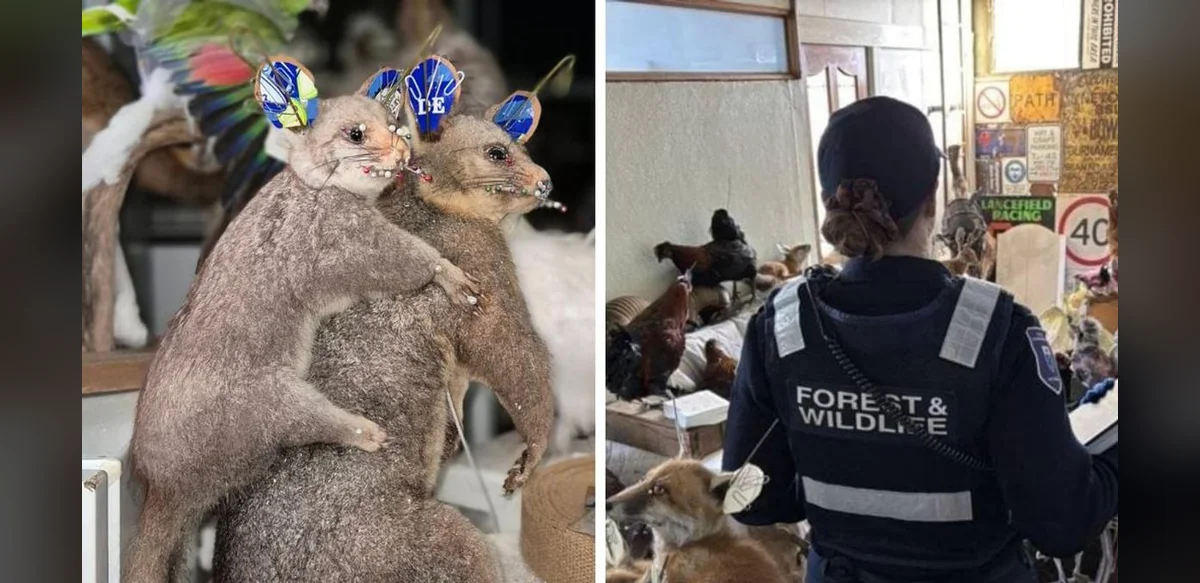
Authorities have disclosed details of an unusual case involving a man who maintained an illegal collection of hundreds of native animals. The animals were discovered in various states including frozen, stuffed and alive. Investigators located the items spread across fourteen separate freezers.
The discovery highlighted the extent of the hoard which included both preserved specimens and living creatures. Officials confirmed that the collection violated relevant wildlife regulations. As a result the individual faced legal consequences and received a financial penalty.
Reports indicate that the animals were native species and their possession in this manner was not permitted under existing laws. The case came to light after a search uncovered the freezers and their contents. No additional information regarding the origin of the animals or the duration of the collection has been released.
The matter was handled through standard legal proceedings with the focus remaining on the improper storage and possession of protected wildlife. The fine serves as the primary outcome in this instance. Further details about the specific species involved remain limited in public statements.
This incident underscores the importance of adhering to regulations concerning native fauna. Possession of such animals whether alive or preserved requires proper authorization which was absent here. The use of multiple freezers suggests a systematic approach to maintaining the collection over time.
Local agencies worked to document and address the situation ensuring compliance with applicable statutes. The outcome reflects a measured response to the violation without escalation to more severe measures. Public records note the fine as the resolution to the matter.
Observers note that cases involving large numbers of animals in unconventional storage can pose challenges for enforcement teams. In this situation the fourteen freezers provided clear evidence of the scale involved. The legal process concluded with the imposition of the penalty.
The revelation of the hoard has prompted reminders about the need for proper channels when dealing with wildlife. Individuals are encouraged to seek guidance from relevant bodies before acquiring or storing native species. This case stands as an example of enforcement action in response to unauthorized possession.
Overall the facts center on the discovery of the extensive collection and the subsequent fine. No other parties have been implicated and the focus stays on the single individual involved. The matter is now considered closed following the penalty.

