


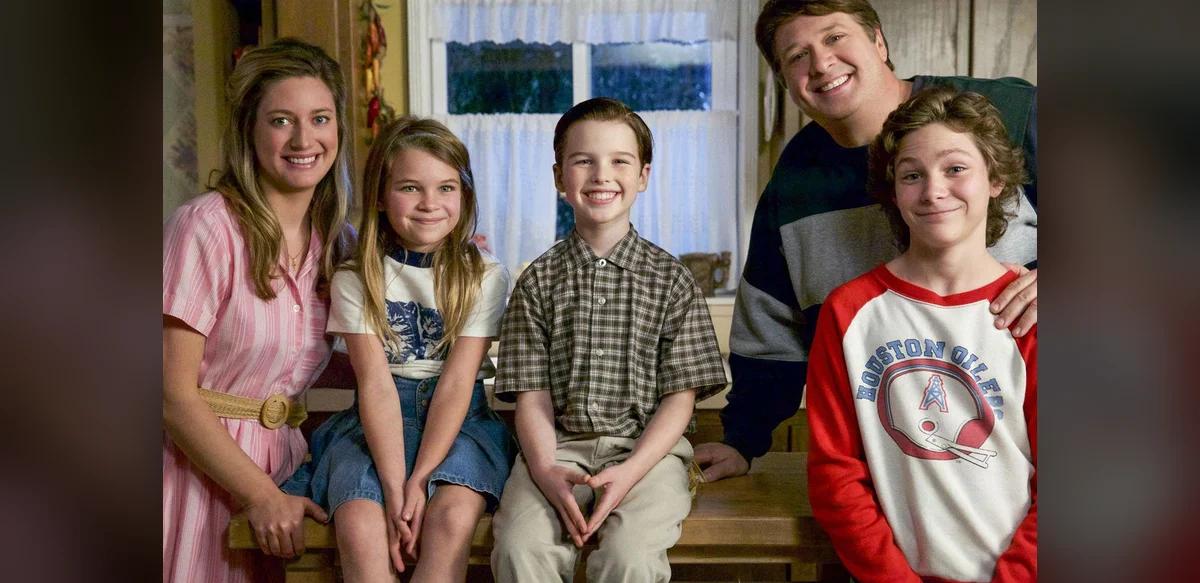
In a recent revelation about production practices on a well-known television comedy, the director has publicly acknowledged that the team overlooked a request from a young cast member for an intimacy coordinator. The admission highlights a lapse in addressing concerns raised during filming. According to the director, both he and other members of the production staff completely failed to act on the matter at the time it was brought forward.
The situation underscores the growing emphasis on support mechanisms for performers, particularly in scenes that may involve physical closeness or emotional vulnerability. Industry standards have evolved in recent years to include specialized roles aimed at ensuring comfort and consent on set. In this instance, the request was made explicitly because of unease, yet it did not receive the necessary follow-through.
Production of episodic television often involves tight schedules and multiple storylines advancing simultaneously. Crews must balance creative demands with the well-being of everyone involved, especially younger participants who may not have extensive prior experience. The director’s comments suggest that routine protocols were not triggered despite the clear signal from the cast member.
Observers note that such oversights can lead to broader discussions about training and awareness among directors and producers. Ensuring that all requests related to personal boundaries are documented and addressed promptly is now viewed as essential. The director expressed regret, stating that the issue was simply not handled appropriately when it first surfaced.
This case serves as a reminder of the responsibilities that come with managing large ensembles in serialized storytelling. Teams are expected to maintain open channels for feedback and to respond swiftly to any indication of discomfort. Failure to do so, as admitted here, can result in unnecessary strain during what should be a collaborative environment.
Further details about the specific scenes or timing remain limited, with the focus placed instead on the corrective lessons learned. The production has since implemented additional measures to prevent similar occurrences. These include mandatory reviews of all performer requests and integration of coordinators earlier in the planning stages.
The entertainment sector continues to refine its approaches to on-set safety and respect. Reports like this one contribute to ongoing conversations about best practices. By openly discussing the dropped ball, the director has contributed to greater transparency that may benefit future projects.
Ultimately, the incident illustrates how even well-intentioned teams can miss important cues under pressure. Addressing concerns proactively remains a priority for maintaining trust between cast and crew. The acknowledgment stands as an example of accountability in the field.

