


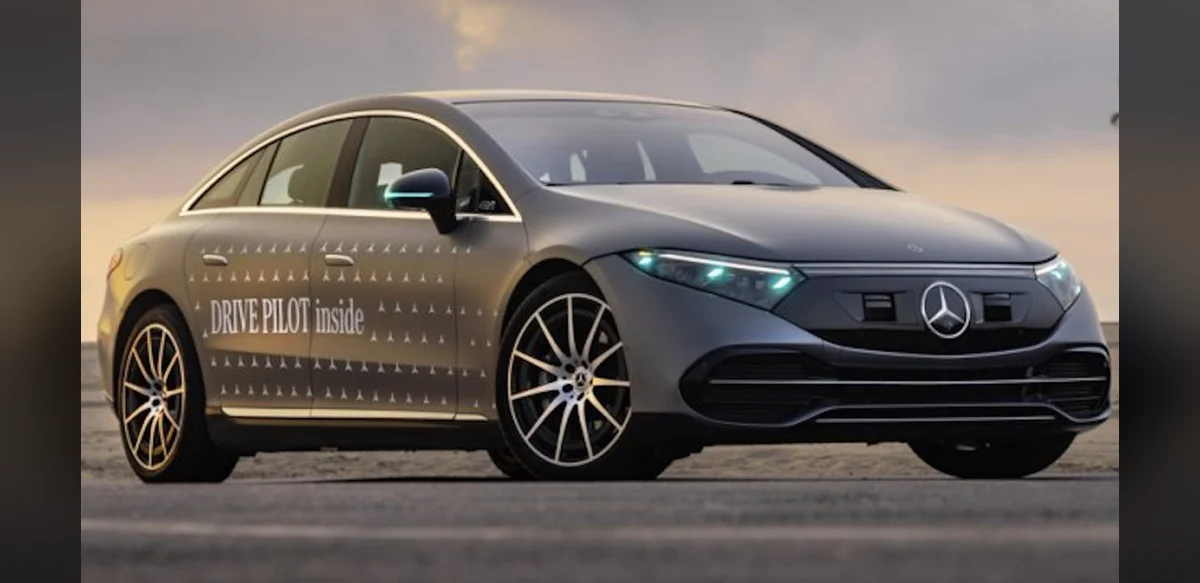
The National Highway Traffic Safety Administration has introduced a proposal outlining new equipment requirements specifically for vehicles designed to operate exclusively through automated driving systems. This initiative focuses on adapting traditional vehicle standards to accommodate designs that eliminate conventional manual controls. The changes address lighting specifications, including the potential use of cyan-colored lights to distinguish automated vehicles in various traffic conditions.
Under the proposed framework, vehicles without a steering wheel or other driver-operated mechanisms would follow revised guidelines for external signaling and identification features. These adjustments aim to enhance visibility and communication with other road users while maintaining overall safety protocols. Officials emphasize that the standards seek to support innovation in transportation technology without compromising established safety benchmarks.
One notable aspect of the proposal involves specifications that align closely with certain existing vehicle configurations. Currently, only one manufacturer produces a passenger car intended for public roads that lacks a steering wheel entirely. This unique design has prompted discussions about how regulatory updates might interact with particular engineering choices already in production.
The agency has invited public comments on the draft rules to gather input from industry stakeholders, safety advocates, and the general public. The review process is expected to examine practical implications for manufacturing, testing, and deployment of such vehicles. Proponents of the changes argue that clear regulatory pathways can accelerate responsible adoption of automated systems.
Critics, however, have raised questions about whether the timing and details of the proposal adequately address broader safety concerns associated with vehicles that operate without any human intervention capability. They suggest additional data collection and real-world testing may be necessary before finalizing equipment mandates.
Background on automated vehicle development shows steady progress in sensor technology, software algorithms, and integration with existing infrastructure. Regulatory bodies worldwide continue to evaluate how best to balance technological advancement with public safety priorities. In the United States, the NHTSA plays a central role in setting federal motor vehicle safety standards that apply across states.
The proposed lighting modifications, such as cyan indicators, represent one element within a larger set of potential updates. Other areas under consideration include modifications to mirrors, controls, and warning systems that traditionally assume the presence of a human driver. These revisions reflect an evolving understanding of vehicle operation in an automated context.
Industry observers note that regulatory clarity can influence investment decisions and product development timelines. Manufacturers working on automated technologies monitor such proposals closely to ensure compliance and competitiveness. The current draft appears tailored in ways that recognize the diversity of design approaches while highlighting specific configurations.
Further details on implementation timelines and enforcement mechanisms remain subject to the outcome of the comment period and subsequent agency decisions. Stakeholders are encouraged to submit evidence-based feedback to inform the final rule. This process underscores the importance of collaborative efforts between government and industry in shaping the future of mobility.
Overall, the initiative marks a step toward modernizing safety regulations for an emerging category of vehicles. Continued dialogue and analysis will help determine how these standards evolve to meet the needs of all road users. The focus remains on fostering safe, reliable automated transportation options through measured regulatory updates.

