


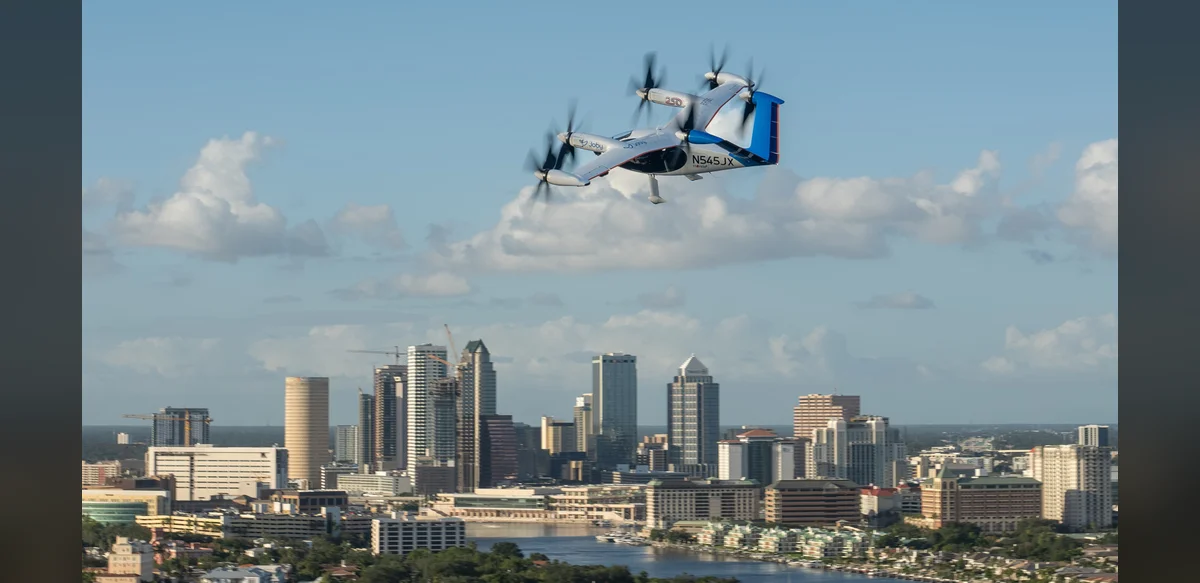
Authorities in Florida have started a series of piloted flights using electric vertical takeoff and landing aircraft. These operations aim to examine how such vehicles can integrate with existing airport procedures and to explore potential future flight paths in the region.
The trials represent an early step in assessing the practical use of electric air taxis within the state’s transportation network. Pilots are conducting the flights to gather data on performance, safety protocols, and coordination with conventional air traffic.
Electric vertical takeoff and landing craft offer the ability to depart and arrive vertically, which reduces the need for long runways. This characteristic could allow operations from smaller facilities or designated urban sites once regulatory frameworks are established.
During the current tests, crews focus on communication between the aircraft and ground control. They also evaluate navigation systems and energy consumption under real-world conditions typical of Florida’s climate and airspace.
The initiative supports broader efforts to determine whether these aircraft can eventually serve as a supplement to ground transportation. Planners are interested in routes that might connect airports with nearby population centers or business districts.
Observers note that successful integration requires careful alignment with federal aviation standards. The data collected will help identify any adjustments needed for scheduling, maintenance, and passenger handling procedures.
Florida’s varied geography, including coastal areas and inland corridors, provides a useful setting for these evaluations. Different weather patterns and terrain features allow testers to observe how the vehicles respond across a range of scenarios.
Stakeholders emphasize that the program remains in its initial phase. Further flights and analysis will be required before any decisions are made regarding commercial service.
The tests also examine ground infrastructure requirements, such as charging stations and passenger boarding areas. These elements must function smoothly alongside existing airport activities.
Public agencies and private operators are collaborating to ensure that safety remains the primary consideration throughout the evaluation period. Regular reviews of flight logs and system performance are part of the process.
If the trials proceed as planned, they could inform similar projects in other states. Lessons learned in Florida may contribute to standardized approaches for introducing electric air taxis nationwide.
The current scope is limited to piloted operations. Future stages might explore additional capabilities once initial results are reviewed and validated by relevant authorities.
Overall, the program reflects ongoing interest in sustainable aviation options that could reduce travel times for certain short-distance journeys while maintaining high safety levels.

