


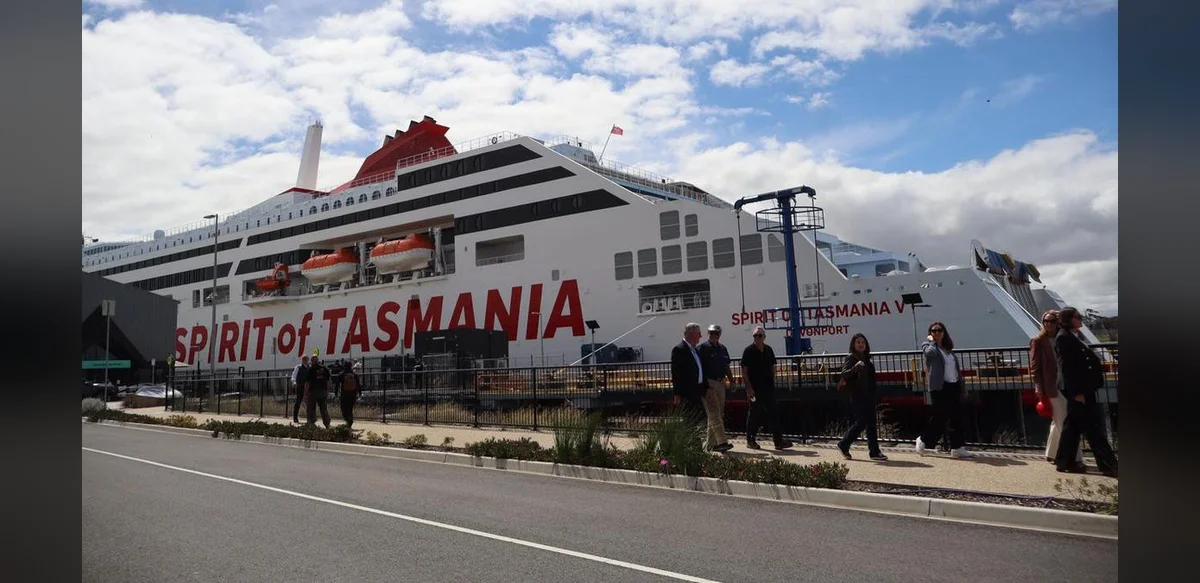
Passengers eager to experience the updated vessels gathered early at the terminal, forming lengthy queues that stretched for hours before the inaugural departure. The new ferries, designed for crossings over the Bass Strait, have finally entered service following extended periods of postponement and increased expenses during their development and delivery phases.
Observers noted a sense of anticipation among those waiting to board, as the ships represent a significant update to the existing fleet used for regular travel between Tasmania and the Australian mainland. Staff managed the boarding process methodically to accommodate the high volume of travelers who had arrived well in advance.
The introduction of these vessels comes after considerable challenges in the project timeline, which pushed back the original schedule and led to higher overall costs than initially projected. Despite these hurdles, the first sailing proceeded smoothly, marking the beginning of operational use for the new ships.
Travelers expressed satisfaction at finally being able to use the updated ferries, which are expected to provide improved capacity and comfort on the route. The event drew attention from local communities and regular commuters who rely on the service for both business and leisure purposes.
Authorities overseeing the operation confirmed that all safety and regulatory requirements had been met prior to the departure, allowing the historic first journey to take place without further interruption. The successful launch signals a new chapter for maritime transport across the Bass Strait.
Further sailings are scheduled in the coming days and weeks, with operators anticipating continued strong demand as awareness of the new vessels spreads among potential passengers. The project, though delayed, is now positioned to support ongoing connectivity needs in the region.
In the broader context of regional transport, the arrival of these ferries underscores ongoing efforts to modernize infrastructure used for essential sea links. Passengers boarding the initial trip highlighted the significance of the occasion, viewing it as a milestone after years of anticipation.
The vessels are set to operate on a consistent timetable, helping to facilitate movement of people and goods while addressing previous limitations associated with older ships. This development follows extensive planning and construction phases that ultimately extended beyond original estimates.
Local businesses near the departure points have noted increased activity tied to the event, as travelers prepared for their journeys. The overall atmosphere remained orderly, with clear communication from staff ensuring an efficient process despite the crowds.
As operations normalize, attention will likely shift toward evaluating performance metrics and passenger feedback on the new ferries. The first sailing, however, stands as a notable achievement in overcoming prior setbacks related to timing and budgeting.
Continued monitoring of the service will provide insights into how the updated fleet meets expectations for reliability and efficiency on Bass Strait routes. For now, the focus remains on the successful commencement of voyages with the new ships.

