


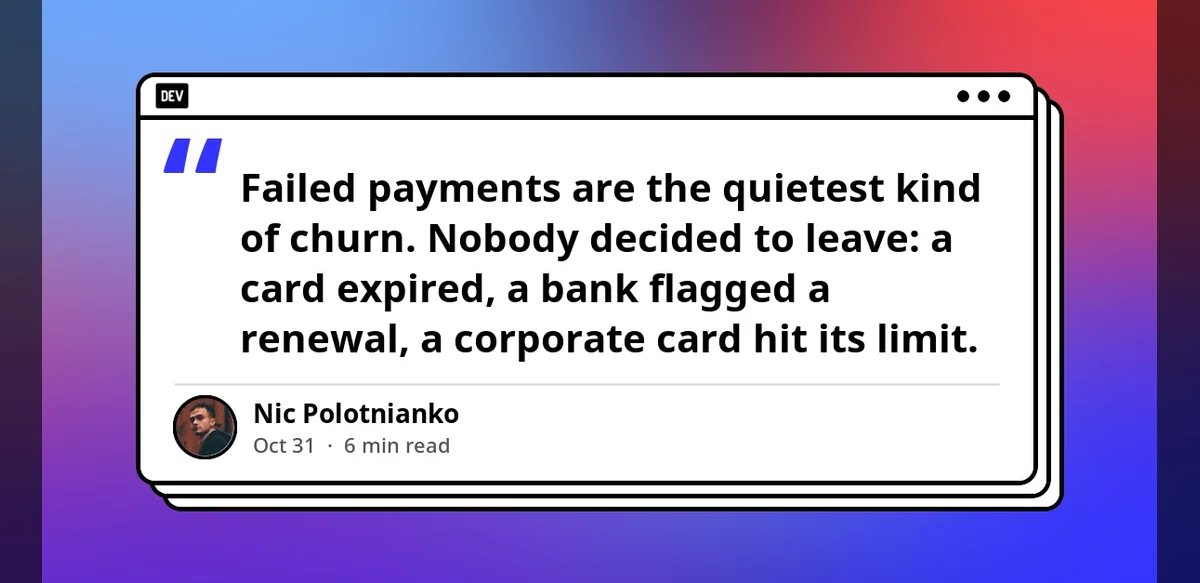
Payment processing platforms offer developers tools to handle unsuccessful transactions through automated notification systems. These systems allow businesses to create sequences of messages aimed at recovering funds from declined charges. The approach relies on listening to specific event triggers sent by the platform whenever a payment attempt fails.
Developers typically start by configuring endpoints that receive these triggers in real time. Common events include invoice payment failures and charge declines. Each event carries details such as the customer identifier, amount involved, and reason for the decline. Using this information, teams can decide the timing and content of follow-up communications.
The first message in the sequence is often sent immediately after the initial failure. It informs the customer about the issue and provides simple steps to update payment details. Subsequent messages follow at intervals of several days, gradually increasing urgency while remaining polite. Effective wording focuses on clarity, avoids blame, and emphasizes the value of continued service.
Edge cases require careful handling to prevent duplicate messages. For instance, if a customer updates their information between sends, the system must check the latest status before dispatching the next email. Logging all events and responses helps identify patterns that lead to repeated notifications.
Implementation in server environments involves libraries that simplify webhook verification and data parsing. Security measures such as signature checks ensure that incoming requests originate from the trusted platform. Testing with simulated failures allows teams to refine timing and copy before deployment.
Businesses report improved recovery rates when sequences are tailored to customer segments. Data analysis of past failures reveals common decline reasons, enabling more targeted messaging. Monitoring overall metrics like recovery percentage and unsubscribe rates guides ongoing adjustments.
Regulatory considerations include compliance with data protection rules when storing customer contact information. Clear opt-out options must be included in every message. Documentation from the platform outlines best practices for maintaining these standards.
Overall, structured notification flows represent a practical method for minimizing revenue loss from payment issues. By combining reliable event handling with thoughtful communication strategies, organizations can maintain positive customer relationships while addressing financial shortfalls efficiently.

