


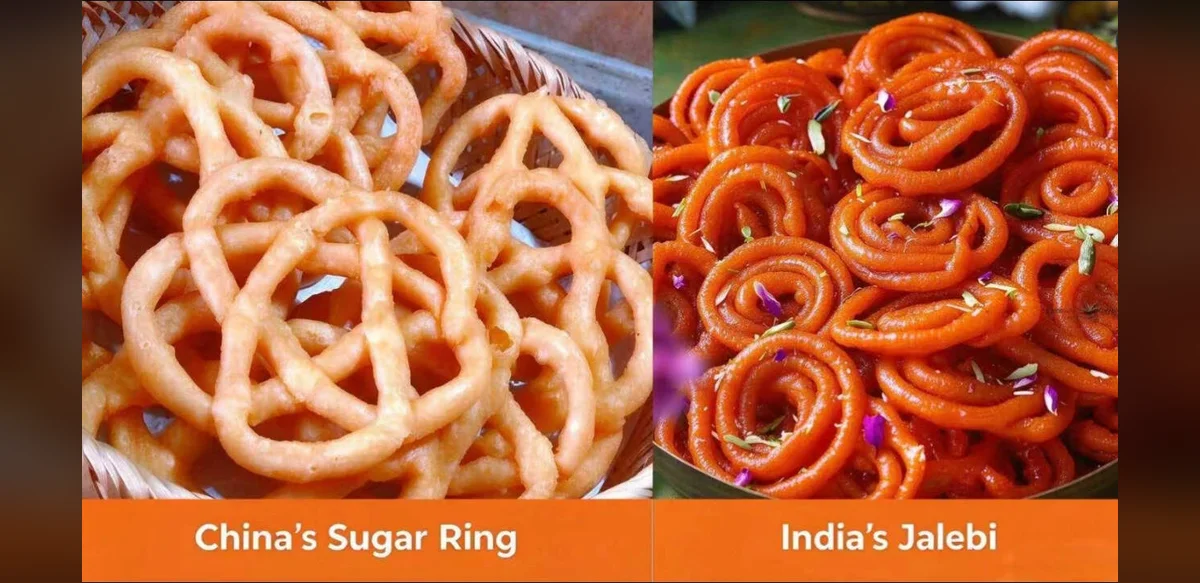
Fried sweets hold a special place in many culinary traditions around the world. Two notable examples include a popular Indian treat known for its spiral shape and syrup soak alongside a Chinese counterpart prepared using metal molds and egg-based batter. These confections share the appeal of being deep-fried and sweetened yet differ in their preparation techniques and regional origins.
The Indian version starts with a fermented batter that is piped into hot oil to form intricate coils. Once fried to a crisp golden hue the pieces are immersed in sugar syrup which allows them to absorb the sweetness fully. This method creates a texture that balances crunch on the outside with a soft interior. In contrast the Chinese variety relies on an egg batter poured into specialized metal forms that shape the dessert during cooking. The result is a structured form that offers its own distinct mouthfeel when enjoyed warm.
Social media platforms have recently drawn attention to these parallels highlighting how different cultures arrive at similar ideas for indulgent treats. Viewers often express delight upon discovering such connections which underscore the universal enjoyment of fried and sweetened foods. The variations in recipes reflect local ingredients and cooking customs adding depth to the overall experience of tasting these items.
Food enthusiasts appreciate how such sweets serve as windows into broader cultural practices. In India the spiral confection frequently appears during festivals and celebrations where it symbolizes prosperity and joy. Families gather to prepare or purchase it sharing the treat among relatives and friends. Similarly in China the molded version finds its way into everyday snacks and special occasions alike providing a comforting bite that evokes nostalgia for many.
Exploring these desserts reveals interesting insights about cross-cultural exchanges through cuisine. While the core concept of frying dough or batter and adding sweetness remains consistent the execution varies based on available tools and taste preferences. The Indian approach emphasizes fermentation for flavor development whereas the Chinese method focuses on precise molding for uniform shapes. Both techniques demonstrate creativity in transforming simple components into beloved indulgences.
The recent online discussions have encouraged people to try versions from different regions fostering greater curiosity about global foodways. Home cooks sometimes experiment with adaptations using local ingredients to recreate the experiences at home. This kind of engagement promotes understanding and appreciation for diverse culinary heritages without diminishing the uniqueness of each tradition.
Overall these fried confections exemplify how everyday foods can bridge distances between societies. Their shared characteristics invite reflection on common human desires for comforting flavors while their distinct methods celebrate regional ingenuity. As awareness grows through digital channels more individuals may seek out opportunities to sample both varieties side by side enhancing their knowledge of international sweets.
Additional considerations include the role of such treats in social gatherings where they facilitate conversations and connections among participants. Whether served at street stalls or family tables the desserts contribute to moments of shared pleasure. The contrast in batter composition and shaping processes further enriches the narrative around culinary diversity across Asia.
In summary the spotlight on these two sweets underscores the richness that arises from cultural differences in food preparation. Enthusiasts continue to celebrate the similarities and distinctions alike recognizing the value each brings to the table. This ongoing dialogue through media helps preserve and promote traditional recipes for future generations to enjoy and adapt thoughtfully.

