


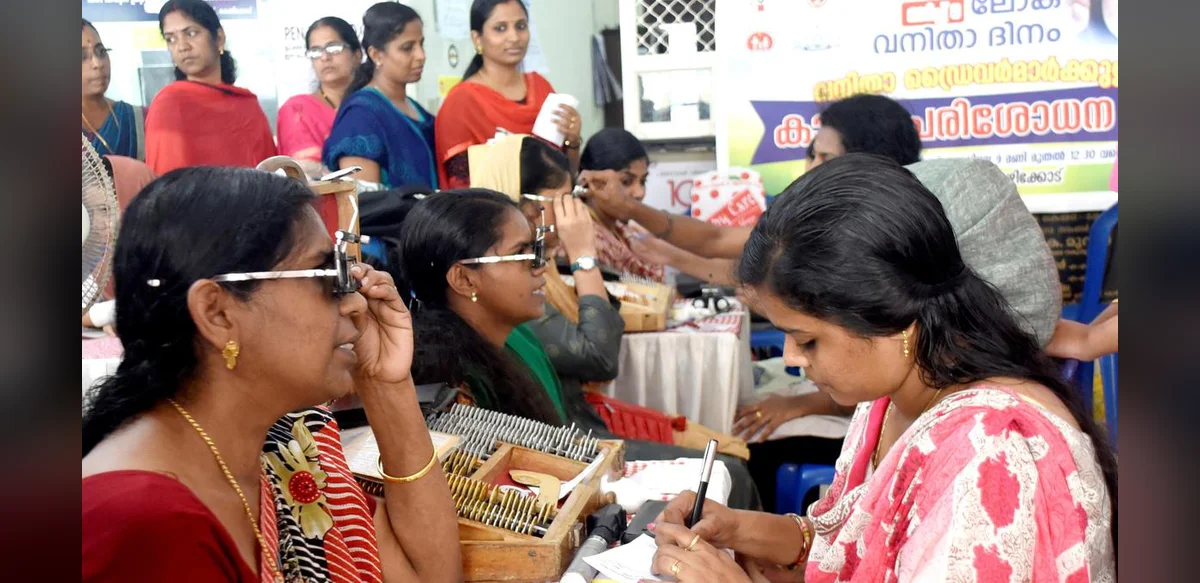
In India, disparities in eye health services affect women throughout their lives, beginning in childhood and continuing into later years. These differences arise largely because decisions about medical treatment often rest with male family members who determine priorities for household resources.
From an early age, girls may receive less attention for vision concerns compared to boys. Families sometimes view eye examinations as less urgent for female children, leading to delayed identification of issues that could otherwise be addressed promptly. As women grow older, similar patterns persist, with their own health needs frequently placed behind those of spouses or other relatives.
Access to treatment hinges on how household decision makers allocate limited funds and time. When eye care ranks low on the list of family concerns, women may forgo checkups or corrective procedures. This approach can result in conditions that remain untreated until they cause lasting damage.
Preventable vision loss occurs when early intervention is overlooked. Simple measures such as regular screenings or basic corrective lenses could preserve sight, yet these steps are skipped when resources favor other members of the household. The outcome leaves many women facing unnecessary impairment that affects daily activities and independence.
Communities across the country report similar experiences, where cultural expectations shape health choices. Women often accept these limitations without question, reinforcing cycles that limit their opportunities for timely care. Public awareness efforts aim to highlight these patterns, encouraging families to reconsider how they distribute medical attention.
Health workers note that outreach programs targeting women directly can help bridge gaps. Mobile clinics and community education sessions provide information on eye health without requiring approval from others in the home. Such initiatives seek to empower individuals to seek assistance earlier.
The broader implications extend beyond individual cases. When women experience avoidable vision problems, families and local economies feel the effects through reduced productivity and increased caregiving demands. Addressing these access barriers supports overall community well-being.
Efforts to improve equity in eye services continue through partnerships between local organizations and health authorities. These programs focus on making examinations more available in underserved areas while promoting discussions about shared responsibility for family health decisions.
Data from various regions indicate that closing these gaps requires sustained attention to social factors influencing care. By recognizing how gender influences priorities, interventions can be designed to reach those most affected.
Ultimately, ensuring equal consideration for eye health across all household members stands as a key step toward reducing preventable impairment. Continued focus on these issues can lead to more balanced access for women at every stage of life.

