


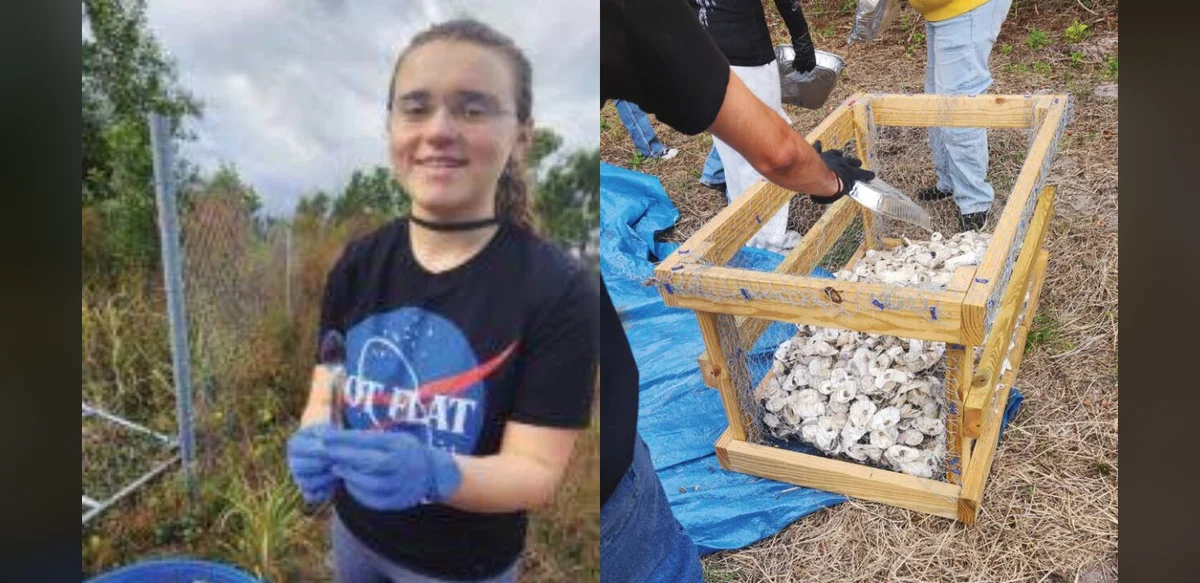
A dedicated effort to collect discarded oyster shells has gained momentum in Florida thanks to the initiative of a local student. The project brought together sixty volunteers who worked over several days to gather materials that can support coastal restoration activities.
The drive focused on recovering shells from restaurants and seafood markets that would otherwise end up in landfills. Participants sorted and cleaned the shells before delivering them to designated collection points. Organizers explained that the shells can later be used in projects aimed at rebuilding oyster reefs, which play an important role in filtering water and protecting shorelines from erosion.
Volunteers ranged from high school students to community members interested in environmental improvement. They met early each morning and divided into small teams to cover different locations. The work involved careful handling to avoid damage to the shells and to maintain hygiene standards throughout the process.
Local environmental groups welcomed the contribution. They noted that oyster reefs have declined in many areas due to pollution, overharvesting, and changing water conditions. Reusing shells helps accelerate the recovery of these habitats without requiring new materials to be sourced from distant quarries.
The student who coordinated the drive described the experience as both educational and rewarding. Planning required contacting businesses, arranging transportation, and training volunteers on proper collection methods. Despite the logistical challenges, the turnout exceeded initial expectations.
Weather conditions remained favorable during the main collection period, allowing teams to work efficiently. Breaks were scheduled to prevent fatigue, and safety briefings were held each day. Participants received guidance on identifying suitable shells and avoiding contamination from non-organic waste.
After collection, the shells were transported to a processing facility where they will undergo further cleaning and curing. Once prepared, they can be placed in targeted restoration sites along Florida’s coastline. Scientists involved in similar projects have observed increased biodiversity in areas where such efforts have been implemented.
Community response has been positive, with several businesses expressing interest in future participation. The drive also raised awareness about the importance of sustainable seafood practices and waste reduction. Organizers hope to repeat the event on a larger scale in coming months.
Funding for supplies and transportation came from small donations and support from local civic organizations. No large corporate sponsorship was involved, keeping the project community-driven. Volunteers contributed their time without compensation, motivated by the potential ecological benefits.
The success of this initiative highlights how individual action can contribute to broader environmental goals. By focusing on a simple yet effective method of material reuse, the effort demonstrates practical steps toward habitat conservation. Similar programs in other coastal regions have shown measurable improvements in water quality and marine life populations over time.
Continued monitoring will determine the long-term impact of the collected shells. Researchers plan to track oyster settlement rates and associated species diversity at the restoration sites. Data gathered could inform future collection drives and refine techniques for maximum effectiveness.
Participants expressed satisfaction with the outcome and indicated willingness to join additional events. The project served as a learning opportunity for many, providing hands-on experience with conservation methods. Educational materials distributed during the drive explained the ecological role of oysters and the challenges facing coastal ecosystems.
Overall, the drive achieved its primary objective of mobilizing community resources for a meaningful cause. With sixty volunteers contributing, a substantial volume of shells was secured for upcoming restoration work. The effort underscores the value of youth leadership in addressing local environmental concerns through organized, practical action.

