


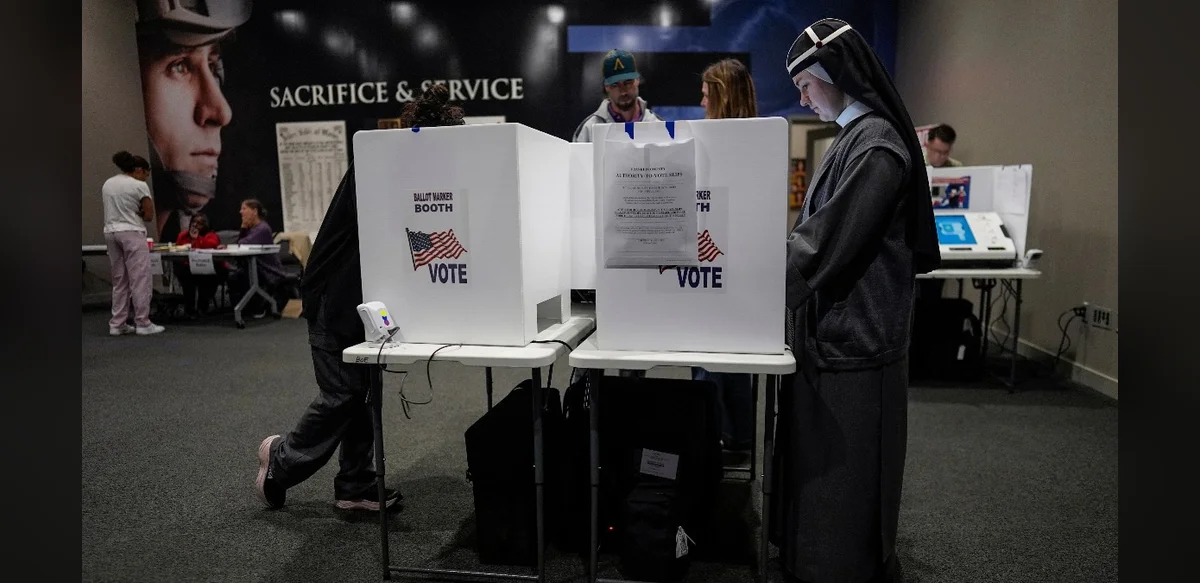
In a significant development during the ongoing midterm elections, the Senate seat in South Carolina has shifted to Democratic control for the first time in thirty years. This outcome marks a notable change in the state’s political landscape, which has long been dominated by Republican representation at the federal level.
The election results reflect broader national trends observed across multiple states as voters cast ballots to determine the balance of power in Congress. Analysts note that such shifts can influence legislative priorities in the coming term, including areas such as economic policy, healthcare access, and infrastructure development.
Historically, the seat had remained under Republican hold since the early 1990s, with successive candidates maintaining strong support in both urban and rural districts. The recent contest featured competitive campaigning focused on local issues like job growth, education funding, and environmental concerns affecting coastal communities.
Voter turnout played a key role in the final tally, with participation rates varying across different regions of the state. Election officials reported smooth operations at most polling locations, though some areas experienced longer wait times due to high volume.
National party leaders from both sides have commented on the result, highlighting its potential implications for future electoral strategies. Democrats view the win as evidence of shifting voter preferences, while Republicans emphasize the need to reassess outreach efforts in traditionally supportive areas.
The midterm process continues in other states, with additional Senate and House races still undecided. This particular outcome in South Carolina adds to the dynamic nature of the overall election cycle, where control of legislative chambers remains a central focus.
Observers expect further analysis in the coming days regarding demographic voting patterns and the influence of key policy debates on the results. The certified outcome will determine the state’s representation in the upper chamber of Congress for the next term.
Local reactions have been mixed, with supporters of the winning candidate expressing optimism about renewed attention to certain state-specific challenges. Meanwhile, discussions continue regarding the broader context of national politics and how individual state results contribute to the larger picture.
As more data becomes available from election authorities, detailed breakdowns of vote margins and precinct-level performance will provide additional insights into the factors behind the seat change. This event underscores the competitive nature of American elections and the impact of citizen participation.
The transition of power will involve standard procedural steps, including certification and the seating of the new senator. Attention now turns to how this development may affect committee assignments and legislative agendas in the Senate.

