

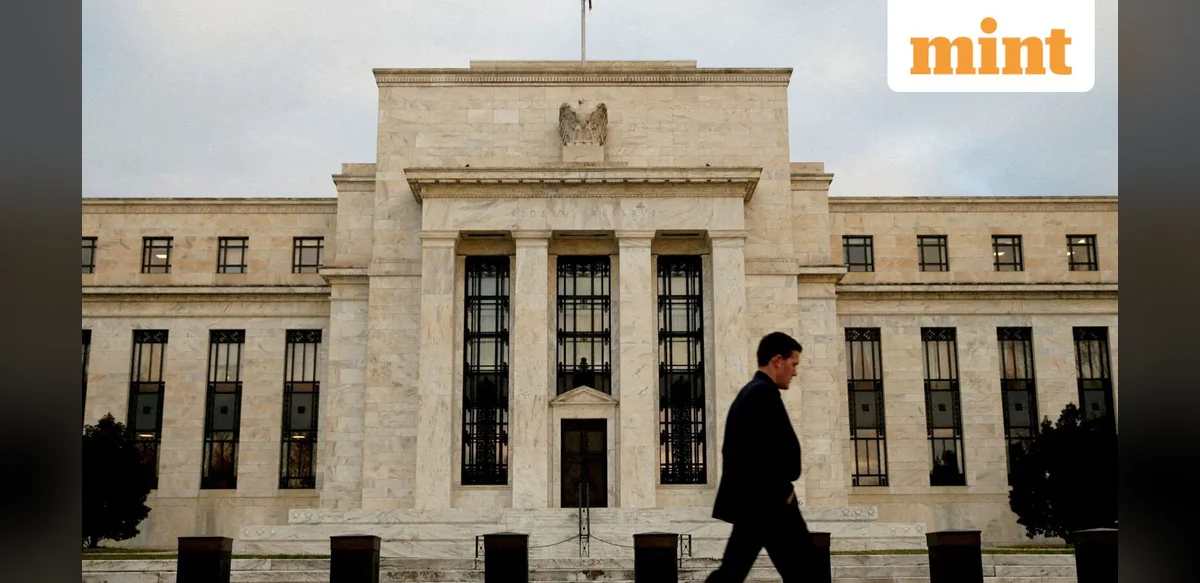
Recent midterm election results appear to signal a potential deceleration in technology infrastructure investments, particularly in large-scale computing facilities. Analysts suggest this shift could contribute to moderating price pressures across the broader economy. The outcome provides the central bank with greater latitude to adjust interest rates upward if needed, while simultaneously reducing some of the urgency that might have otherwise driven such actions.
Observers note that the political landscape following the elections has introduced uncertainty into corporate capital expenditure plans. Technology firms and related sectors often accelerate or delay major projects based on anticipated regulatory and fiscal environments. With divided government likely to emerge, expectations for swift policy changes have diminished, leading some companies to reassess timelines for expanding data processing capabilities.
This development carries implications for inflation trends. Heavy spending on advanced computing infrastructure has been a notable driver of demand for specialized equipment, energy resources, and skilled labor in recent periods. A slowdown in these outlays may ease supply chain strains and reduce upward pressure on associated costs. Economists monitoring price indices have highlighted how such investments can indirectly influence consumer-level inflation through multiple channels.
Central bank officials have consistently emphasized data-dependent decision making. The current environment, shaped by electoral outcomes, offers additional room for measured policy tightening without immediate overheating concerns. At the same time, the reduced momentum in certain investment categories may lessen the case for aggressive rate hikes aimed at cooling demand.
Market participants are now reassessing projections for future monetary policy paths. Bond yields and equity valuations have shown modest adjustments as investors incorporate the likelihood of tempered technology spending. Currency markets have also reflected shifting expectations regarding the pace of rate adjustments relative to other major economies.
Broader economic indicators will continue to guide policy choices in the coming months. Employment figures, consumer spending patterns, and global supply conditions remain key variables. The interplay between political developments and corporate investment decisions adds another layer of complexity to the outlook.
Sector-specific impacts are likely to vary. Companies focused on cloud services and artificial intelligence infrastructure may face the most direct effects from any pullback in expansion plans. Conversely, areas less tied to rapid technological scaling could experience more stable investment flows.
Policymakers have reiterated the importance of maintaining price stability while supporting sustainable growth. The election-related signals on spending patterns provide one additional input among many that will inform upcoming deliberations. Flexibility in approach allows for responses tailored to evolving conditions rather than predetermined trajectories.
Longer-term considerations include the role of technological infrastructure in overall productivity gains. While short-term moderation in spending may aid inflation control, sustained underinvestment could affect future economic capacity. Balancing these factors remains a central challenge for decision makers.
Public discourse around these developments has focused on the balance between political outcomes and economic management. Clear communication from authorities will be essential to anchor expectations and avoid unnecessary volatility in financial markets.
In summary, the midterm results introduce a nuanced dynamic for monetary policy. They expand the scope for rate adjustments while simultaneously highlighting factors that could diminish the need for rapid action. Continued monitoring of investment trends and inflation metrics will be critical in the period ahead.