


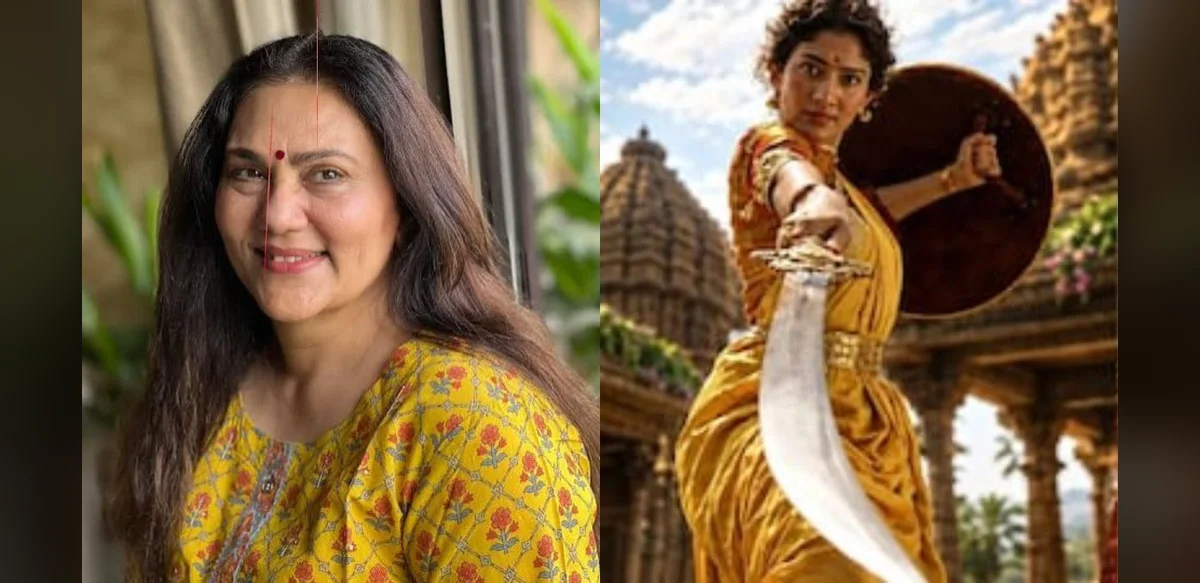
The announcement of an upcoming film adaptation of the ancient Indian epic Ramayana has sparked considerable discussion among audiences and former cast members of earlier versions. One notable reaction comes from Dipika Chikhlia, who portrayed Sita in a well-known television series from the 1980s. She commented on a reported action sequence featuring Sai Pallavi as Sita engaging in combat with demons.
Chikhlia stated that she does not recall similar scenes appearing in the traditional narratives she is familiar with. Her remarks highlight differences in interpretation that can arise when classic stories are adapted for contemporary cinema. The film, directed with Ranbir Kapoor in a lead role, aims to bring the epic to a new generation while incorporating visual effects and action elements.
The Ramayana has been retold across various media over centuries, including books, stage performances, and multiple screen versions. Each adaptation often emphasizes different aspects of the story, such as devotion, duty, or battle sequences. Chikhlia’s observation draws attention to how modern productions may introduce new dramatic moments not present in earlier tellings.
Industry observers note that casting choices for such projects frequently invite public commentary. Sai Pallavi’s selection for the role of Sita has been met with both support and questions regarding the character’s portrayal. Chikhlia’s response adds to this conversation by referencing her own experience with the character in a previous format.
The production team has not issued an official statement regarding the specific scene in question. Filmmakers working on epic adaptations often balance respect for source material with creative decisions to enhance visual storytelling. This approach can lead to variations that resonate differently with viewers accustomed to older versions.
Public interest in the project remains high due to the cultural significance of the Ramayana. Discussions around character depictions, action sequences, and fidelity to traditional accounts continue online and in media circles. Chikhlia’s comments contribute a perspective from someone who has previously embodied the role.
Adaptations of ancient texts into film require careful consideration of narrative structure and audience expectations. Scenes involving conflict or supernatural elements are sometimes expanded to suit the medium’s demands. Chikhlia’s recollection underscores how personal familiarity with one version can shape reactions to another.
The broader conversation reflects ongoing engagement with the epic’s themes of righteousness and resilience. As the film progresses toward release, further reactions from actors, scholars, and audiences are anticipated. Chikhlia’s input serves as a reminder of the multiple layers through which the story has been experienced over time.
Neutral reporting on such topics focuses on stated opinions without speculation about creative intentions. The core fact remains that Chikhlia expressed surprise at the described scene based on her understanding of familiar versions. This exchange illustrates the dynamic nature of cultural storytelling in evolving formats.
Viewers and readers are encouraged to explore various retellings to appreciate the range of interpretations available. The upcoming film represents one addition to a long tradition of Ramayana presentations across generations.

